
Vandaag of morgen in huis

Kwaliteit gegarandeerd

Welkomstaanbiedingen ontgrendelen: GRATIS bezorging | Tot 80% korting | Gratis 30 dagen JoyPlus-proefperiode
Download de app
Dry hair, frizzy lengths, a sensitive scalp or a style that falls flat after an hour: the right product can make a difference, but the promises on the packaging don’t always tell the whole story. With haircare, you may end up paying mainly for a trendy ingredient, high wattage or a claim that doesn’t match how you’ll use the product.
Watch out for these three common pitfalls:
Start by asking yourself what you want to achieve:
Also check the ingredients list. Fragrance, alcohol or certain preservatives may not suit everyone. If you’re prone to reactions, try a small amount first and read the product information carefully.
For a hair dryer, airstyler, curling tong or hot air brush, the settings matter more than a flashy marketing term.
Look for:
Don’t use heated appliances near water. Keep the air inlet and outlet clear, and let the appliance cool down before putting it away. A heat protectant can be useful, but it doesn’t make unlimited high temperatures risk-free.
A small bottle is handy for travel, but less economical for everyday use. A large can of hairspray may seem like good value, but only if you use it regularly. Compare the amount, how much you need per use and how often you’ll use it.
With styling tools, the accessories determine how versatile they are. A diffuser is useful for curly hair, a concentrator for targeted drying and a round brush for adding volume. Also check whether the appliance is designed for dry, towel-dried or damp hair. According to its product information, the Wavytalk Thermal Brush is not a hot air brush and must not be used on wet hair.

Why it suits this profile: The small size is ideal for trying an anti-dandruff shampoo for the first time or taking it on holiday.
You don’t have to pay for a large supply before you know how your scalp responds to the formula.
95 ml; piroctone olamine according to the ingredients list; described as suitable for daily use.
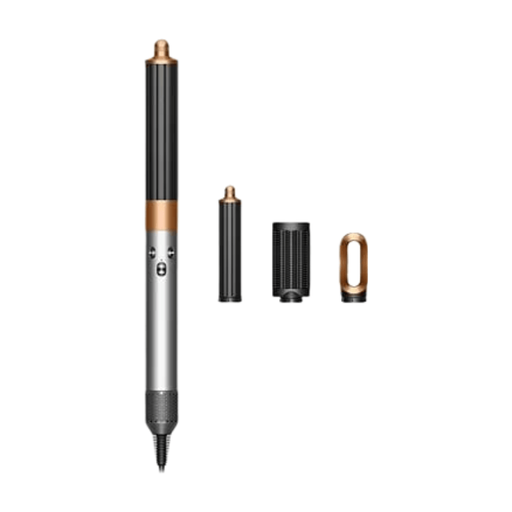
Why it suits this profile: This is designed for people who want to combine drying and several types of hair styling with one appliance.
The choice is based on specific settings and accessories, not just a claim about salon results.
1,300 W, three speeds, three heat settings plus cool air; supplied with a styling brush, drying attachment and 40 mm curling attachment according to the product specifications.
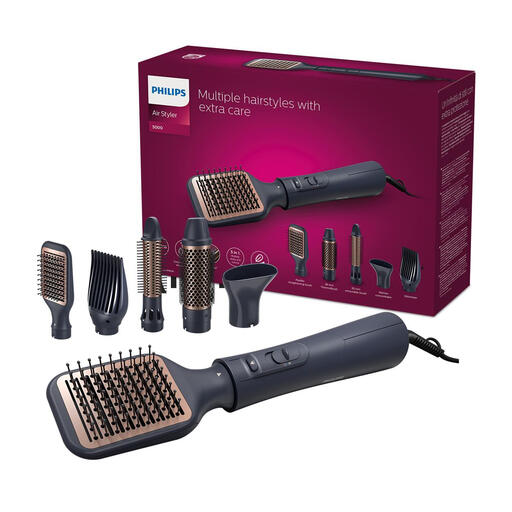
Why it suits this profile: Handy if you regularly want to smooth your hair, add volume or create waves without using several separate appliances.
The five attachments show you which styling options are available; just check which attachment you’re actually going to use.
1,000 W, five attachments, three heat settings and a cool air setting; the product specifications also list a 2-metre cord.
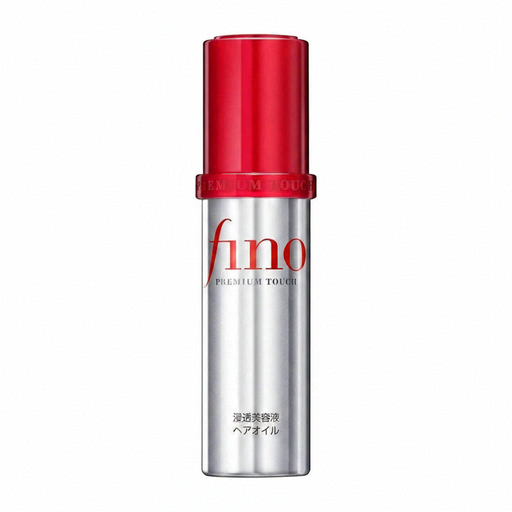
Why it suits this profile: This oil is designed for the lengths and ends of dry, frizzy or coloured hair, and can be used on dry or towel-dried hair.
The recommended amount is limited to one or two pumps, helping you avoid using too much and weighing down fine hair.
70 ml; argan oil, jojoba oil and vitamin E are listed in the product information; described as suitable for daily use.
We’ve put together a complete, up-to-date list of products that meet these strict selection criteria and the applicable European safety requirements.
It depends on the formula and the condition of your hair. A rich mask for dry or damaged hair is often used once or twice a week. Always follow the instructions on the packaging. A hair mask doesn’t automatically replace your shampoo or conditioner.
Start by applying a small amount of hair oil to the lengths and ends, not directly to your scalp. Use it on towel-dried hair and choose a moderate heat setting when blow-drying. Too much oil, wax or serum can make fine hair look limp.
Its lifespan depends on how you use, store and maintain it. Clean the filter according to the instructions, keep the air inlet clear and only put the appliance away once it has cooled completely. When buying, also check the warranty, whether replacement accessories are available and whether clear instructions are provided.
