
Vandaag of morgen in huis

Kwaliteit gegarandeerd

Welkomstaanbiedingen ontgrendelen: GRATIS bezorging | Tot 80% korting | Gratis 30 dagen JoyPlus-proefperiode
Download de app
Dry hair, an oily scalp, frizzy lengths or fine hair that quickly falls flat – the right haircare depends on your daily routine and your hair’s specific characteristics. A flashy bottle or a promise on the front doesn’t always tell you enough. If you only look out for terms like “repair”, “volume” or “strong hold”, you could end up with a product that’s too heavy, irritates your scalp, or simply sits unused in your bathroom.
In this buying guide from the Joybuy Product Recommendation Officer, you’ll discover what to look for in shampoo, conditioner, hair mask, hair oil, hairspray and hair mousse. The selection below is based on verifiable information such as content, ingredients, usage advice and the hair concern each product is designed for.
A 440 ml bottle or a multi-pack with six products might look appealing, but first check whether the product suits your hair. A big stash of conditioner for damaged hair is impractical if you have fine hair that quickly feels heavy. With value packs, the total volume matters too: compare the price per 100 ml rather than just the selling price.
Terms like “restores”, “strengthens” and “against hair loss” can mean different things. According to Syoss’s own information, the Repair line could reduce hair breakage by up to 90% when shampoo and conditioner are used together. That’s a brand claim, not a guarantee for every user. Likewise, a shampoo marketed as a product for hair loss doesn’t replace medical advice.
So pay particular attention to the product type, ingredients list, usage advice and suitability for your hair type.
A hairspray or hair mousse is designed for styling, not for treating dryness or damage long-term. A strong hold can be handy for a party or a long working day, but it also needs to be washed out carefully. Aerosols are also flammable. Always read the label and keep them away from heat, sparks and naked flames.
Shampoo mainly goes on your scalp. If you have an oily scalp, a cleansing formula can be more practical, while dry or damaged hair often benefits from a conditioner or mask on the lengths and ends. The Roy Hair Strength Expert Care Shampoo for an oily scalp is described as containing ginseng extract and a formula aimed at excess sebum. If you have sensitive skin, always check the full ingredients list.
For haircare for dry hair, oils, glycerine and conditioners are often relevant ingredients to compare. For fine hair, a lightweight formula matters more than an extremely rich texture.
Fragrance, alcohol, sulphates, silicones and preservatives aren’t a problem for everyone, but they can influence your choice. The Syoss Intense Plex Shampoo 440 ml contains, among other things, sodium laureth sulfate, cocamidopropyl betaine and hydrolysed keratin. The product information states that this shampoo is suitable for all hair types.
If you have an allergy, always check the current packaging. Stop using it if irritation occurs. With products for the scalp, such as a conditioner containing salicylic acid, extra caution is needed. The product information for the Some By Mi Cica Peptide Derma Scalp Conditioner advises, among other things, to avoid contact with the eyes and not to use the product if irritation occurs.
You usually use a hair mask less often than shampoo. As a result, a 230 ml pot can last longer than you might expect based on its size. The Shiseido Fino Premium Touch Hair Mask is recommended for use once or twice a week instead of conditioner.
For on the go, mini travel-size haircare products are practical. The Proset Mega Strong Hair Spray and Proset Ultra Strong Hair Mousse are both available in a 50 ml size. For the hairspray, it states that you should spray from around 20 to 30 cm away. According to the safety information, the can must not be exposed to temperatures above 50 °C.
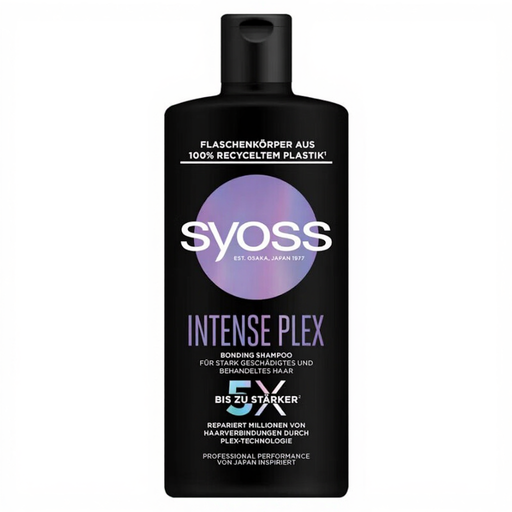
Why this fits: A generous bottle for anyone looking for a straightforward shampoo for regular use. The product information lists all hair types as the target audience.
The volume and product type are clearly stated, so you don’t have to rely solely on a general care claim.
440 ml volume; regular shampoo; ingredients list available.
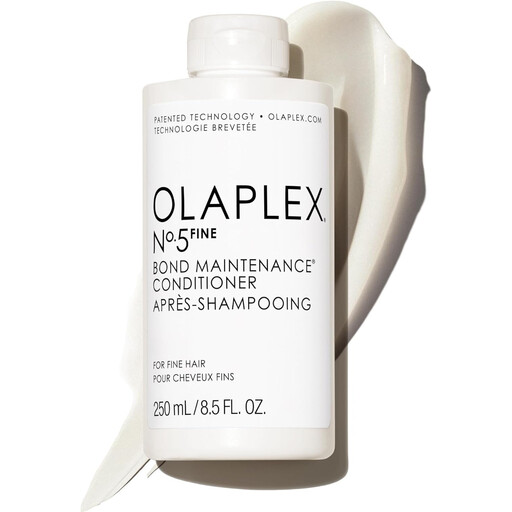
Why this fits: Designed for fine hair and intended for use from mid-lengths to ends, with a leave-in time of one to three minutes.
Applying it to the lengths helps avoid a heavy amount of product near the scalp.
Available in 100, 250 and 1000 ml; according to the brand description, suitable for coloured and chemically treated hair.
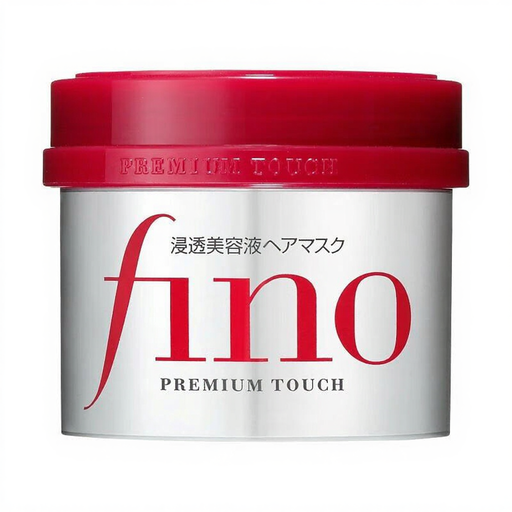
Why this fits: A hair mask for anyone who wants to add extra care to their routine once or twice a week.
The usage schedule makes it clear that this is a supplement, not a product you need to use every time you wash.
230 ml volume; designed for dry, frizzy and damaged hair; 12 months shelf life after opening according to the product data.
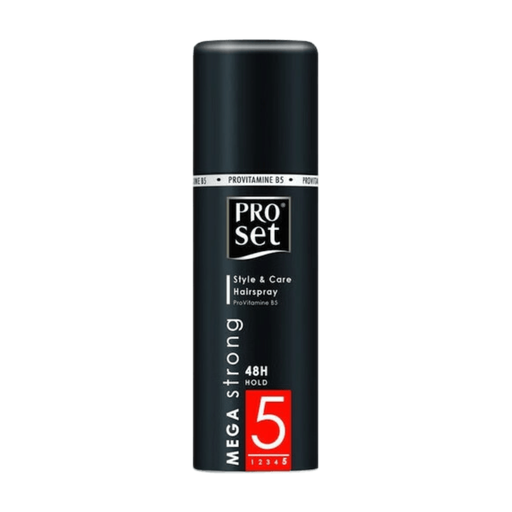
Why this fits: The compact size fits in a wash bag and is suitable for setting dry or styled hair.
The 50 ml volume means you don’t have to buy a large aerosol straight away for occasional styling.
Mini travel size; spray distance of around 20–30 cm; clear warning for flammable aerosol.
Browse a current selection of products based on volume, hair concern, intended use and product type.
That depends on your scalp, activity level and product use. If you have an oily scalp, washing more often can feel good; dry hair sometimes benefits from less frequent washing and extra conditioner on the lengths. Always follow the label and stop if irritation occurs.
A hair mask is usually a more intensive supplement and is often used less frequently. Conditioner is more practical for daily or regular detangling. The choice depends on the dryness, thickness and porosity of your hair.
No. A product description might offer a shampoo for hair loss or stronger-looking hair, but this is no guarantee of a personal result. If you experience sudden or noticeable hair loss, itching or an irritated scalp, it’s wise to consult a doctor or other healthcare professional.
