
Vandaag of morgen in huis

Kwaliteit gegarandeerd

Welkomstaanbiedingen ontgrendelen: GRATIS bezorging | Tot 80% korting | Gratis 30 dagen JoyPlus-proefperiode
Download de app
Dry, coloured or chemically treated hair does not automatically require the most expensive product. The right hair treatment for damaged hair depends mainly on the condition of your hair, your routine and the type of care you are looking for. A hair mask works differently from a bond repair treatment or a leave-in hair treatment.
As a Joybuy Product Recommendation Officer, I filter product information based on practical features. So do not focus only on phrases such as “intensive repair” or “professional hair care”. Look at how the product is used, its ingredients, volume and recommended frequency of use.
Silicones, oils and conditioning ingredients can make hair feel smoother temporarily. This is useful for easier combing, but it does not automatically mean that damaged hair fibres have been structurally repaired. Check whether the product is intended as a conditioner, mask, bond builder or leave-in.
A keratin hair treatment or protein conditioner may be suitable for limp, fragile hair. However, frequent use can leave hair feeling stiff. Alternate strengthening treatments with hydrating care and assess the result after a few washes.
A product can make split ends look smoother temporarily, but cosmetic care cannot permanently bind a split end back together. Have the ends trimmed if necessary, and mainly use a treatment to help limit further breakage and dryness.
A pre-shampoo treatment is used before washing, while a mask or conditioner is usually applied to damp hair after washing. A leave-in hair treatment stays in the hair and is useful when you want to detangle your hair or protect it from friction.
Also check whether the product can be applied to the scalp. For example, Olaplex No. 0 states that it should be used on dry hair, mainly on the lengths and ends, rather than on the scalp. Always follow the packaging instructions, especially with concentrated formulas.
According to brands’ own research, certain technologies may support hair bonds, keratin or hair fibres. Present such statements as brand claims, not guaranteed results. User experiences vary depending on hair type and level of damage.
A 30 ml bottle may contain a concentrated booster, while a 300 ml tub may be intended for regular use. So do not compare the price alone. Consider the volume and the recommended amount per treatment as well.
Do you have sensitive skin? Check the full ingredients list. Fragrances, alcohol or certain preservatives may be less suitable for some users. Avoid contact with the eyes and stop using the product if irritation occurs. If in doubt, you can carry out a small skin test beforehand, following the instructions on the packaging.
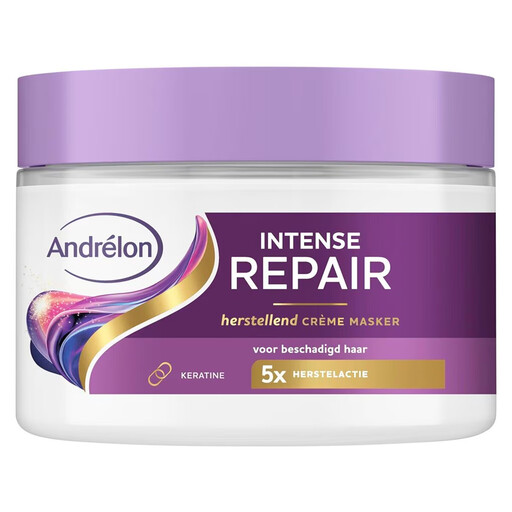
Why it suits this profile: A rinse-out hair mask with a 300 ml volume is a straightforward option for anyone looking for a simple treatment for dry and damaged hair. According to the product information, the recommended processing time is around 4 to 5 minutes.
The clear instructions to use it after washing and the short processing time make it less likely that you will leave the product on for too long or use it too often.
A formula containing keratin, 300 ml of product and a rinse-out application for the lengths and ends.

Why it suits this profile: This pre-shampoo bond builder is intended for adults with damaged or chemically treated hair who want to follow a consistent weekly routine.
This is not an ordinary conditioner: the pre-shampoo application and prescribed processing time are clearly explained.
A 100 ml cream formula designed as a bond builder, with a recommended use of once a week or more often for severely damaged hair.
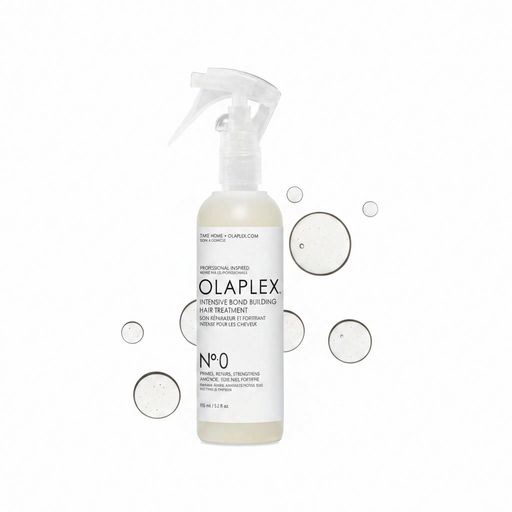
Why it suits this profile: The two-step routine is suitable for users who are willing to spend extra time on hair repair and want to combine No. 0 with No. 3.
The instructions clearly state the order of use, processing time and advice not to apply the product to the scalp.
155 ml of product, a lightweight applicator and a design intended for the first step of a two-part bond-building routine.
We have put together a complete, up-to-date list of products that fully meet these strict selection criteria and the applicable European safety regulations.
A product such as OGX Conditioner Bond Protein Repair is intended to be used as a conditioner after washing. According to the product information, Cosrx Peptide-132 Ultra Perfect Hair Bonding Treatment is applied to the lengths and ends after shampooing and then rinsed out. These different application times show why the product type is more important than simply the claim “repair”.
That depends on the formula and the condition of your hair. Start by using it once a week. If your hair feels heavy, stiff or greasy, use the mask less often or alternate it with a lightweight conditioner. Always follow the label instructions.
A bond repair treatment can make hair feel smoother and stronger, but split ends cannot be permanently repaired. Trimming is still necessary when the end is genuinely split. Afterwards, use suitable hair care to help prevent breakage and limit new damage caused by friction and heat.
Choose a combination of hydration and strengthening care. A conditioner or mask will care for dry lengths, while a bond builder or protein treatment may be suitable for fragile hair. Do not use several intensive treatments at the same time; this makes it easier to see which product works best for your hair.
