
Vandaag of morgen in huis

Kwaliteit gegarandeerd

Welkomstaanbiedingen ontgrendelen: GRATIS bezorging | Tot 80% korting | Gratis 30 dagen JoyPlus-proefperiode
Download de app
Dry hair, frizzy lengths or curls that are losing their shape: a hair serum can help your hair feel smoother, softer and easier to manage. However, not all serums are the same. Leave-in hair serums, hair oils and anti-frizz serums differ in texture, application and purpose.
The product name does not always tell the whole story either. Pay particular attention to the ingredients list, directions for use and suitability for your hair type.
Silicones and oils can make the surface of the hair feel smoother and add more shine. That does not automatically mean that damaged hair has been structurally repaired. Claims about repairing, strengthening or protecting are brand product claims and should be assessed alongside the ingredients and directions for use.
A serum for damaged hair may therefore be particularly suitable as a conditioning and smoothing layer. Do not expect permanent repair of split ends.
A serum for dry hair is not necessarily suitable for the roots. Fine or straight hair, in particular, can quickly look weighed down or greasy when you use too much oil. Start with one drop, one pump or a small amount from a capsule. Only add more if the lengths and ends need it.
Some products are marketed as hair serums with heat protection, but the level of protection varies. Check whether the packaging specifies a temperature or provides clear directions for use. According to the brand's product information, the Peptide 132 Hair Bonding Oil Serum is not a substitute for a dedicated heat-protection product at high temperatures, for example. If you use a hairdryer or styling tools intensively, consider using a separate heat protectant.
The right texture depends on your hair.
Also compare the number of millilitres with the number of applications. A pack containing 25 twist-off softgels works differently from a 70 or 100 ml bottle. Capsules are hygienic and easy to dose per use, but offer less flexibility when you only need half a drop.
Check the full ingredients list on the product page or packaging. Many hair serums contain silicones such as dimethicone or dimethiconol. These can make the hair feel smoother, but may not suit every personal haircare routine.
Plant oils such as argan oil, jojoba oil, macadamia oil or camellia oil are often used for nourishment and shine. The presence of an oil alone does not indicate how much of an effect you will experience. Also look out for perfume and fragrance allergens such as limonene, linalool or citronellol. If you have a known allergy, always check the current packaging.
Pay particular attention to warnings. Some Lucovitaal products in capsule form contain vitamin A and are intended for external use only. Do not swallow them and keep them out of the reach of children.
Most hair serums should be applied to the lengths and ends, not the scalp. First spread the product between your palms, then smooth it through towel-dried or dry hair.
A leave-in hair serum does not need to be rinsed out. You can use a hair oil before blow-drying, after styling or as a finishing touch. Always follow the instructions for the specific product.
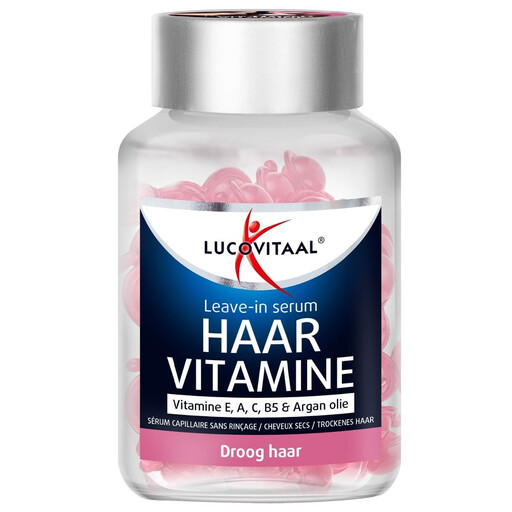
Why it suits this profile: The twist-off capsules make it easy to measure out the right amount if you are using a hair serum for the first time. The product information says it can be used on dry or towel-dried hair without rinsing.
The capsule format helps prevent over-application. Apply the contents only to the lengths and ends; the product is not intended to be swallowed.
Leave-in formula, 25 softgels and an ingredients list featuring argan oil, jojoba oil, panthenol and vitamin E, according to the product information.
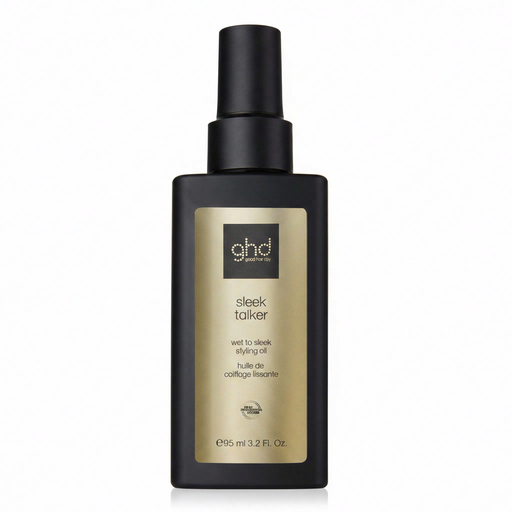
Why it suits this profile: This styling oil is designed to smooth and detangle hair, and to be used alongside heat. That makes it a good choice for anyone who regularly blow-dries or styles straight hair.
The directions distinguish between use on towel-dried and dry hair. This allows you to adjust the amount: 2–3 pumps for damp hair and 1–2 for dry hair.
95 ml content, argan oil in the formula and an explicitly stated thermal protective layer, according to the product description.
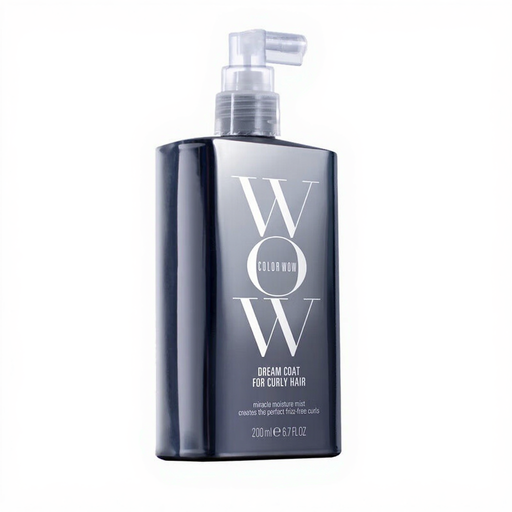
Why it suits this profile: This product is intended for curly hair and is applied as a spray to damp hair. According to the product information, the formula is heat-activated to achieve the stated result.
The instructions call for generous, even application, followed by combing through and, if desired, blow-drying with a diffuser. This is clearer than a general anti-frizz claim without any usage context.
200 ml content, spray format and designed to define curls and combat humidity, according to the product description.
We have put together a complete, up-to-date list of products that fully meet these strict selection criteria and the applicable European safety regulations.
For curls, you can distribute the serum using scrunching motions. Avoid brushing vigorously when the hair is dry if you want to minimise frizz. Stop using the product if irritation occurs and avoid contact with the eyes.
That depends on the formula and your hair type. A lightweight leave-in formula can be used daily in accordance with the product instructions. With a rich hair oil, using it less often or applying a smaller amount is often more practical. Build up gradually and pay attention to how your hair feels.
Hair serum is generally designed to smooth, add shine, combat frizz and aid styling. Hair oil often contains a higher proportion of oils and is used to nourish, soften and care for dry ends. However, the terms overlap. So check the product type, texture and ingredients rather than relying on the name alone.
Check the expiry date and the period-after-opening symbol on the packaging. Some products may display 6M or 12M, for example, indicating how long the product is intended to be used after opening. Keep the serum closed, dry and out of direct sunlight, as instructed in the product information.
