
Vandaag of morgen in huis

Kwaliteit gegarandeerd

Welkomstaanbiedingen ontgrendelen: GRATIS bezorging | Tot 80% korting | Gratis 30 dagen JoyPlus-proefperiode
Download de app
Dry hair, frizzy lengths and dull ends do not all need the same product. Yet almost every hair serum appears suitable for hydration, shine and repair at first glance. That makes comparing them difficult. An oil may mainly create a smoothing layer, while a leave-in serum is designed to make hair feel more conditioned and easier to comb. A scalp serum, meanwhile, belongs on the scalp and not automatically on the ends of your hair.
As a Joybuy Product Recommendation Officer, I focus primarily on verifiable information: how the product is used, its ingredients, size, instructions and suitability for your hair type. This helps you avoid paying for a product that does not fit your routine.
Words such as “repair”, “bond repair” or “against hair loss” sound convincing, but they do not all mean the same thing. A cosmetic hair serum can make hair feel smoother, add shine or visibly reduce frizz. It does not automatically change the structure of damaged hair.
So first establish whether you are looking for:
A brand’s performance claims are not established facts. A brand may report certain results based on its own research, but the outcome can vary depending on the condition of your hair, how frequently you use the product and your styling routine.
Hair serum is usually concentrated. One or a few drops, a capsule or a single pump may be enough for the lengths and ends. Too much oil or silicone can make fine hair look limp or greasy. Therefore, do not usually apply the product to the roots unless the instructions specifically state that it is intended for the scalp.
An oil can make hair feel smooth and a serum can add shine. This does not automatically mean that the product provides sufficient protection against a hairdryer, straighteners or curling tongs. If you use heat regularly, it is better to look for a product that clearly states it offers heat protection, such as a dedicated spray.
A lightweight formula is often more practical for fine or limp hair. A spray, lotion or thin serum spreads easily without adding much weight. Thick, curly or very dry hair may benefit more from a hair oil or richer leave-in conditioner.
Pay attention to the instructions:
A hydrating hair serum may contain glycerine, panthenol or various oils, for example. Argan oil, jojoba oil, macadamia oil and coconut oil are often used in hair oils to add shine and condition the hair. Silicones such as dimethicone can help hair feel smoother and reduce friction. This does not automatically make a formula good or bad; it depends on your preferences and hair type.
Also check fragrances and allergens on the label. For example, Lucovitaal Hair Vitamin for Colored Hair states that the product contains milk and soya. If you have sensitive skin, a patch test is advisable, and you should always follow the safety information on the packaging.
Do not compare bottle prices alone. A 30 ml product used in small amounts each time may work out differently from a 100 ml bottle. Capsules or twist-off softgels can help reduce waste, but offer less flexibility when it comes to dosage.
Also check the period after opening, often shown by an open jar symbol and a number of months. Products with a short period after opening are less suitable for people who only use serum occasionally.
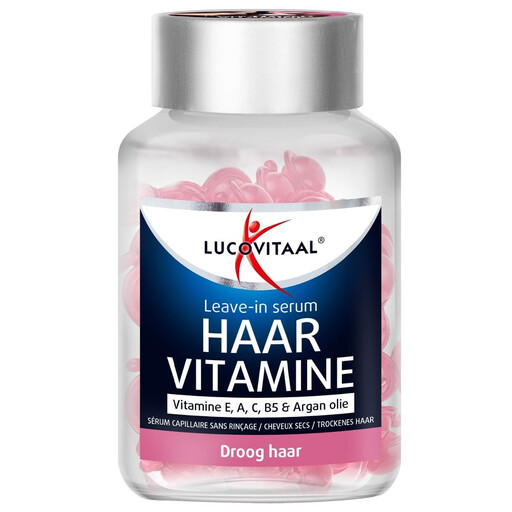
Why it suits this profile: The twist-off capsules are easy to dose for each use, and the leave-in formula does not need to be rinsed out. The product information lists dry, damaged, coloured and frizzy hair as suitable uses.
The instructions specify applying it to the lengths and ends. This reduces the risk of applying a conditioning product too close to the roots.
25 capsules, leave-in application and a formula containing macadamia, camellia, argan and jojoba oils, among other ingredients.
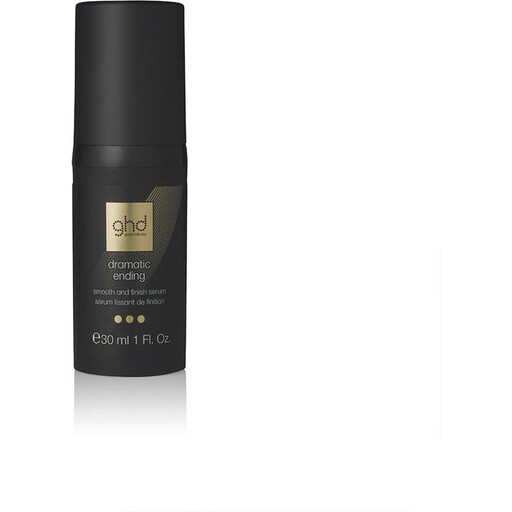
Why it suits this profile: This lightweight serum is designed to smooth the hair, add shine and create a polished finish. It is suitable for various hair types, including fine, thick, curly and dry hair.
The instructions are clear: apply a small amount to dry hair, mainly through the lengths and ends, and avoid the roots.
30 ml, paraben-free and sulphate-free according to the product information; designed for a smooth, shiny finish.
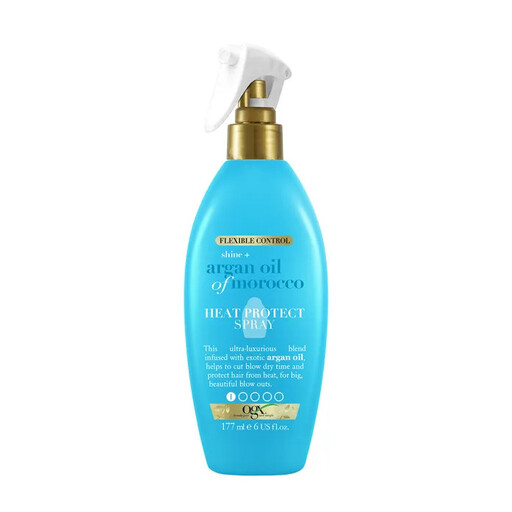
Why it suits this profile: If you regularly blow-dry, straighten or curl your hair, a spray applied before styling is more useful than a hair oil intended solely to add shine.
The product description explicitly mentions use before heat styling. However, always check the current packaging and instructions before buying.
177 ml spray, with argan oil from Morocco according to the product description; suitable for use on damp or dry hair.
We have put together a complete, up-to-date list of products that fully meet these strict selection criteria and the applicable European safety regulations.
Start with a small amount and distribute the product through the lengths and ends. Use a leave-in serum on towel-dried or dry hair, following the label. Avoid the roots when the product is intended as a hair oil or finishing serum. A scalp serum should instead be applied directly to the scalp.
This varies from one formula to another. Check the shelf life of the unopened product and the symbol showing the period after opening. Some products state 6M or 12M, for example. Close the packaging properly and store hair serum in a cool, dry place away from direct sunlight, as stated on the label.
It can be, but check the intended users and instructions. A product such as Lucovitaal Hair Vitamin for Colored Hair is specifically described as a leave-in serum for coloured hair. A standard anti-frizz serum may mainly provide smoothness and shine without being specifically designed for colour care.
