
Vandaag of morgen in huis

Kwaliteit gegarandeerd

Welkomstaanbiedingen ontgrendelen: GRATIS bezorging | Tot 80% korting | Gratis 30 dagen JoyPlus-proefperiode
Download de app
Dry, frizzy or damaged hair does not automatically need the same hair serum. An oil-based product can work well on thick curls, but may be too heavy for fine hair. A lightweight serum can help reduce frizz, but does not necessarily provide enough care for chemically treated hair.
Marketing terms can also be confusing. So focus mainly on the formula, how it is used and whether it suits your hair structure.
Silicones, oils and film-forming ingredients can make the hair surface look smoother. This makes the hair feel softer and appear shinier. That is particularly useful if you are looking for an anti-frizz serum or a hair serum for shine and hydration.
This cosmetic effect does not automatically mean that damaged hair fibres have been structurally repaired. If you want to reduce breakage caused by bleaching, colouring or heat, look for a treatment explicitly positioned as bond-building or strengthening.
More serum does not always mean more conditioning. Fine, straight hair in particular can quickly look weighed down or greasy when the product is applied at the roots. Most leave-in formulas are intended for the mid-lengths and ends.
Start with a small amount, spread the product over your palms first and only add more if necessary.
A heavily fragranced formula is not pleasant for everyone. If you have a sensitive scalp or hair that reacts easily, check the ingredients list and usage warnings. Some products contain fragrance substances such as limonene, linalool or citronellol.
Also pay attention to the difference between external use and ingestion. Twist-off softgels are designed to be opened and applied to the hair; they are not food supplements.
A leave-in hair serum remains in the hair. This is practical for daily use, styling and a smoother appearance. For example, a serum for dry and damaged hair can be applied to towel-dried hair after washing.
An oil serum often contains several plant oils, such as argan, jojoba, macadamia or coconut oil. This can suit thick, dry or curly hair, but use it sparingly on fine hair.
A bond repair hair serum or intensive bond treatment has a different purpose. Some treatments need to be applied before or after washing and then rinsed out. So always check the usage instructions.
Do not compare only the price of a pack; also consider the amount and dispensing system. A 30 ml bottle, a 90 ml tube and 25 capsules are not directly comparable.
With capsules, use part of or the contents of one capsule per application. Keep the product closed, cool and out of the reach of children. Follow the after-opening shelf life stated on the packaging. If you are unsure about allergens or irritation, stop using the product and consult the product information.

Why it suits this profile: The twist-off capsules make it easy to measure the right amount. According to the product description, the formula contains several plant oils and a vitamin complex for dry and frizzy hair.
The usage instructions are clear: open a capsule, spread the desired amount over your palms and apply it to the mid-lengths and ends. It is a leave-in formula that does not need rinsing.
25 capsules, suitable for use on dry or towel-dried hair, with a formula containing macadamia, jojoba and argan oil, among other ingredients.
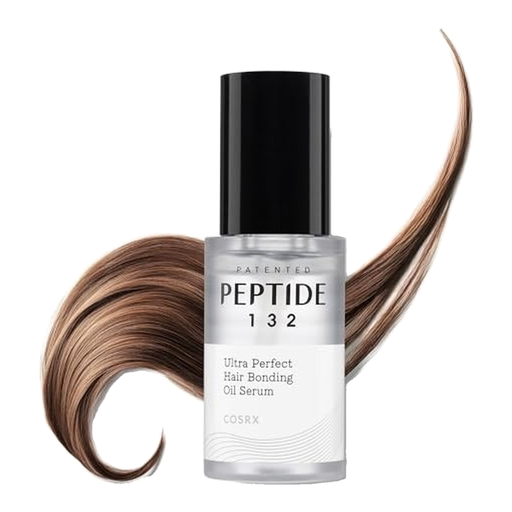
Why it suits this profile: According to the product description, this oil serum combines PEPTIDE-132 with seven plant oils and silicones. It is a good choice for anyone looking to combine smoothness, shine and conditioning.
The recommended amount is 1 to 3 pumps, depending on hair length and porosity. This allows you to adjust how much you use and helps prevent a weighed-down finish.
28 ml, leave-in use, suitable for damp or dry hair, and a combination of peptide, oils and protective silicones.

Why it suits this profile: This is not a daily hair serum, but a rinse-out pre-shampoo bond builder for damaged hair. According to Olaplex’s own information, it is designed for hair that has become vulnerable as a result of chemical treatments or styling.
The instructions make it clear that you use the product before shampooing, leave it on for at least 10 minutes and then rinse it out. So do not expect a leave-in styling effect.
100 ml, use up to several times a week according to the product information, with a formula containing Bis-Aminopropyl Diglycol Dimaleate.

Why it suits this profile: The product information focuses on curly, wavy and frizzy hair. The formula contains macadamia, camellia, coconut, argan and jojoba oil, among other ingredients.
You can apply it to towel-dried hair for styling or to dry hair as a finishing touch. This makes how to use it clearer than with a product that only makes a general shine claim.
25 twist-off softgels, leave-in use and an oil complex that, according to the product description, helps reduce frizz and makes curls easier to manage.
If you are mainly looking for hair oil to combat frizz, choose an oil-based serum. For fragile or chemically treated hair, a separate bond treatment may make more sense than a daily anti-frizz serum. For long hair, a formula designed for the mid-lengths and ends is also important.
We have put together a complete, up-to-date list of products that fully meet these strict selection criteria and the applicable European safety regulations.
That depends on the formula and the amount used. A lightweight leave-in formula can be used daily according to the label. With an oil serum, a small amount is often enough. Do not routinely apply the product at the roots.
A serum can smooth the hair surface and help reduce friction when brushing or combing. This does not mean that hair breakage will be completely prevented. According to some brands’ own information, bond-building products are designed for damaged hair; always check the specific instructions and product claims.
Check the expiry date and the open-jar symbol indicating the period after opening on the packaging. Many cosmetic products state, for example, 6M or 12M after opening, but this varies from product to product. Keep the serum closed, dry and out of direct sunlight.
