
Vandaag of morgen in huis

Kwaliteit gegarandeerd

Welkomstaanbiedingen ontgrendelen: GRATIS bezorging | Tot 80% korting | Gratis 30 dagen JoyPlus-proefperiode
Download de app
Dry, brittle or coloured hair does not automatically call for the most expensive product. When choosing a hair repair treatment for damaged hair, many shoppers focus mainly on words such as “repair”, “keratin” or “bond building”. However, these terms do not always explain how to use the product, which hair type it is intended for or what results you can reasonably expect.
Use this practical guide to avoid a disappointing purchase and put together a hair treatment for damaged hair that fits your routine.
Brands may publish their own research results, but these are not automatically a general guarantee for every user. For example, according to the brand’s own research, Olaplex states that No.0 provides “68% more repair” and “3x stronger hair”. Treat this as information from the manufacturer, not as a guaranteed result.
Also pay attention to the instructions for use. A bond repair treatment does not work in the same way as a conditioner. Some products are pre-shampoo treatments, while others are designed to be left in.
A hair mask can temporarily make split ends feel smoother and improve manageability. However, it cannot permanently restore a split end to its original condition. Regular trims remain the practical solution for visibly split ends.
A keratin hair treatment, an intensive mask and a leave-in hair treatment may be too heavy for fine hair when used together. Your hair may end up feeling limp, greasy or stiff. Start with one repair product and only add a second step if your hair needs it.
Many repair products should be applied to the lengths and ends, not the scalp. Olaplex No.0, for example, states that it should be applied to dry hair and not the scalp. According to the product instructions, No.0 is then left in before No.3 is used.
A conditioner or hair mask is usually applied to wet hair, from the middle of the lengths down to the ends. A leave-in product remains in the hair, so only a small amount is needed. Always check the current packaging, as ingredients and usage advice may change.
A large pack is not automatically better value if you only use the product occasionally. Compare the volume in millilitres or grams and check the recommended frequency of use.
Also look out for ingredients you wish to avoid, such as fragrance, alcohol or certain oils. If you have sensitive skin, carry out a small skin test first, following the instructions. Stop using the product if irritation occurs. Claims such as vegan, fragrance-free or sulphate-free should be checked on the packaging and product page.
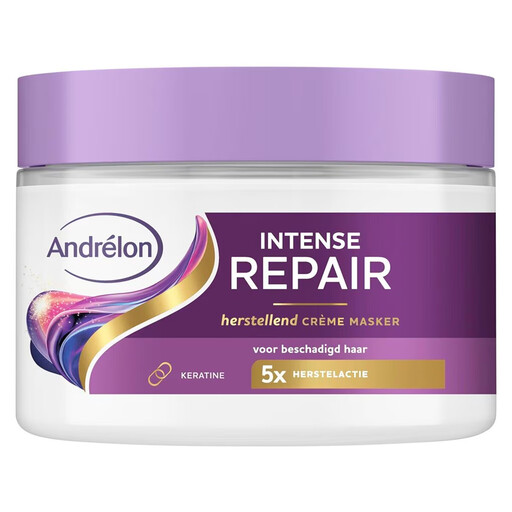
Why it suits this profile: A simple rinse-out mask for anyone who wants to give dry or damaged lengths extra care without investing in a complete routine straight away.
The processing time is clear: leave it on for 4 to 5 minutes after washing, then rinse. This makes it easy to measure into a weekly routine.
300 ml capacity, a keratin-containing formula and application along the full length of the hair. According to the product description, the tub is made from recycled plastic, excluding the lid and label.

Why it suits this profile: Suitable for adults with visibly weakened hair due to chemical treatments or frequent heat styling, who are looking for a targeted pre-shampoo step.
This is not an ordinary conditioner: the instructions specify applying it to damp hair before washing, with a minimum processing time of 10 minutes. This clearly defines the product’s purpose.
100 ml, a cream formula and, according to the product information, free from parabens, sulphates and phthalates. The brand positions it as a bond builder for all hair types.
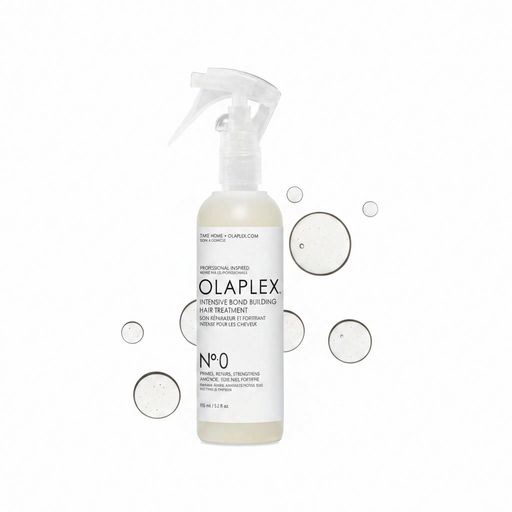
Why it suits this profile: For anyone who wants to follow multiple steps and is looking for a more intensive bond repair treatment as part of a professional at-home haircare routine.
The product description makes it clear that No.0 is the first step and is intended for use with No.3, which is sold separately. This allows you to estimate the complete routine and total cost in advance.
155 ml, a targeted application nozzle and, according to the product information, vegan, sulphate-free and paraben-free. The instructions recommend using it once a week, or more often for severely damaged hair.
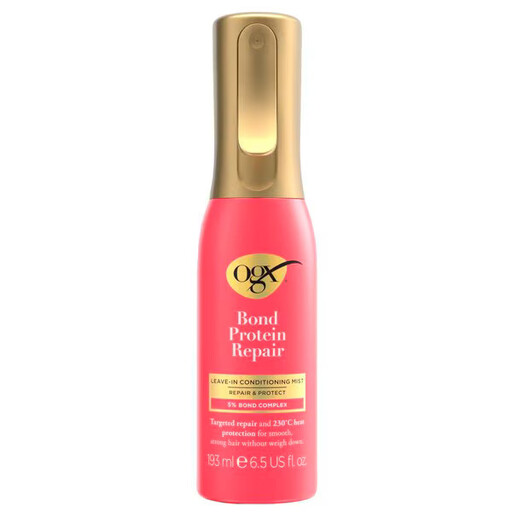
Why it suits this profile: Ideal for anyone who wants to use a lightweight conditioning step after washing to help with tangles and a rough feel, without rinsing out a mask.
The spray format allows you to apply small amounts. This helps prevent fine or thin hair from becoming overloaded with product. If it comes into contact with the eyes, rinse immediately with water, as stated in the warning.
193 ml leave-in formula containing, among other ingredients, panthenol, glycerine, wheat protein and amodimethicone, according to the ingredients list.
We have put together a complete, up-to-date list of products that fully meet these strict selection criteria and the applicable European safety regulations.
If you have a persistently sensitive scalp, sudden hair loss or noticeable changes in hair density, it is advisable to consult a GP or another healthcare professional. Cosmetic hair products are not intended to treat medical causes.
That depends on the product. An intensive mask is often used once a week, while a conditioner may be suitable for every wash. Follow the packaging instructions and, if you have fine hair, start with a lower frequency.
A mask can temporarily make split ends feel smoother and improve manageability. It cannot permanently remove or repair a split end. Trimming is the appropriate solution.
A keratin hair treatment generally focuses on conditioning, smoothness and how the hair feels. According to their product descriptions, bond repair products focus on connections within the hair fibre. Always check the ingredients, instructions for use and claims made by the specific brand.
