
Vandaag of morgen in huis

Kwaliteit gegarandeerd

Welkomstaanbiedingen ontgrendelen: GRATIS bezorging | Tot 80% korting | Gratis 30 dagen JoyPlus-proefperiode
Download de app
Dry, frizzy, coloured or bleached hair doesn't automatically call for a whole shelf of products. The right choice depends mainly on your hair's condition, your washing routine and how much styling you do. This guide helps you compare hair products for damaged hair based on verifiable specifications, such as product type, ingredients, usage and volume.
Damaged hair cannot biologically repair itself the way skin can. Conditioners, masks and oils can temporarily make the hair surface feel smoother, reduce tangles and add shine. That's useful hair care for dry hair, but it's not a permanent fix for split ends.
So pay attention to the precise product information. A brand's claim about repair or strengthening is not a guaranteed result for every user. Phrasings such as "repair from within" or "less hair breakage" should be seen as a claim made by the brand. Always check the ingredients list, usage instructions and product category.
A rich hair mask or oil can be lovely for dry, thick or curly hair, but fine hair can look limp or greasy as a result. Conversely, a light conditioner may be insufficient for porous or chemically treated hair.
So don't just look at terms like "intensive" or "repair". Choose a leave-in treatment, oil, shampoo or mask based on the thickness of your hair and where the damage is visible: mainly in the lengths and ends, or also at the roots.
Combining multiple products with proteins, keratin or film-forming ingredients can make hair feel stiff. A simple routine is often easier to manage:
A shampoo cleanses and is rinsed out. A conditioner makes hair easier to comb through and is usually worked in briefly. A mask is generally richer and intended for occasional use. A leave-in treatment stays in the hair and is therefore suitable for daily smoothing, detangling or protection during styling.
Also check the volume. A 1,500 ml bottle, like some salon sizes, can be good value for frequent use, but is less practical if you want to try the formula first to see if it suits your hair.
For keratin hair care, look for hydrolysed keratin or other keratin references in the INCI list. With bond repair hair care, specific bond-building technologies are often mentioned. This doesn't mean every user will experience the same result. Olaplex, for example, lists bis-aminopropyl diglycol dimaleate in the ingredients of No. 5 Bond Maintenance Conditioner.
For hydration, you'll see ingredients such as glycerine, panthenol, hyaluronic acid or oils. Silicones can make hair feel smoother and reduce frizz visually; if you're looking for silicone-free products, you'll need to check the product specifications. The Tsubaki Premium Repair Hair Mask, for instance, is listed as sulphate- and silicone-free, while several conditioners in this selection do contain silicones.
Cosmetics sold in the EU should include an ingredients list, volume, responsible party and usage or warning information. Check the period-after-opening symbol, often shown as 12M, and follow the instructions on the packaging. Stop if irritation occurs and avoid contact with the eyes.
A product with "natural ingredients", "vegan" or "dermatologically tested" is not automatically suitable for every hair type. Moreover, these features don't necessarily say anything about its effectiveness against dryness or hair breakage.
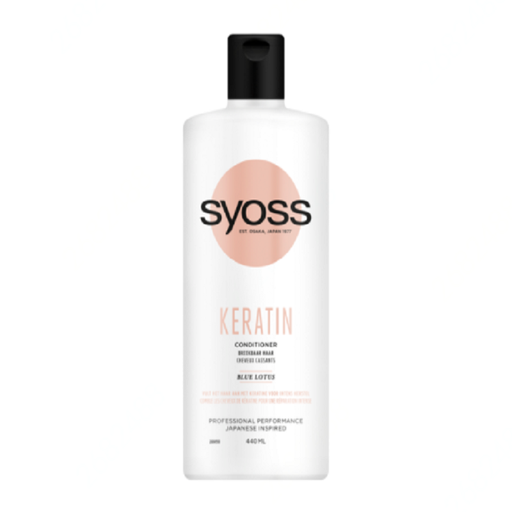
Why this fits the profile: A 440 ml conditioner is practical for regular use and offers a simple starting point for dry or dull hair.
You buy a single care product rather than jumping straight into an extensive routine. According to the product information, the formula contains hydrolysed keratin and soy protein; check the current packaging for any changes.
440 ml volume; designed for damaged hair; short application time and rinse-out.
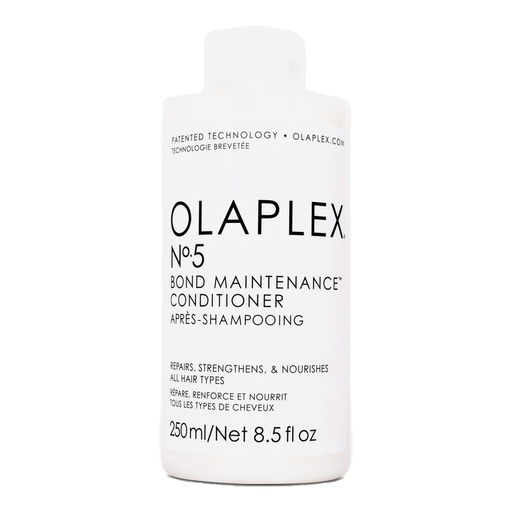
Why this fits the profile: A targeted conditioner for adults with coloured, bleached or chemically treated hair who carefully compare ingredients and product claims.
The product information explicitly mentions coloured and bleached hair. The claimed bond-building effect is a brand claim; also assess the full INCI list and your own hair's reaction.
250 ml; vegan and colour-safe according to the product specifications; contains bis-aminopropyl diglycol dimaleate.

Why this fits the profile: Ideal for anyone wanting to add extra care once or twice a week to a routine for dry, frizzy or chemically treated hair.
The usage instructions mention application to the lengths and ends, and use once or twice a week. This prevents a rich mask from being used with every wash.
180 g; contains camellia seed oil and hydrolysed protein among other ingredients; listed as sulphate- and silicone-free.
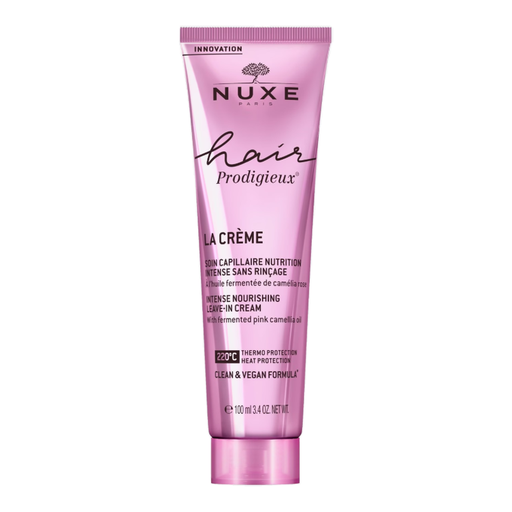
Why this fits the profile: A leave-in cream is handy when you want to detangle and smooth quickly after washing without an extra rinse step.
The cream is intended for daily use and, according to the description, contains botanical oils. Start with a small amount on the lengths to avoid weighing hair down.
100 ml; leave-in formula; contains camellia, argan and sweet almond oil among other ingredients.
Wash your scalp as often as needed, but don't routinely apply shampoo all the way down the lengths. Use conditioner from about mid-length to the ends. For dry or brittle hair, a hair mask for dry and damaged hair can be used weekly.
For frizzy hair, a few drops of hair oil for frizzy hair or a leave-in treatment often works more practically than multiple layers of styling products. Apply oil mainly to dry or towel-dried hair and avoid the scalp if it gets greasy quickly. Use heat protection when you use a hairdryer, straighteners or curling tongs; follow the specific temperature and usage instructions for the product.
We've put together a full, up-to-date list of products that fully meet these strict selection criteria and comply with current European safety regulations.
Start with a mild shampoo, a conditioner on the lengths and possibly a leave-in product. For fine hair, a light cream or serum is usually more manageable than a rich mask with every wash. For thick or porous hair, a mask once or twice a week can be beneficial.
That depends on the formula and your hair structure. Many masks are intended for once or twice a week. Use the mask according to the label and usually replace your conditioner with it, rather than applying both products generously on top of each other.
That varies depending on the volume, the amount you use and how often you use them. A 440 ml conditioner generally lasts longer with regular use than a 180 g pot. Always check the symbol for shelf life after opening, such as 12M, and store the product sealed according to the instructions on the packaging.
