
Vandaag of morgen in huis

Kwaliteit gegarandeerd

Welkomstaanbiedingen ontgrendelen: GRATIS bezorging | Tot 80% korting | Gratis 30 dagen JoyPlus-proefperiode
Download de app
Keeping your new hair colour looking fresh doesn’t mean you need to fill your bathroom with products. Yet many people pick a shampoo or mask based on eye-catching packaging, without checking whether the formula actually suits their hair. When it comes to hair products for coloured hair, there are three key pitfalls to watch out for.
The first is a promise about a specific number of washes. According to some brands’ own information, colour can be protected for up to, say, 40 washes – but the result also depends on the dye, your hair’s porosity, how often you wash, heat and sun exposure. So treat such a number as a product claim, not a fixed guarantee.
The second pitfall is confusing colour retention with colour correction. A colour retention shampoo is designed for coloured hair that you want to keep from looking dull too quickly. An anti-yellow shampoo or purple shampoo typically contains purple pigments and targets unwanted yellow or brassy tones in blonde, grey or bleached hair. That’s not necessary for every colour.
The third pitfall is over-cleansing or over-treating. A deeply cleansing shampoo can be handy for removing product build-up, but using it every day can be uncomfortable if you have dry or chemically treated hair. Likewise, an intensive hair mask isn’t always needed after every wash. Start by looking at your hair type and your routine.
Use the product description as your starting point:
Also check whether the product is intended for all hair types or specifically for coloured, blonde, grey or chemically treated hair.
With a purple shampoo or colour-correcting conditioner, purple pigments are an important practical feature. The intensity is influenced by your hair’s porosity and lightness. Always follow the instructions for use and start with a short processing time. For example, the product description for Andrelon Silver Care mentions massaging into wet hair and rinsing out; the instructions on the packaging remain the final guide.
A colour-correcting product doesn’t replace a regular shampoo for every wash. Alternating with a gentle colour retention shampoo helps prevent unnecessary pigment build-up.
A 440 ml bottle can be better value per millilitre than a 200 ml bottle, but only if you like the formula and use it regularly. Also look at:
A conditioner for coloured hair is usually applied mainly to the lengths and ends. A shampoo is used primarily on the scalp and rinsed out thoroughly.
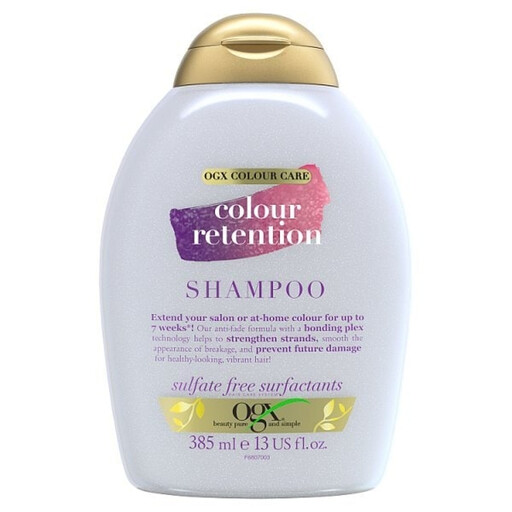
Why it fits this profile: The bottle contains 385 ml and, according to the product information, is suitable for all hair types and colour protection. This makes it a straightforward choice for anyone looking to build a simple colour retention routine.
The product description states colour retention as its purpose, without positioning it as an anti-yellow treatment. This means you won’t pick the wrong formula for a standard dyed colour.
385 ml; suitable for all hair types according to the product specification; use as a regular shampoo.
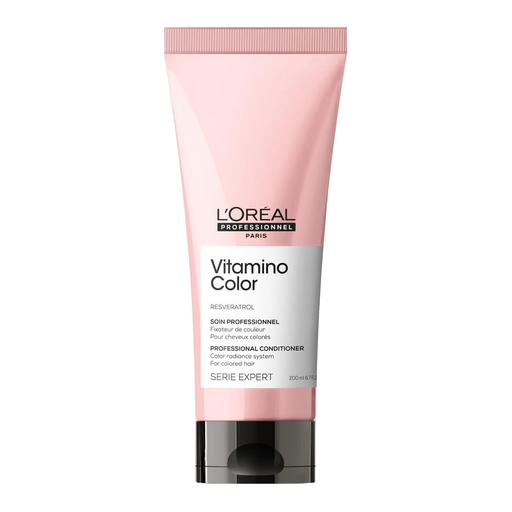
Why it fits this profile: According to the product information, this conditioner is developed for coloured hair and contains resveratrol. The formula is listed as paraben-free, sulphate-free and silicone-free.
The specifications make it clear that this is a conditioner for coloured hair, not a purple shampoo. The instructions for use mention a processing time of 1–2 minutes.
200 ml; suitable for coloured hair; pump packaging; stated properties: paraben-free, sulphate-free and silicone-free.
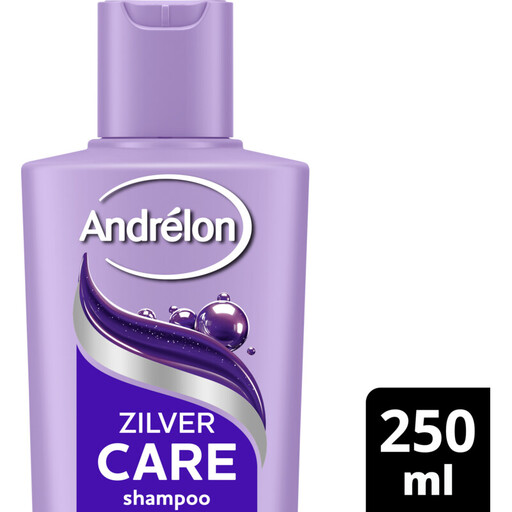
Why it fits this profile: The product information mentions purple pigments and a target audience of blonde, grey and highlighted hair. This suits users who mainly want to tackle yellow or brassy tones.
The purple pigments make its purpose clear: colour correction, not general colour retention. Avoid using it if you don’t have unwanted warm tones.
250 ml; purple pigments; intended for blonde, grey and highlighted hair; use as directed on the packaging.
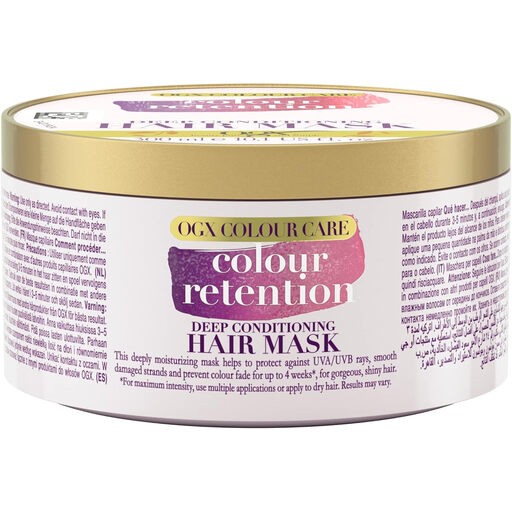
Why it fits this profile: This is a separate 300 ml hair mask for anyone who wants extra care for their lengths alongside a colour-protect shampoo.
A mask is used specifically on the lengths and not automatically as a daily shampoo. This lets you tailor intensive care to your hair’s condition.
300 ml; formula containing, among other things, glycerine and conditioning ingredients according to the ingredients list; intended as supplementary care.
We’ve put together a full, up-to-date list of products that fully meet these strict selection criteria and comply with current European safety regulations.
That depends on how often you wash your hair and how your hair responds. A standard colour-protect shampoo can be part of your regular routine. A purple shampoo should be used purposefully and not automatically with every wash. Follow the product instructions and watch out for dryness or an overly strong colour cast.
Often it can, but check the stated hair types. Bleached hair is chemically treated and may need extra care. A standard colour retention conditioner cares for the lengths, while an anti-yellow conditioner or purple product can also help neutralise warm tones, according to the product description.
Check the shelf life information and the open-pot symbol on the packaging. Some products state, for example, 12 months after opening. Store shampoo, conditioner and mask sealed and follow the safety instructions. A change in smell, colour or texture is a reason not to use the product any further.
