
Vandaag of morgen in huis

Kwaliteit gegarandeerd

Welkomstaanbiedingen ontgrendelen: GRATIS bezorging | Tot 80% korting | Gratis 30 dagen JoyPlus-proefperiode
Download de app
Dry, frizzy or brittle hair does not automatically require the most expensive product. If you search for hair products for damaged hair, you will often come across terms such as “repair”, “bond building” and “salon results”. On their own, these words tell you very little. The main differences lie in the type of product, how it is used, the ingredients list and whether it suits your particular hair concern.
A hair cream can temporarily make your hair smoother, softer or easier to manage. That does not automatically mean the product is suitable as a treatment for hair breakage. A volume paste, mousse or styling cream is generally designed to provide texture and shape, rather than care for damaged lengths.
So check the product type first. If you are looking for an intensive hair repair treatment, a pre-shampoo treatment, mask or bond building treatment is more suitable than a styling product.
Claims such as “repairs at molecular level”, “reduces hair breakage” or “up to nine times less frizz” come from product descriptions and brand communications. According to the brand’s own research, these claims may be linked to specific results, but the outcome can vary depending on your hair type, level of damage and how you use the product.
Treat a claim as information to help you compare products further, rather than as a guarantee. Also pay attention to the complete instructions for use: a leave-in hair cream works differently from a product that must be rinsed out after ten minutes.
Dry hair often needs moisture, but severely damaged or porous hair may also benefit from nourishing oils, conditioning ingredients or a formula that, according to the product description, is designed to target hair bonds. The word “hydrating” alone does not tell you how the product will perform on fine, thick, straight or curly hair.
Choose according to your routine:
A leave-in product is practical for everyday maintenance. An intensive treatment is generally used less frequently, according to the label.
Check the ingredients list rather than focusing only on the front of the packaging. Glycerine, panthenol and hyaluronic acid are often used in hydrating hair treatment formulas. Oils such as argan, almond, jojoba and camellia oil can help give hair a more nourished and smoother feel.
Conditioning ingredients and silicones can make hair easier to comb and leave the fibres feeling smoother. This can be useful for dry and damaged hair, but it is not proof that split ends have been repaired. Split ends may become less noticeable cosmetically; fully repairing a split end is generally not the same as temporarily smoothing it.
If a product contains fragrances or known allergens, it is sensible to check the packaging. Products may contain perfume. Stop using the product if irritation occurs and avoid contact with the eyes.
Using more product does not always produce better results. This is particularly true for fine hair, where a generous amount of hair cream can make it look limp or greasy. Start with a small amount and distribute it through the mid-lengths and ends. Long, thick or curly hair may need more than short or fine hair.
Also consider the size of the product: a 100 ml bottle may contain a treatment intended for weekly use, while a 200 ml bottle may be designed for daily application.
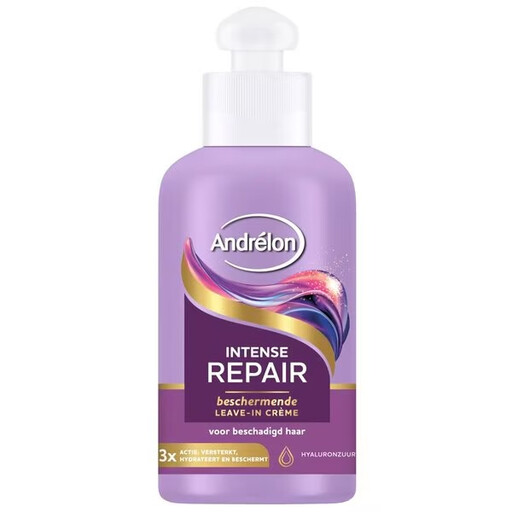
Why it suits this profile: The leave-in formula is easy to incorporate into a daily routine. Apply a small amount to damp or dry hair, from the mid-lengths to the ends.
It is clearly a leave-in hair cream, not a styling paste. This makes it easier to distinguish the product’s purpose from that of volume or texturising products.
Contains hyaluronic acid according to the product information and is suitable for use without rinsing on dry or damp hair.

Why it suits this profile: This is a specific pre-shampoo bond builder for adults looking for a weekly treatment for damaged lengths.
The instructions clearly state that you should apply the product before shampooing, leave it on for at least ten minutes and then rinse it out. It is therefore not a daily leave-in product.
100 ml, a cream formula and suitable for all hair types according to the product information. According to Olaplex’s own research, the formula is designed to target broken disulphide bonds.
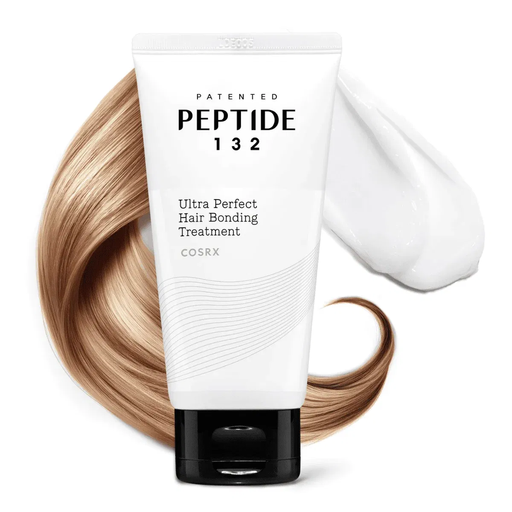
Why it suits this profile: This rinse-out treatment is intended for anyone who wants to add a more intensive step to their routine after washing dry and damaged hair.
The instructions clearly state: apply to the mid-lengths and ends after shampooing, then rinse thoroughly. This avoids confusion with a leave-in hair cream.
120 ml and a formula containing, among other ingredients, glycerine, oils, ceramides, panthenol and hyaluronic acid according to the listed ingredients.
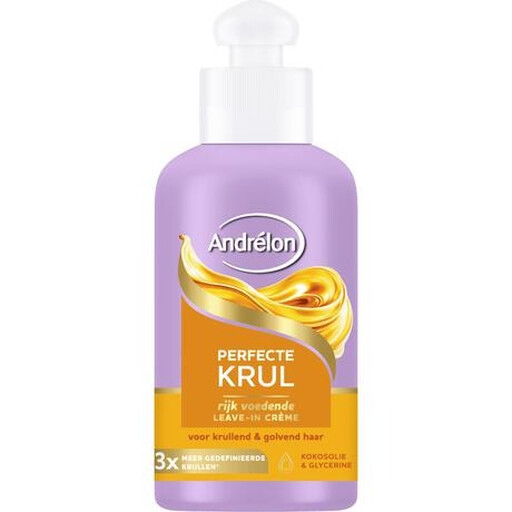
Why it suits this profile: The curl cream is designed to define natural curls and tame frizz. You can use the cream on damp or dry hair.
The product description identifies curl definition and anti-frizz hair care as its purpose. So expect styling and care, rather than automatically expecting an intensive bond building treatment.
200 ml, with coconut oil and glycerine according to the product information; suitable for scrunching curls and leaving them to air-dry or styling them with a diffuser.
We have put together a complete, up-to-date list of products that fully meet these strict selection criteria and the applicable European safety regulations.
When buying, look for the PAO symbol, such as 12M, and keep the packaging. The full ingredients list, shelf life and warnings may be changed by the manufacturer and are stated on the product itself.
A leave-in hair cream is generally more practical for daily use than an intensive pre-shampoo treatment. Apply a small amount to the mid-lengths and ends. With fine hair, dosage is important to prevent it from becoming weighed down.
According to the product description, a bond building treatment is designed to care for damaged hair structures and leave hair feeling stronger. Results vary from person to person. Use the product according to the label and do not treat hair breakage as a medical condition.
This depends on the product. Olaplex Hair Perfector No. 3 states that it should be used weekly, with more frequent use for very damaged hair. A leave-in hair cream can be applied daily according to the product information. Start with the recommended dosage and adjust the frequency according to how your hair responds.
