
Vandaag of morgen in huis

Kwaliteit gegarandeerd

Welkomstaanbiedingen ontgrendelen: GRATIS bezorging | Tot 80% korting | Gratis 30 dagen JoyPlus-proefperiode
Download de app
Dry, frizzy or dull hair does not automatically call for an expensive product. When choosing hair oil and hair serum, the main considerations are the formula, how you apply it and whether it suits your hair type. An oil for thick, curly hair, for example, may feel heavy on fine hair. A lightweight serum, on the other hand, may not provide enough care for severely damaged lengths.
In this guide, you’ll discover what to look for, which marketing claims to assess critically and which popular options suit different needs.
Split ends may look smoother after applying a serum. A hair oil for split ends can temporarily coat the ends and leave the hair feeling softer, but you should not automatically interpret this as permanent repair of the hair fibre. Treat “repair”, “bonding” and “reconstruction” as product claims.
According to the brand’s product description, the Peptide 132 Hair Bonding Oil Serum contains a peptide and silicones to make damaged hair look smoother and help protect it against friction. The description also states that the product is not a replacement for a dedicated heat-protection spray at high temperatures.
Argan oil, coconut oil, jojoba oil and macadamia oil are often associated with nourishment and shine. However, this does not tell you how much product you need or how it will work for your hair. Fine or low-porosity hair can look limp or greasy more quickly. Thick, curly or porous hair will often tolerate a richer formula.
Also look out for perfume and fragrance ingredients such as limonene, linalool and citronellol if you are sensitive to them. Always check the current ingredients list on the packaging.
Some brands mention protection against blow-drying, heat styling or UV radiation. Whether based on a brand’s own research or the product description, this is a manufacturer’s claim, not a universal guarantee for every temperature and styling method. For intensive heat styling, preferably use a product designed for that purpose and follow the instructions on the label.
First, look at the position of oils, silicones and conditioning ingredients in the ingredients list.
A hair serum with argan oil is not automatically better than a formula containing several oils. Compare the full ingredients list and pay attention to the recommended amount.
Usually apply hair oil and hair serum to the lengths and ends, not the scalp. Otherwise, the roots may look heavy or greasy. Start with a small amount:
A capsule product, such as a twist-off softgel, is dosed per use. This can help reduce waste, but it does require careful opening and storage. Lucovitaal states that its leave-in serums are not intended for consumption and contain vitamin A.
Do not compare the price of a package alone. A 30 ml bottle can last longer than a larger bottle if you only need half a pump per application. Also check:
A nourishing hair oil for everyday use is convenient when you can adjust the dosage precisely. For intensive use, a larger bottle or twin pack may offer better value.
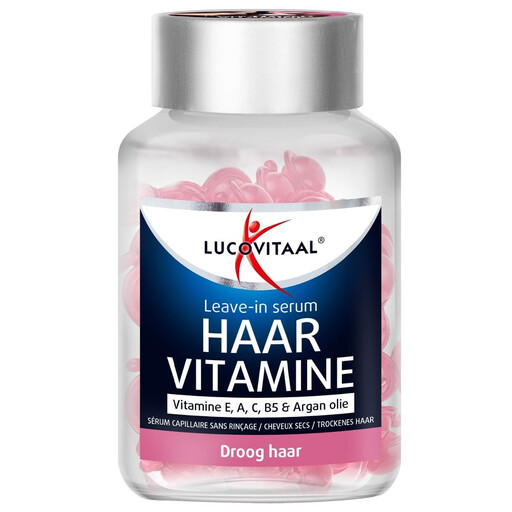
Why it suits this profile: The twist-off capsules provide a fixed portion and, according to the product information, are intended for dry, damaged, coloured, curly and frizzy hair.
The dosage is easy to distribute through the lengths and ends, making it less likely that you will use too much oil.
25 capsules, leave-in use and a formula containing macadamia, camellia, coconut, argan and jojoba oils, among other ingredients.
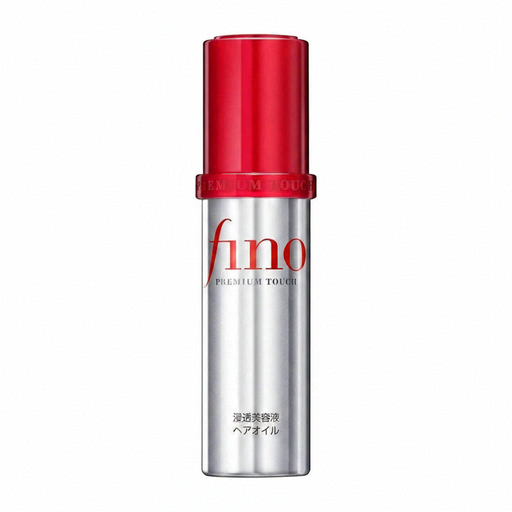
Why it suits this profile: According to the product information, this hair oil for damaged hair is aimed at dry, frizzy, coloured and brittle hair and contains argan oil, vitamin E and squalane, among other ingredients.
The instructions specify 1–2 pumps applied to the mid-lengths and ends, allowing you to adjust the amount to suit your hair.
70 ml contents, suitable for dry or towel-dried hair and designed to provide softness, nourishment and shine.
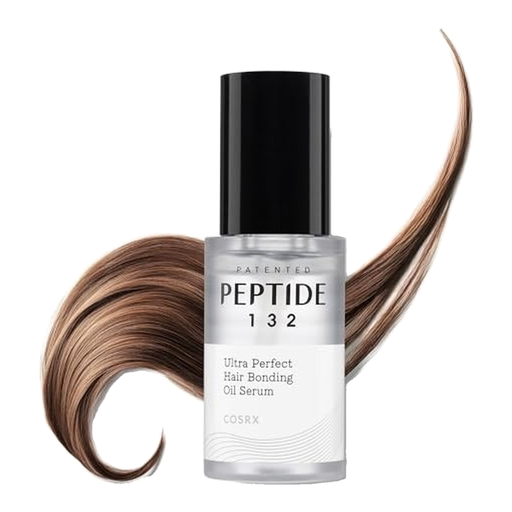
Why it suits this profile: The formula targets frizz, dry ends and styling. According to the product description, the serum contains seven plant oils, silicones and Tripeptide-132 HCl.
The manufacturer expressly states that this is not a replacement for a dedicated spray at high temperatures. This helps avoid interpreting the heat-protection claim too broadly.
28 ml, 1–3 pumps per use and suitable for damp or dry hair; ideal for extra control on humid days.
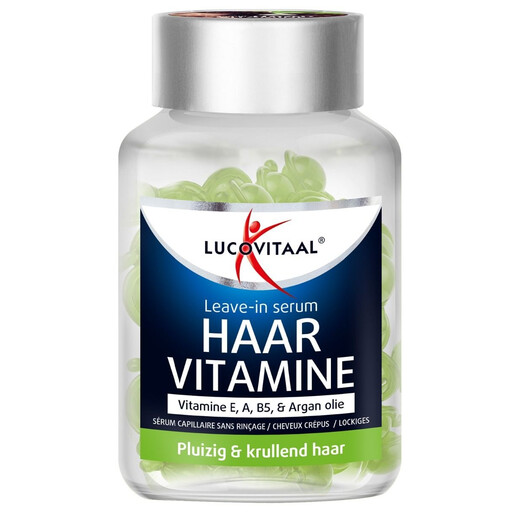
Why it suits this profile: According to the product description, this leave-in hair serum is intended for curly, wavy and frizzy hair and helps support curl definition and manageability.
The instructions focus on the lengths and ends and specify use on towel-dried or dry hair, without rinsing.
25 twist-off softgels, leave-in application and a formula containing macadamia, camellia, coconut, almond and argan oils, among other ingredients.
We have put together a complete, up-to-date list of products that fully meet these strict selection criteria and the applicable European safety regulations.
Use an anti-frizz hair oil mainly as a finishing product when your hair feels dry or becomes frizzy. With curls, you can gently distribute the product over the outer layer once your hair has dried. For dry hair, applying it to towel-dried hair is often more practical, as this allows you to distribute the oil more evenly.
If you want to use a hair oil with heat protection, first check which styling method and temperature the manufacturer means. If necessary, combine the product with a separate heat protectant. Do not apply oil close to naked flames or strong heat sources, and follow the safety information on the packaging.
Yes, but start with a very small amount and apply the product only to the ends. A lightweight serum or spray formula may be more practical for fine hair than a rich oil. If your hair looks limp or greasy, use less product or choose a lighter texture.
This depends on your hair type and the formula. Dry, thick or curly hair may benefit from using a small amount every day. For fine hair or hair that becomes greasy quickly, a few times a week may be sufficient. Always follow the instructions for use and adjust the dosage accordingly.
No, cosmetic hair oil can temporarily make split ends look smoother and condition the hair’s surface. Split ends will not disappear permanently through the use of a serum. Trimming remains the direct way to remove split ends.
