
Vandaag of morgen in huis

Kwaliteit gegarandeerd

Welkomstaanbiedingen ontgrendelen: GRATIS bezorging | Tot 80% korting | Gratis 30 dagen JoyPlus-proefperiode
Download de app
Dry hair, frizzy lengths or curls that quickly lose their shape: hair oil and hair serum can help your hair feel smoother and look shinier. However, not every product suits every hair type. A heavy oil can weigh fine hair down, while a lightweight serum may not provide enough care for porous or badly damaged lengths.
As a Joybuy Product Recommendation Officer, I filter through the key product specifications and marketing claims to help you make a more informed choice. Pay particular attention to the formula, when to use it and how the brand supports its claims.
Words such as repair, bond repair and reconstruction sound convincing. A cosmetic product can make the surface of your hair feel smoother or temporarily create a protective layer. That’s different from permanently repairing the hair structure.
So check whether the product description explains what the product does: detangling, smoothing, protecting against heat or caring for the surface of your hair. For example, Pantene Repair & Protect oil is described as being for damaged hair surfaces. That’s more specific than a general promise of complete repair.
A hair oil with heat protection may be suitable as part of your styling routine, but that doesn’t automatically mean you won’t need any other protection. Check the instructions and the styling method specified.
For example, the Peptide 132 Hair Bonding Oil Serum says it can be used as the final step before heat styling, but not as a replacement for a dedicated heat protection spray at high temperatures. That distinction matters if you regularly use a hairdryer, straighteners or curling tongs.
Argan oil, jojoba oil, coconut oil and other plant oils may sound appealing. However, it’s the full formula that determines how heavy, smooth or sticky a product feels. Silicones, fragrance and conditioning ingredients can also play a part.
So don’t focus on just one ingredient. Consider:
A lightweight serum or mist-form hair oil is often a good choice for fine hair or hair that gets greasy quickly. Apply it only to the lengths and ends. Thick, curly or porous hair can usually handle more conditioning, but start with a small amount here too.
For hair oil for dry hair, conditioning oils and a leave-in formula are practical options. For curls, it’s important that the product doesn’t just add shine, but also avoids weighing them down unnecessarily. It’s best to use hair oil for curls on towel-dried hair, then gently shape your curls.
Differentiate between:
For example, a hair serum with argan oil may be worth considering for dry ends, but argan oil alone doesn’t determine whether the product is right for all your hair.
Start with one pump or a few drops. Rub the product between your palms and apply it from the mid-lengths to the ends. Avoid the scalp unless the instructions specifically say the product is intended for it.
Use oil on damp hair when your main aim is to detangle and condition. On dry hair, a small amount often works as a finishing touch for hair oil for shine or to tame flyaways.
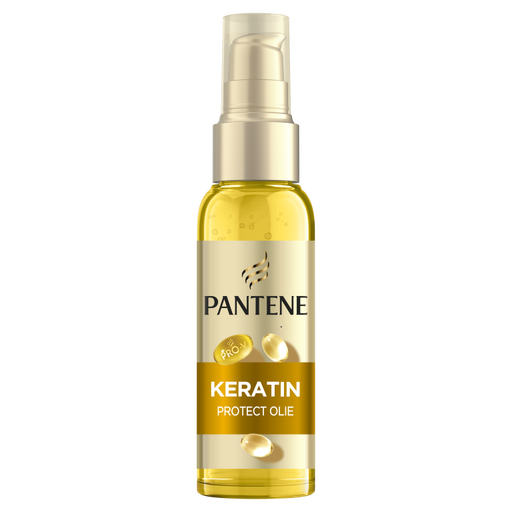
Why it suits this profile: The oil is designed for dry and damaged hair and can be used on wet or dry hair. That makes it an easy addition to the routine if you’re trying a leave-in hair oil for the first time.
The description specifically refers to the hair surface and recommends using a small amount on the lengths. This helps prevent using too much and leaving hair looking greasy.
100 ml; leave-in use; suitable for dry and damp hair; ingredients include panthenol and dimethiconol.
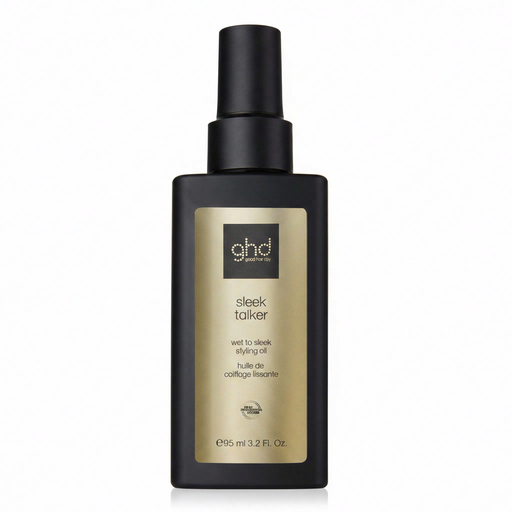
Why it suits this profile: Suitable if you regularly blow-dry or style your hair and want a product that can be used on both towel-dried and dry hair.
The instructions give different recommended amounts for wet and dry hair. According to the product description, the formula contains argan oil and is designed as a styling oil with heat protection.
95 ml; argan oil in the ingredients list; suitable for all hair types according to the product information; use on wet and dry hair.
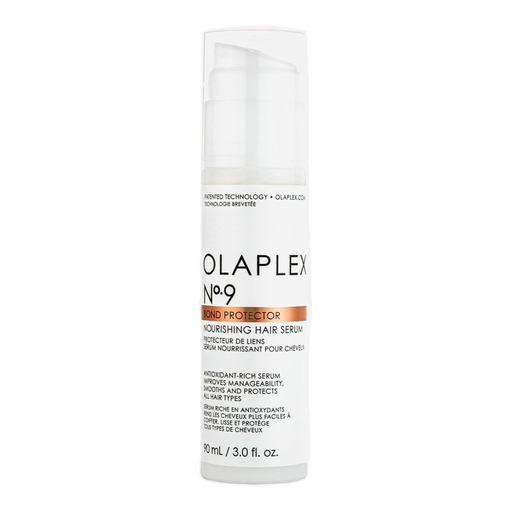
Why it suits this profile: An option for anyone who wants to tackle frizz as well as detangle, manage static and style with heat.
It’s a serum rather than a heavy oil. The product description also explicitly states that it offers heat protection, but always check the packaging for the right styling instructions.
90 ml; designed for all hair types according to the product information; contains panthenol and sodium hyaluronate; leave-in use.
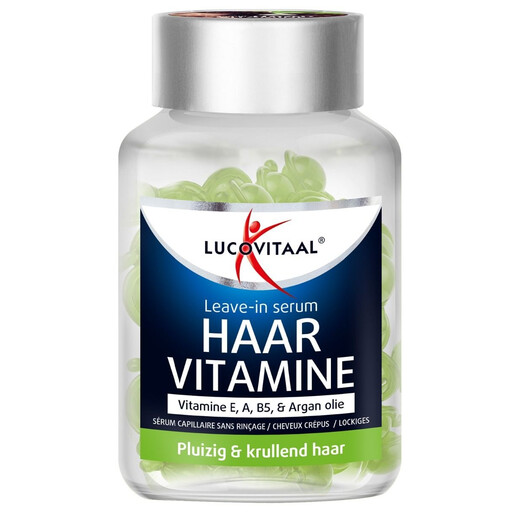
Why it suits this profile: The twist-off softgels are designed for curly, wavy and frizzy hair and can be used as leave-in care on towel-dried or dry hair.
Each capsule contains a pre-measured amount, so you’re less likely to dispense too much from a bottle. The product description says it doesn’t need rinsing out and specifies application to the lengths and ends.
25 softgels; ingredients include macadamia, camellia, coconut, argan and jojoba oils; leave-in formula; suitable for curly and frizzy hair according to the product information.
We’ve put together a complete, up-to-date list of products that meet these strict selection criteria and the applicable European safety requirements.
For each product, check the packaging for warnings, shelf life and period after opening. Stop using the product if irritation occurs and avoid contact with your eyes.
It depends on your hair and the result you want. A serum often has a lighter, smoothing texture and suits fine or normal hair. An oil can provide more conditioning for dry, thick or porous lengths. When choosing an anti-frizz hair serum, the full formula and recommended amount matter most, not just the name on the packaging.
You can if the product description mentions heat protection and the instructions say it can be used on damp hair. For straighteners or very high temperatures, only use a product that’s explicitly suitable. An oil doesn’t automatically provide complete heat protection.
Check the shelf-life information on the packaging. Some products state a period after opening, such as 6M or 12M. Keep the bottle tightly closed, somewhere cool and out of direct sunlight. If the smell, colour or texture changes, stop using the product.
