
Vandaag of morgen in huis

Kwaliteit gegarandeerd

Welkomstaanbiedingen ontgrendelen: GRATIS bezorging | Tot 80% korting | Gratis 30 dagen JoyPlus-proefperiode
Download de app
Dry ends, frizzy hair or curls that are losing their shape: hair oil can help hair feel smoother and look shinier. However, not every oil is suitable for every hair type. A rich formula can weigh fine hair down, while a lightweight hair serum formula may not provide enough care for thick or severely damaged hair.
When you search for “best hair oil”, you will often see promises of repair, protection and long-lasting shine. It is better to look at verifiable information: the ingredients list, directions for use, volume and the hair type the product is intended for.
Natural oils such as coconut, argan and macadamia oil can feel nourishing, but a rich formula is not automatically suitable for thin or fine hair. Too much product can leave the lengths limp or greasy. For fine hair, a lightweight oil, spray or hair serum and a small amount are usually more practical.
Some brands mention protection against heat from styling tools. This does not always mean that the product replaces a dedicated heat protectant. Check whether a specific temperature or usage instruction is provided. For example, the product states that it can be used before styling, but does not replace a dedicated heat-protection spray at high temperatures.
Damaged hair ends cannot be permanently returned to their original condition. Hair oil can temporarily make the surface look smoother and make combing easier. Claims about repair or strengthening come from brands. According to a brand’s product description, a formula may, for example, help with dryness, frizz or split ends; this is not a guarantee for every hair type.
Also pay attention to allergens and fragrances. Some products contain parfum, limonene, linalool or other fragrance components. If you have an allergy, read the full ingredients list and follow the warnings on the packaging.
Hair oil does not always consist mainly of plant-based oil. Many hair serums also contain silicones such as dimethicone or cyclopentasiloxane. These can make hair feel smooth and help reduce friction. If you are specifically looking for a plant-based formula, check the ingredients list rather than relying only on the front of the packaging.
For dry or damaged hair, a richer oil or leave-in treatment can feel beneficial. Curly hair often responds well to a formula that keeps the lengths supple without completely flattening the curl. With fine hair, the amount used is more important than a long ingredients list.
Look out for terms such as:
These terms describe the intended use, but do not guarantee the same results for everyone.
A leave-in hair oil does not need to be rinsed out. Usually apply the product to towel-dried or dry hair, from the mid-lengths to the ends. Avoid the scalp if your hair becomes greasy quickly, unless the packaging specifically mentions use on the scalp.
Start with one drop, one pump or a small amount from a capsule. Only add more if needed. Packaging with twist-off softgels provides one portion at a time, while a pump bottle offers more flexibility for daily use.
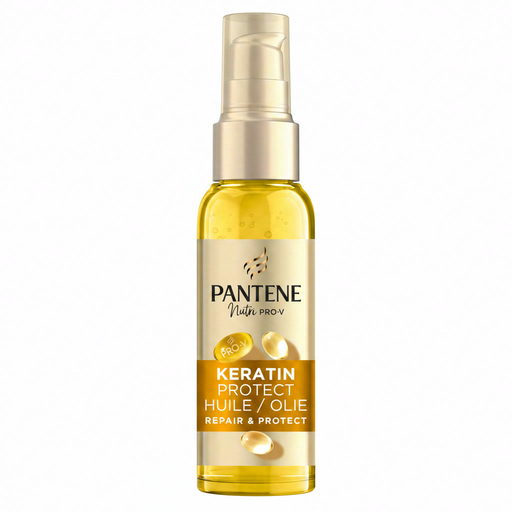
Why it suits this profile: The bottle contains 100 ml and the directions are straightforward: apply a small amount to wet or dry hair, particularly the ends. This makes the hair oil an accessible choice for everyday use.
The product information gives a clear dosage of one drop. This reduces the chance of weighing down fine or normal hair.
100 ml; leave-in use on wet or dry hair; according to the product description, intended for damaged hair.
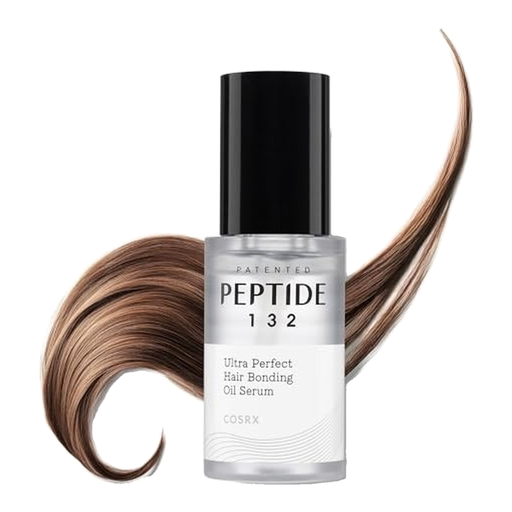
Why it suits this profile: According to the product description, this hair serum combines peptide-132, several plant-based oils and silicones in a lightweight formula for dryness, frizz and shine.
The description explicitly states that the serum does not replace a dedicated high-temperature heat protectant. This makes the difference between hair oil and heat protection clear.
28 ml; one to three pumps; seven named plant-based oils; suitable for use on damp or dry hair.
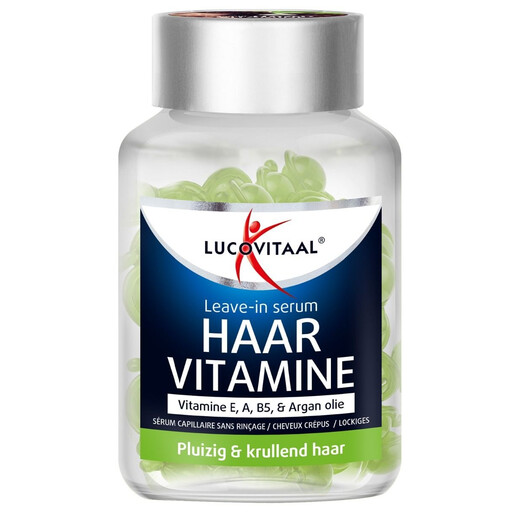
Why it suits this profile: The twist-off softgels are aimed at curly, wavy and frizzy hair. Use the oil on towel-dried hair for styling or on dry hair as a finishing touch.
The single-portion packaging helps prevent over-application. However, check the ingredients: the formula contains parfum and several named fragrance allergens.
25 softgels; leave-in formula; ingredients list including argan, jojoba, coconut and macadamia oil.
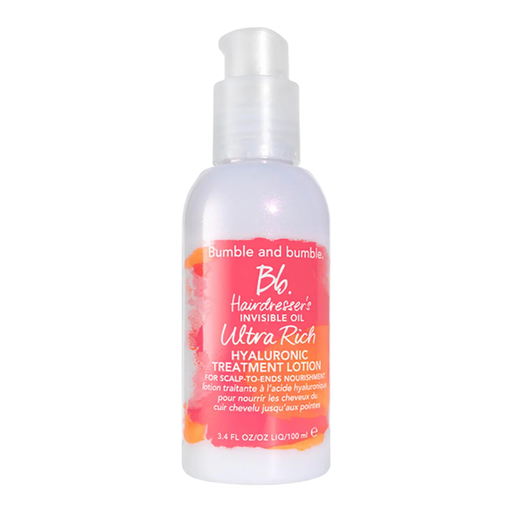
Why it suits this profile: According to the product description, this leave-in lotion is intended for dry to very dry hair and all hair textures. It can be applied to damp or dry hair.
The product information clearly identifies its target audience. This helps you avoid choosing a lightweight serum texture when your hair actually needs a richer leave-in formula.
100 ml; designed for all hair textures; according to the product description, it also offers detangling, frizz control and heat protection.
Test a new product on a small section of hair first. Stop using it if irritation occurs and avoid contact with the eyes. Hair oil is intended for external use and is not suitable for consumption.
We have put together a complete, up-to-date list of products that fully meet these strict selection criteria and the applicable European safety regulations.
That depends on the formula and your hair type. If you have fine hair, use a small amount on the ends. Dry, thick or curly hair can sometimes handle more product. Always follow the label and reduce the amount if your hair feels heavy or greasy.
Hair oil often consists largely of plant-based oils or a combination of oils and conditioning ingredients. Hair serum often contains silicones and is mainly designed to provide a smooth feel, shine and reduced frizz. A leave-in hair oil or serum is not rinsed out; check the packaging to confirm this.
Check the best-before date and the symbol indicating the period after opening, such as 12M. Keep the product closed, cool and out of direct sunlight. For capsules, the shelf life is generally stated on the packaging. If the smell, colour or texture changes noticeably, stop using the product.
