
Vandaag of morgen in huis

Kwaliteit gegarandeerd

Welkomstaanbiedingen ontgrendelen: GRATIS bezorging | Tot 80% korting | Gratis 30 dagen JoyPlus-proefperiode
Download de app
Dry ends, frizzy hair or a dull appearance? A hair oil can make your hair feel smoother and add extra shine, but not every product suits every hair type. A rich oil can weigh fine hair down, while a light mist may not provide enough care for thick or damaged hair.
Also keep an eye on marketing claims. Words like “repair”, “nourishment” and “protection” only mean something when you look at the formula, how it’s used and the specific product details. Below, you’ll find out what to look for in a hair oil, argan oil for hair and other hair care products.
Oils, butters and silicones can make hair feel smooth, but a large amount can flatten fine or quickly greasy hair. So look out for terms like lightweight, mist, non-greasy or a low oil content in the ingredients list. With fine hair, start with just one drop or a short spray.
Hair oil can temporarily make the surface feel smoother and make split ends less visible. However, it won’t permanently repair damaged hair fibres. Claims about repair or strengthening often come from the brand’s product description. So treat them as a description of the intended effect, not a guarantee for every hair type.
Not every hair oil is a hair oil with heat protection. Check whether this is explicitly stated on the packaging or in the product information. A product that only adds shine doesn’t replace heat protection when blow-drying, straightening or curling. Also use styling tools according to the instructions and set the temperature to suit your hair.
Argan oil is known as a nourishing ingredient and appears in various products for dry or frizzy hair. However, where argan oil sits in the ingredients list doesn’t on its own tell you how much is present. Also look at other ingredients, such as silicones, jojoba oil, vitamin E, panthenol or plant-based oils.
If you’re sensitive to fragrance, you can look out for scent ingredients like limonene, linalool or citronellol. Always check the current ingredients list on the packaging, as formulas can change.
A leave-in hair oil stays in your hair and is usually applied in small amounts to the lengths and ends. A mist distributes lightly and evenly. A concentrated oil often requires just one or a few drops.
For curly or thick hair, a richer formula can be pleasant. For straight, fine or greasier hair, a lighter hair oil for frizzy hair is often a better fit. Start with a small amount and only add more if needed.
Check whether the product is suitable for towel-dried hair, dry hair or both. On towel-dried hair, oil can help distribute care before styling. On dry hair, a small amount is often used as a finishing touch for shine and less frizz.
Generally, don’t apply oil generously to the scalp unless the instructions say so. The lengths and ends are usually the areas where dryness and friction are most noticeable.
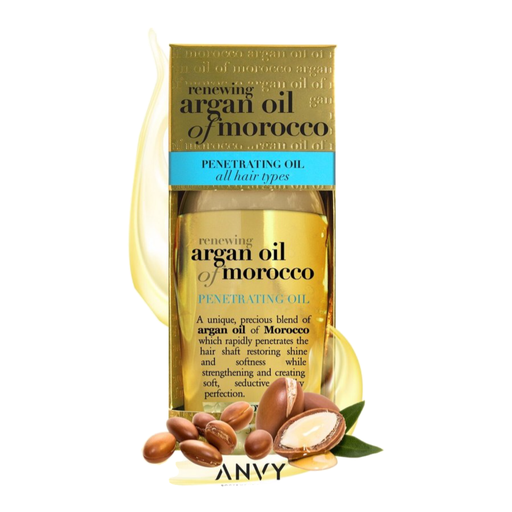
Why this fits the profile: The oil is designed for dry hair and, according to the product information, is applied in a small amount to towel-dried hair. This makes the dosage straightforward for anyone new to hair oil.
The instructions mention a small amount and application to the ends. According to the product description, the formula also offers protection against styling heat and UV damage.
100 ml content, argan oil in the product description and clear application to lengths and ends.
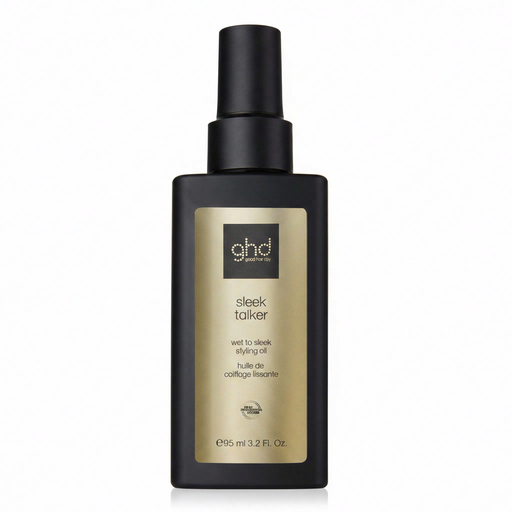
Why this fits the profile: Ideal if you want to combine styling, smoothness and care in one leave-in hair oil. The product information mentions use on both towel-dried and dry hair.
The dosage is clearly described: 2–3 pumps on towel-dried hair and 1–2 pumps on dry hair. According to the product description, it has been developed with a thermal protection layer.
95 ml content, argan oil listed in the ingredients and suitable for all hair types and lengths according to the product details.
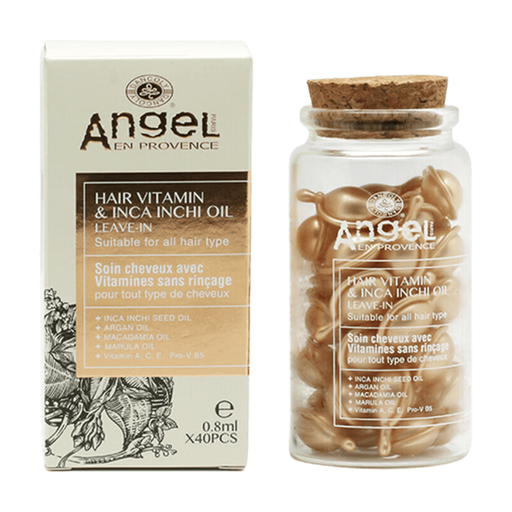
Why this fits the profile: The packaging contains 40 individual portions of 0.8 ml each. This is practical if you want a fixed amount to take with you or to dose per treatment.
The portion packaging helps limit overdosing. According to the product description, the formula is intended for use after washing or on dry hair and contains argan oil and vitamin E.
40 portions of 0.8 ml, a light formula according to the product information and stated protection against heat and UV radiation.
For additional hair care, you can combine a conditioner or hair mask with a hair oil. A conditioner is rinsed out; a leave-in hair oil stays in. These products therefore don’t have the same application.
We’ve put together a full, up-to-date list of products that fully meet these strict selection criteria and comply with current European safety regulations.
It can be, but the right texture and dosage vary. Fine or straight hair usually benefits from a light formula and a small amount of product. Dry, thick, wavy or curly hair can often use a richer hair oil. Always check the stated suitability and start cautiously.
That depends on your hair and the formula. A small amount on the ends can be used daily if your hair doesn’t feel heavy. A more intensive oil treatment is better used occasionally, following the instructions. Wash your hair when product build-up occurs.
According to product descriptions, hair oil can help dry or damaged hair feel smoother, softer and shinier. This effect is cosmetic and can be temporary. Split ends won’t disappear with oil; cutting is needed for that. When using heat, always use a product with explicitly stated heat protection.
