
Vandaag of morgen in huis

Kwaliteit gegarandeerd

Welkomstaanbiedingen ontgrendelen: GRATIS bezorging | Tot 80% korting | Gratis 30 dagen JoyPlus-proefperiode
Download de app
Dry ends, frizzy hair or curls that are losing their shape: hair oil can help your hair feel smoother, softer and easier to manage. However, not every hair oil is suitable for every hair type. A rich oil can weigh fine hair down, while a lightweight hair serum formula may not provide enough care for very dry or damaged hair.
As a Joybuy Product Recommendation Officer, I filter product information based on practical considerations. This helps you see more quickly which product suits your routine and which marketing claims should be treated with a degree of caution.
A fresh, floral or sweet fragrance says little about a product’s conditioning properties. Perfume and fragrance ingredients are often clearly listed, but they do not determine whether a product is suitable for dry, curly or coloured hair. If you have a sensitive scalp, check the full ingredients list and try the oil in a small amount first.
More oil does not automatically mean more nourishment. Fine or straight hair, in particular, can quickly look heavy or greasy when oil is applied at the roots. Most leave-in hair oils and hair serum products are intended for the mid-lengths and ends. Start with one drop or pump and only add more if needed.
Some brands mention protection against heat styling or UV radiation. According to the brand’s own research or product information, this may support a particular effect, but the exact level of protection varies between formulas and how they are used. A hair oil with heat protection does not always replace a dedicated heat-protection spray, especially at high temperatures. For example, the brand explicitly states that its oil is not a substitute for a dedicated spray for very high styling temperatures.
Choose the texture based on your hair structure:
Argan oil for hair is often used to create a soft feel and add shine. Plant oils such as coconut, macadamia, jojoba and sacha inchi oil can make a formula richer. Silicones such as dimethicone or dimethiconol often provide a smoother feel and help reduce friction while brushing.
If your main aim is hair oil for frizzy hair, do not rely solely on the name “anti-frizz hair oil”. Also check whether the product is intended for dry or wet hair and whether the instructions say to apply it to the mid-lengths and ends.
A 100 ml bottle may seem good value, but a capsule or dropper formula can be more economical if you only need a small amount. Also check:
The information on the product page is intended as a guide. Always check the label when your order arrives, as packaging, ingredients or usage instructions may change.
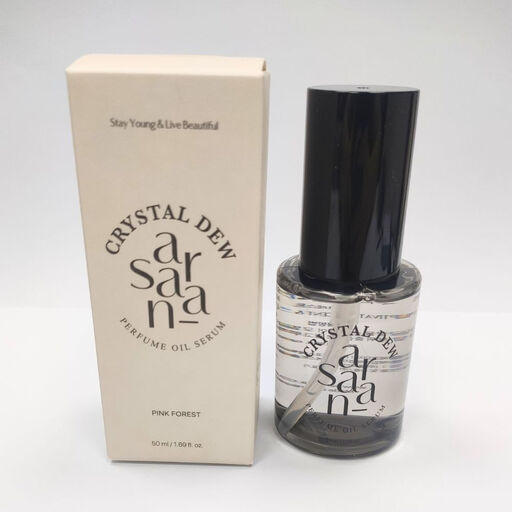
Why it suits this profile: A straightforward choice for anyone using hair oil for the first time and looking for compact packaging. According to the product description, the oil is intended to nourish, reduce frizz and add extra shine.
The instructions recommend just 2 to 3 drops on damp or dry hair. This allows you to start with a small amount and avoid weighing your hair down.
50 ml; natural extracts, including jojoba and argan oil according to the product information; suitable for dry and wet hair.
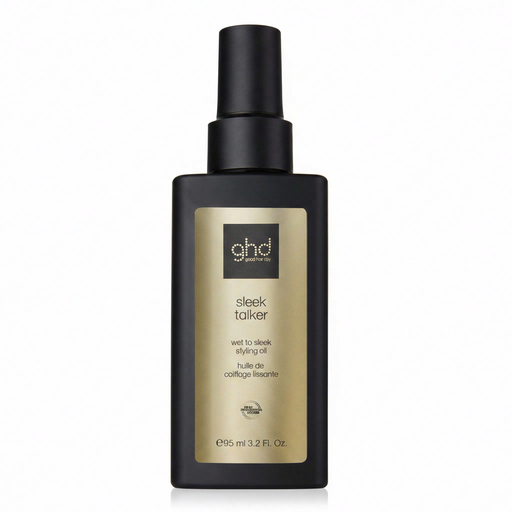
Why it suits this profile: Suitable for adults who regularly blow-dry or style their hair and want a styling oil with a lightweight, non-greasy texture. According to ghd, the formula is intended to support smoothness, softness and protection during styling.
The product information distinguishes between use on damp and dry hair and specifies a separate amount for each. This helps prevent over-application.
95 ml; contains argan oil according to the ingredients list; use on wet or dry hair; product information states that it offers heat protection.
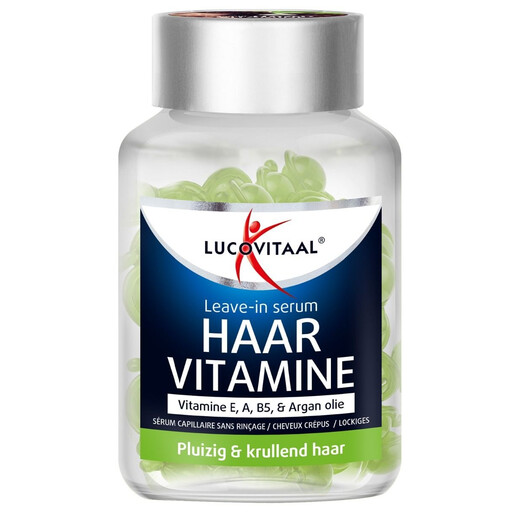
Why it suits this profile: A practical option for curly, wavy or frizzy hair. According to the product description, the serum is intended as a leave-in treatment for daily use, without rinsing.
The individual twist-off softgels make the amount per use easy to control. Apply the serum to the mid-lengths and ends rather than automatically applying it to the roots.
25 softgels; leave-in formula; oils such as macadamia, camellia, coconut, almond and argan oil are listed; designed for curls and frizz.
For hair oil for dry hair, richer formulas are often appealing, but it is important to find the right balance. Oil can make the surface of your hair feel smoother without reversing structural damage. When it comes to split ends, cutting is the only way to remove the split section.
We have put together a complete, up-to-date list of products that fully meet these strict selection criteria and the applicable European safety regulations.
That depends on the product and your hair type. A lightweight hair serum formula can be used on the ends daily, while a rich oil may be better suited to use a few times a week or as a pre-wash treatment. Follow the instructions and start with a small amount.
Hair oil for frizzy hair can make the surface of your hair feel smoother and temporarily make stray strands less noticeable. The result depends on humidity, hair porosity and the amount used. An anti-frizz hair oil is therefore not a permanent solution for frizz.
You can if the product information states that it offers heat protection. Always check the packaging. For products without a clear temperature or heat-protection claim, it is better to use a separate heat protectant. Apply the oil mainly to the mid-lengths and ends to avoid a heavy feel at the roots.
