
Vandaag of morgen in huis

Kwaliteit gegarandeerd

Welkomstaanbiedingen ontgrendelen: GRATIS bezorging | Tot 80% korting | Gratis 30 dagen JoyPlus-proefperiode
Download de app
The right hair oil can be the difference between a frizzy, dull mane and a shiny, healthy head of hair. But with shelves full of promises, it's difficult to determine which product truly works for you. Many bottles promise the world but leave you with greasy, heavy hair or an empty wallet.
As a Joybuy Product Recommendation Officer, I'm here to help you cut through the marketing claims. Before you make a choice, it's crucial to recognise the most common pitfalls that cost many consumers money.
To avoid a bad purchase, it's better to focus on a few concrete specifications rather than vague marketing promises.
The ingredient list (INCI) tells the real story. Many people are wary of silicones, but they aren't inherently bad.
The texture and composition determine how the product feels and performs.
Look for a product formulated for your specific need. Do you suffer from frizz due to humid weather? Then an oil with sealing properties is a good choice. Do you often use a flat iron? Then explicitly choose a hair oil with built-in heat protection. For coloured or chemically treated hair, there are products that focus on restoring the hair's structure.
Based on product specifications and their suitability for different user profiles, we have highlighted a few top choices.
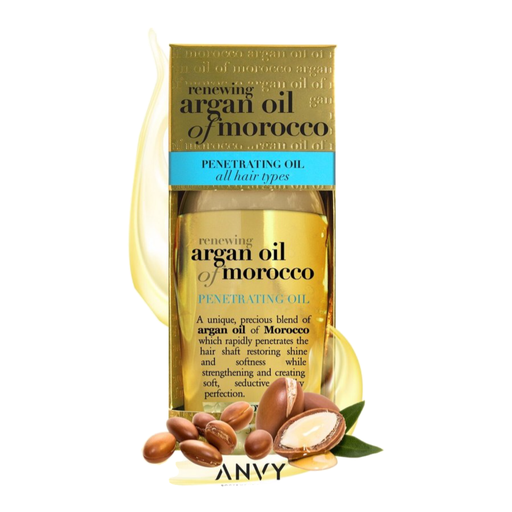
Why This Fits Their Persona: Perfect for those seeking an effective and affordable hair oil that combats frizz and adds shine without the premium price tag. A great entry point into the world of argan oil.
This oil focuses on the benefits of argan oil but is formulated to absorb quickly. This helps it avoid the pitfall of many cheaper, thick oils that weigh the hair down.
Offers hydration and protection against UV damage, according to the brand, making it a great all-rounder for daily use on dry hair.
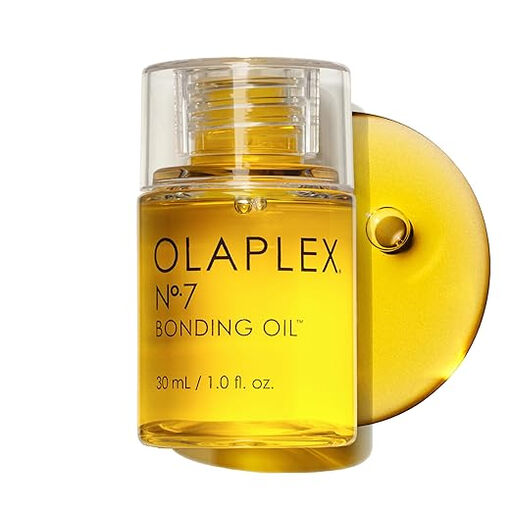
Why This Fits Their Persona: Ideal for those investing in repairing chemically treated, coloured, or heat-damaged hair and looking for a product that does more than just soften.
Instead of just applying a cosmetic layer, this formula contains Olaplex's patented ingredient, Bis-Aminopropyl Diglycol Dimaleate, to support the hair structure. It's a concentrated hair serum, not a simple oil.
Highly concentrated (a little goes a long way), provides heat protection up to 232°C (450°F), and is focused on strengthening hair from within, according to the manufacturer.
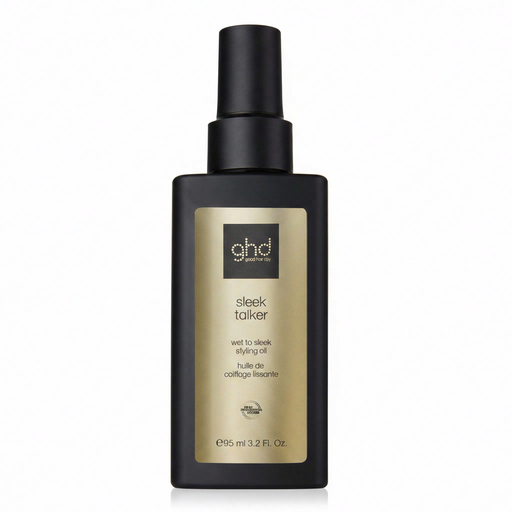
Why This Fits Their Persona: Specifically designed for users of flat irons, hair dryers, and curling wands who seek maximum smoothness and protection for a long-lasting, professional result.
This is not a general 'nourishing' oil, but a styling oil. The formula is focused on creating a weightless thermal protective layer that seals the hair cuticle, preventing frizz caused by heat.
Combines the benefits of argan oil with a formula that, according to ghd, provides up to 72 hours of smoothness and frizz control when used with their styling tools.
We have compiled a complete, up-to-date list of products that meet these selection criteria and comply with local regulations.
Always start with a small amount, like one or two drops. Rub the oil between your palms to warm it up, then distribute it evenly through the lengths and ends of your hair. Avoid the roots to prevent a greasy scalp. You can apply it to towel-dried hair before styling, or on dry hair to tame frizz and add shine.
If you choose the right oil for your hair type and use the correct amount, hair oil shouldn't make your hair greasy. Fine hair benefits from a very light, fast-absorbing formula, while thicker hair can handle a richer oil. The secret is to apply the product only to the lengths and ends, where the hair is driest.
The terms are often used interchangeably, but there is a subtle difference. A traditional hair oil consists mainly of natural oils and is focused on nourishment and hydration. A hair serum is often a silicone-based formula designed for a specific cosmetic purpose, such as smoothing the hair cuticle, adding extreme shine, or providing heat protection. Nowadays, many products contain a mix of both.
