
Vandaag of morgen in huis

Kwaliteit gegarandeerd

Welkomstaanbiedingen ontgrendelen: GRATIS bezorging | Tot 80% korting | Gratis 30 dagen JoyPlus-proefperiode
Download de app
A good hair oil can be the difference between a frizzy, dull mess and shiny, healthy locks. But the market is flooded with options, and marketing promises don't make the choice any easier. Many people buy a product that isn't right for their hair type, leaving it feeling heavy, greasy, or simply not nourished enough. Before you invest in a new bottle, it's helpful to understand the most common pitfalls.
To avoid a bad purchase, it's useful to know what to look for. By understanding a few basic elements, you can choose a product that truly works for your hair.
The base of a hair serum or oil largely determines its function.
A combination of both can also be very effective: silicones for outer protection and shine, and oils for deeper nourishment.
Look beyond just the base oils. Specific active ingredients can target particular problems.
A good leave-in oil should do its job without leaving a greasy or heavy feeling. The texture is decisive here.
Pay attention to the directions on the packaging; often, one or two pumps are enough.
Based on objective product features, we have selected a number of popular choices that suit different needs.
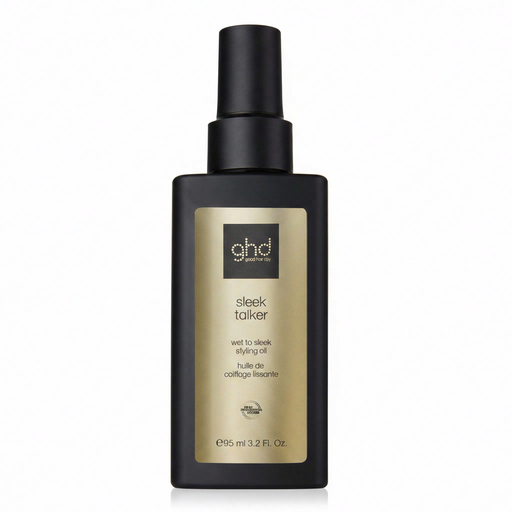
Why This Fits Their Persona: For those who regularly use a hairdryer, straightener, or curling iron, protection is essential. This oil is specifically designed as a styling oil that makes hair smooth and soft while providing a heat-protectant layer.
This product embraces the function of silicones as a protective shield, rather than avoiding them. It's a functional choice that bypasses the "natural" trap by focusing on performance.
Offers heat protection and long-lasting frizz control (up to 72 hours, according to ghd). The formula with argan oil feels non-greasy.
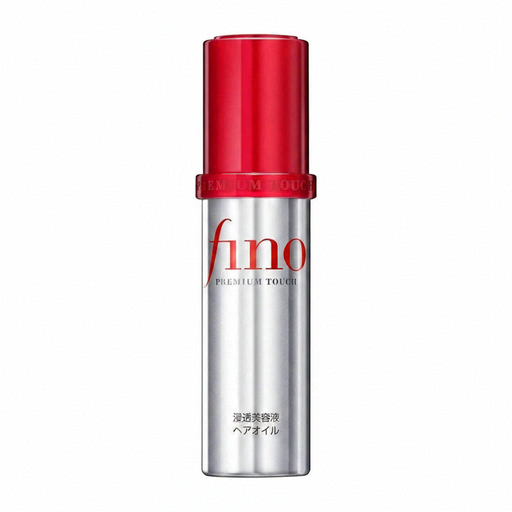
Why This Fits Their Persona: Perfect for those seeking a reliable, lightweight oil for daily use. It tames frizz and provides a silky feel and shine, without a complicated routine.
This product breaks the 'one-size-fits-all' myth by offering a light formula suitable for many hair types, without claiming to be a heavy-duty repair treatment.
The formula is light and nourishing, with argan oil for shine and hydration. It's a versatile product that can be used on both damp and dry hair.
We have compiled a complete, up-to-date list of products that meet these selection criteria and comply with current safety regulations.
Less is often more. Start with one pump for fine or short to medium-length hair. For long or thick hair, you can use two to three pumps. Warm the oil between your palms and distribute it evenly, focusing on the lengths and ends. You can always add more if needed.
Most hair oils are intended for the lengths and ends of the hair, as the scalp naturally produces its own sebum. Applying oil to the scalp can lead to greasy hair and a heavy feeling for some people. However, there are specific oil-based scalp treatments; only use a product on your scalp if the instructions explicitly state to do so.
The key is the right amount and the right application. Always apply the oil from the mid-lengths to the ends, and avoid the roots. Start with a small amount and build up. A lightweight formula, such as a dry oil or a hair serum, is also a good choice if your hair tends to get greasy quickly.
