
Vandaag of morgen in huis

Kwaliteit gegarandeerd

Welkomstaanbiedingen ontgrendelen: GRATIS bezorging | Tot 80% korting | Gratis 30 dagen JoyPlus-proefperiode
Download de app
Dry ends, frizzy hair or a dull appearance are common reasons to buy a hair oil. Yet not every hair oil is the same. Some formulas are mainly intended for shine and styling, while other products are better suited to dry hair, curls or use before blow-drying.
Marketing can sometimes make comparisons difficult. A product might be described as “restorative” or “protective”, without it being clear exactly what it’s for. With these points in mind, you can choose more wisely and avoid a bad purchase.
A nourishing hair oil with multiple oils can be pleasant for thick or porous hair, but fine hair can quickly look limp or greasy. Especially when you apply the oil near the roots, a heavy result is possible.
So look out for:
Not every hair oil automatically provides adequate heat protection for your hair. Some products mention protection against styling heat, but don’t specify a maximum temperature. Other oils are mainly intended as a finishing product after styling.
If you regularly use a hairdryer, curling iron or straighteners, check whether heat protection is explicitly stated in the product description. For example, the Peptide 132 Hair Bonding Oil Serum states that the product is not a substitute for a dedicated spray for very high temperatures.
Words like “repair”, “bond repair” and “reconstruction” often refer to the cosmetic effect: hair can feel smoother, softer or more manageable. Damaged hair ends are not permanently restored to their original state.
So consider what you really need:
A hair oil, hair serum and leave-in hair oil can have similar goals, but feel different. A serum often contains silicones or light emollients to make the hair fibre appear smooth. An oil with multiple plant-based oils can be richer.
Also look at the recommended amount. For some products, one drop is enough, while other formulas advise one to three pumps. Always start with less and only add more if needed.
Argan oil is popular in products for dry or frizzy hair. However, the presence of argan oil alone doesn’t determine how heavy the formula is. The full ingredients list remains important. Silicones such as dimethicone or cyclopentasiloxane can help hair feel smoother and visually reduce frizz.
For fine hair, light serums or sprays are often more practical. Thick, curly or very dry hair can benefit from a richer oil. If you have a sensitive scalp, check for perfume and fragrance allergens such as limonene, linalool or citral.
A leave-in hair oil is often applied to towel-dried hair, so the product can be distributed through the lengths. On dry hair, the same oil usually works as a finishing product for shine, softness or anti-frizz.
Apply oil preferably from the mid-lengths to the ends. The ends are often drier than the roots. Avoid the roots if your hair quickly becomes heavy.
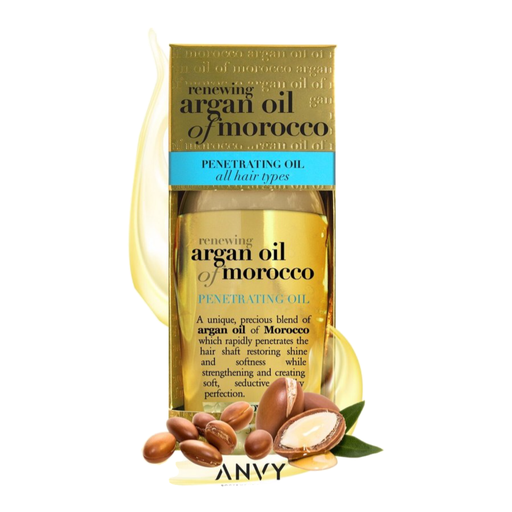
Why this fits the profile: According to the product description, this hair oil is intended for dry hair and can be distributed on towel-dried hair from the lengths to the ends. This makes the usage routine straightforward for anyone using hair oil for the first time.
The instructions mention a small amount and application up to the ends. This reduces the chance of using too much product straight away. The description also mentions protection against styling heat and UV damage; check the packaging for full usage information.
Argan oil; 100 ml content; according to the product description, aimed at hydration, shine and less frizz.
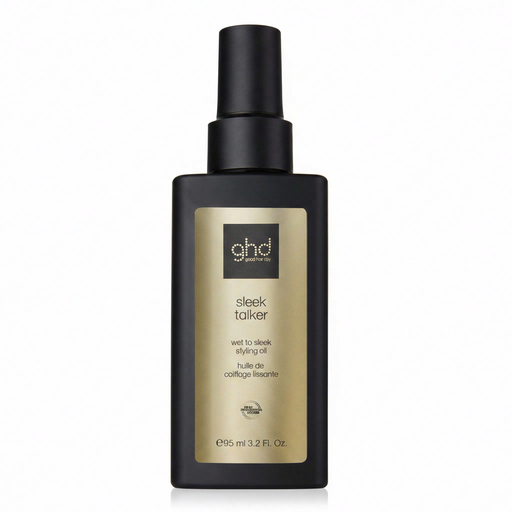
Why this fits the profile: According to the product information, this styling oil is suitable for all hair types and can be used on both towel-dried and dry hair. The dosage is tailored to the moment: two to three pumps on damp hair and one to two on dry hair.
The product description distinguishes between use on wet and dry hair and explicitly mentions heat protection. The stated frizz reduction is a claim from the brand; see the packaging for current details and warnings.
95 ml content; argan oil in the ingredients list; designed to make hair feel smoother and softer.
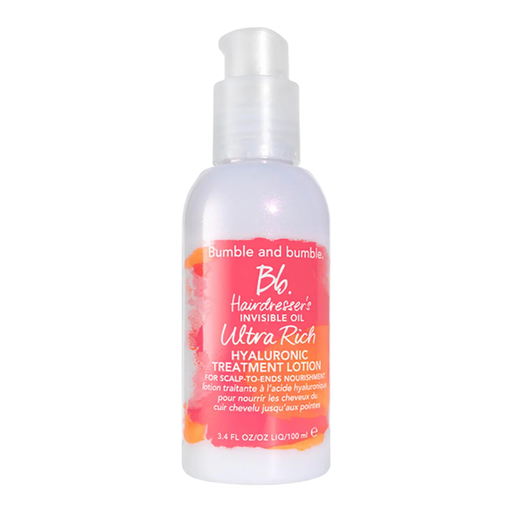
Why this fits the profile: The product information positions this leave-in as a richer formula for dry to very dry hair. According to the description, the product is intended for detangling, hydration, frizz control and use before styling.
The target audience is more clearly defined than with a general hair oil: dry to very dry hair and all textures. The stated heat protection up to 232 °C is a brand claim; use the product only according to the label.
100 ml; leave-in formula; according to the product description, suitable for detangling, moisture and protection against high humidity.
We’ve put together a full, up-to-date list of products that fully meet these strict selection criteria and comply with current European safety regulations.
With a new product, a small amount is sensible. Also check the shelf life after opening, which may be stated on the packaging as, for example, an open jar with a number of months.
Yes, many formulas are specifically aimed at dry, frizzy or damaged hair. The effect is mainly cosmetic: hair can appear smoother, softer and shinier. Choose a richer formula for thick or very dry hair and a light serum texture for fine hair.
Hair oil for split ends can temporarily make the ends feel smoother and reduce the visibility of dryness. Split ends themselves are not permanently repaired. Regular trims and careful handling of heat therefore remain important.
The shelf life varies per product. Check the packaging for the best-before date or the period after opening. Store the bottle closed, in a cool place and out of direct sunlight. Stop using it if there is an unusual smell, change in texture or irritation, and always follow the safety information on the label.
