
Vandaag of morgen in huis

Kwaliteit gegarandeerd

Welkomstaanbiedingen ontgrendelen: GRATIS bezorging | Tot 80% korting | Gratis 30 dagen JoyPlus-proefperiode
Download de app
Dry, frizzy or dull hair may need a different approach from damaged ends. Yet many products look alike: almost every hair oil promises shine, softness and less frizz. That makes choosing difficult. So if you’re looking for the “best hair oil”, it’s better to focus not only on the brand name or packaging, but especially on the formula, usage instructions and suitability for your own hair type.
Hair oil can make the surface of your hair feel smoother and give it more shine, without structurally changing damaged hair. Silicones such as dimethicone and dimethiconol are often used to make hair look smoother and help reduce tangles. This can be practical, but it does not automatically say anything about the product’s long-term conditioning effect.
A generous amount is not always better. Fine hair, in particular, can feel heavy, greasy or flat when oil is applied at the roots. Most leave-in hair oils should therefore be used on the lengths and ends. Start with one pump or a few drops, and only add more if needed.
Not every hair oil is automatically a hair oil with heat protection. Check whether this is explicitly stated on the packaging or in the product information. A brand claim is not a universal guarantee for every styling routine. According to ghd’s product description, Sleek Talker Styling Oil is intended to provide thermal protection when using styling tools. OGX Renewing Argan Oil’s product information mentions protection against styling heat and UV damage. Even so, use a hairdryer or straighteners according to the instructions and avoid unnecessarily high temperatures.
First, check where oils and conditioning ingredients appear in the ingredients list. Argan oil for hair, coconut oil, jojoba oil, sunflower oil and macadamia oil are found in various formulas. However, an ingredient name alone does not determine how a product feels; the overall composition and concentration are important.
A light mist or dry oil spreads differently from a rich oil. A spray formula may be more practical for fine or straight hair. Thick, curly or very dry hair may benefit more from a richer texture. Also pay attention to the recommended amount: two to three pumps on towel-dried hair is very different from one or two drops on dry hair.
A 100 ml bottle is handy for regular use at home. A 30 to 50 ml size fits more easily in a wash bag or is suitable if you want to try a formula first. Also check whether the oil can be used on wet, towel-dried or dry hair. Some products are multifunctional, while others are mainly intended as styling products.
The choices below are based on the stated product features, size, usage and ingredients. Brand promises about, for example, reducing frizz, repairing hair or providing protection are not presented as guaranteed results.
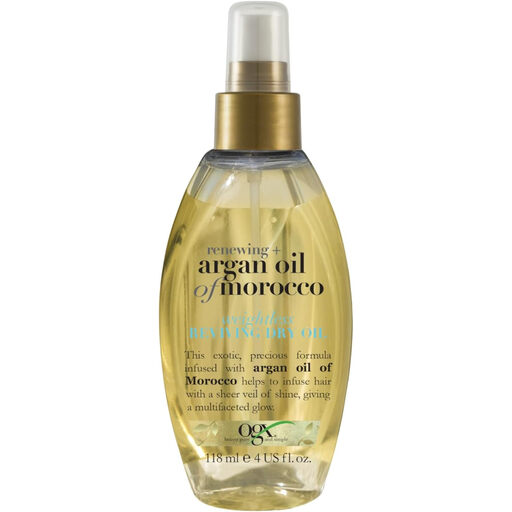
Why it suits this profile: The spray format and 118 ml size are practical for daily use. The product description mentions a lightweight formula for dry lengths and ends.
The instructions recommend using a few drops on towel-dried hair and focusing mainly on the ends for fine hair. This helps prevent overapplication.
118 ml; argan oil in the ingredients list; according to the product information, designed to provide shine, smoothness and heat protection.
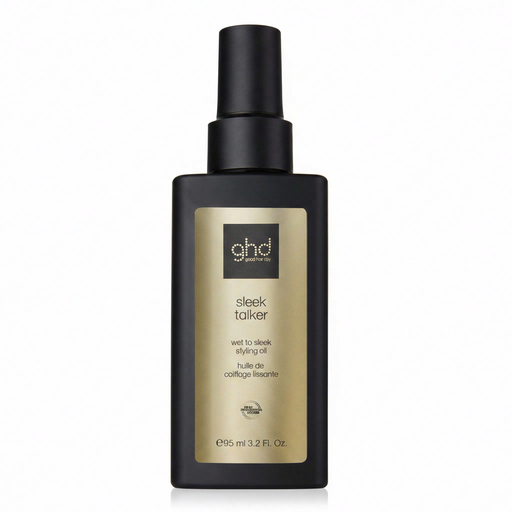
Why it suits this profile: This styling oil is intended for all hair types and lengths, making it suitable if you regularly use a hairdryer or styling tools.
The product information gives separate dosages for towel-dried and dry hair. This allows you to adjust the amount to suit when you’re styling your hair.
95 ml; argan oil; according to ghd’s own product information, a non-greasy thermal protection layer and support for smoother styling.
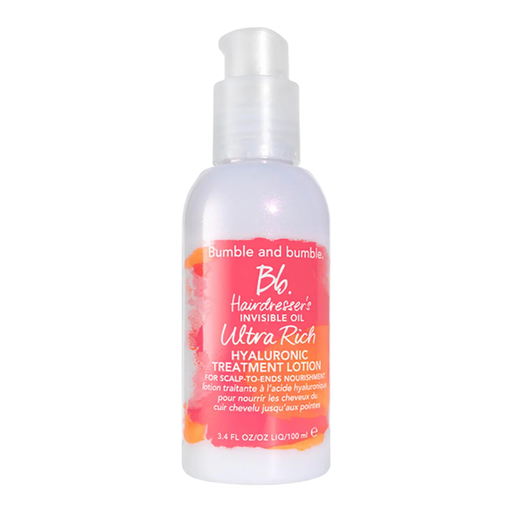
Why it suits this profile: According to the product description, this leave-in lotion is intended for dry to very dry hair and can be used on damp or dry hair.
Application is not limited to the ends: the description mentions detangling, moisture care and use on damp or dry hair. However, check that the rich texture suits your hair.
100 ml; leave-in formula; according to the brand description, heat protection up to 232 °C and support for detangling.
We’ve put together a complete, up-to-date list of products that fully meet these strict selection criteria and the applicable European safety regulations.
An anti-frizz hair oil usually works best when applied sparingly:
Hair oil for split ends can temporarily make the ends look smoother, but split ends cannot be permanently repaired. Regular trims are still necessary when the ends are visibly split. If irritation occurs, stop using the product and follow the safety information on the packaging.
Yes, hair oil for dry hair can help the lengths feel smoother and softer. Choose a richer formula for thick or very dry hair, and a lightweight mist or spray for fine hair. Always start with a small amount.
That depends on the explicit product information. Only choose a hair oil with heat protection when this is stated on the packaging or product page. Also let your hair dry completely before using straighteners, unless the manufacturer gives different instructions.
Follow the expiry date and the period-after-opening information on the packaging. Keep the bottle closed, in a cool place and out of direct sunlight. If the smell, colour or texture changes noticeably, stop using the product.
