
Vandaag of morgen in huis

Kwaliteit gegarandeerd

Welkomstaanbiedingen ontgrendelen: GRATIS bezorging | Tot 80% korting | Gratis 30 dagen JoyPlus-proefperiode
Download de app
Dry hair, frizzy lengths and dull ends do not automatically need the same hair oil. A heavy product can leave fine hair limp, while a formula that is too light may do little for thick or highly porous hair. Terms such as “repair”, “protection” and “72-hour results” may sound appealing, but they only tell you something once you check the ingredients, application and instructions for use.
As a Joybuy Product Recommendation Officer, I therefore focus mainly on practical product information. Below, you’ll discover what to look for in a hair oil, hair serum or leave-in hair oil, and which options suit different hair needs.
A brand may state, based on its own research or product description, that a formula reduces frizz, protects against heat or keeps hair smooth for a long time. This is not a universal guarantee for every hair type. Results depend on factors including the amount of product used, hair length, porosity, humidity and whether you use a hairdryer or straighteners.
Treat claims as indications rather than guarantees. Always check whether the product’s benefits match your goal: shine, styling, detangling, nourishment or heat protection for hair.
With hair oil, more is not automatically better. Fine hair, in particular, can quickly look greasy or weighed down when the product is applied at the roots. Start with one pump or a few drops, and distribute the formula between your palms first. Then apply it mainly to the lengths and ends.
An attractive scent says nothing about whether a product is suitable for dry or damaged hair. Check the full INCI list. Silicones such as dimethicone, dimethiconol and cyclopentasiloxane are often used to make hair feel smoother and reduce friction. Plant oils, such as argan oil, jojoba oil or macadamia oil, can be a nourishing part of a formula. If you are sensitive to fragrance, also check for fragrance ingredients such as limonene, linalool or citronellol.
Choose a lightweight hair oil or hair serum if you have fine, straight or quickly greasy hair. A spray or serum with a thin texture is often easier to distribute evenly. For thick, curly, dry or highly porous hair, a richer nourishing hair oil may be a better fit.
Do not focus only on the word “lightweight”. Also check the instructions for use and recommended amount. A formula that can be used on both damp and dry hair offers greater flexibility for styling and adding a finishing touch.
Not every hair oil is intended for the same step in your routine:
Compare the amount with the recommended dosage. A 30 ml bottle can be practical for a handbag, while 95 to 150 ml may be more appealing for daily use. Capsules or ampoules provide a fixed portion, but give you less flexibility to adjust the amount.
Check the shelf life and period after opening on the packaging. With cosmetics, this information is not always shown in the same format on the product page. Use a product only as directed on the label and stop using it if irritation occurs.
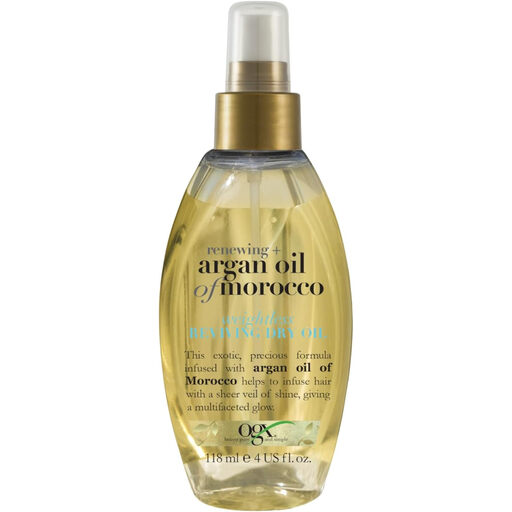
Why it suits this profile: This argan oil for hair is designed for use on towel-dried hair and can easily be distributed through the lengths and ends. The 100 ml size is suitable for regular use.
The product description mentions a lightweight formula and advises those with fine hair to avoid the roots. This helps to limit over-application.
100 ml size, argan oil in the ingredients list and use on towel-dried hair.
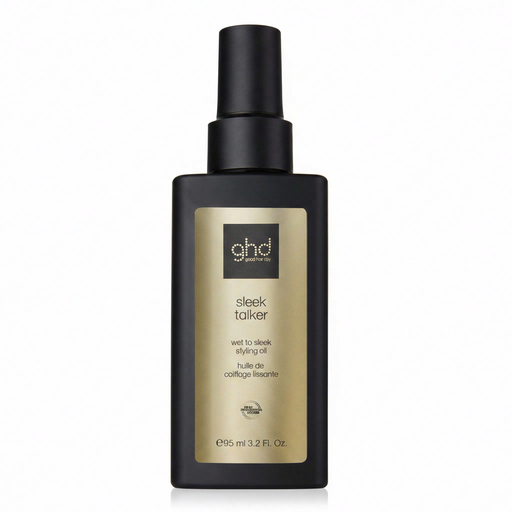
Why it suits this profile: A styling-focused hair oil for anyone who wants to combine smoothing, a softer feel and styling. The product information states that it can be used on wet and dry hair.
The dosage is clearly specified: 2–3 pumps on towel-dried hair and 1–2 pumps on dry hair. According to the product description, the formula contains a thermal protective layer.
95 ml size, argan oil listed as an ingredient and suitable for all hair types according to the product information.
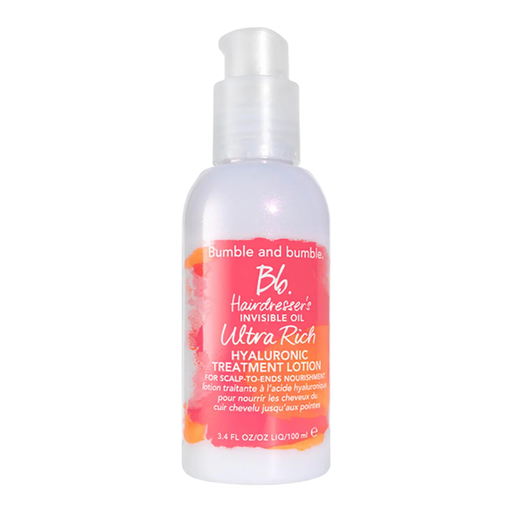
Why it suits this profile: According to the product information, this leave-in hair oil is intended for dry to very dry hair and can be applied to damp or dry hair.
The product information lists several uses, including detangling and heat protection up to 232 °C. Before buying, check that this information matches the packaging.
100 ml, leave-in use and a formula focused on dry to very dry hair according to the product description.
We’ve compiled a complete, up-to-date list of products that fully meet these strict selection criteria and the applicable European safety regulations.
Yes, but choose a lightweight formula and use only a small amount. Apply the oil solely to the ends and avoid the roots. A hair serum or spray may be more practical than a rich oil.
This depends on your hair structure and the formula. Start by using it two to three times a week and assess how your hair feels and looks. Daily use with a small amount may work for dry, thick or curly hair. Always follow the product instructions.
Hair oil can temporarily make split ends look smoother and make brushing easier. A split end cannot be permanently rejoined cosmetically. Trimming is still necessary when the ends are genuinely split.
