
Vandaag of morgen in huis

Kwaliteit gegarandeerd

Welkomstaanbiedingen ontgrendelen: GRATIS bezorging | Tot 80% korting | Gratis 30 dagen JoyPlus-proefperiode
Download de app
Dry, damaged, frizzy or fine hair does not automatically need the same product. Yet many hair masks look alike because of words such as “intensive”, “repair” and “salon quality”. These terms only mean something when you also consider the ingredients, instructions and suitability for your hair type.
If you rely solely on the packaging, you mainly face these three risks:
The right choice is therefore not about finding one universally best hair mask, but about combining hair type, purpose, formula and frequency of use.
A hair mask for dry hair usually focuses on moisture and suppleness. Ingredients such as glycerine, oils and conditioning alcohols can help hair feel softer. Products for damaged hair often contain proteins, keratin-like ingredients or amino acids. This does not automatically mean that the hair will be structurally repaired: such claims depend on the product formula and should not be regarded as medical or permanent results.
Examples:
A purple hair mask, such as a no-yellow formula, contains violet pigment. According to Fanola’s product description, the No Yellow mask is intended to visually neutralise unwanted yellow and warm tones in blonde, bleached, grey or white hair. The recommended leave-in time of 3 to 5 minutes is relevant here. Leaving it on for longer is not automatically better and may affect the colour result.
Do not use a pigment mask as a general moisturising hair mask if you do not have blonde or light-coloured hair. For coloured, dry hair without a need for colour correction, a neutral nourishing formula is usually a better choice.
Do not compare the price alone. Also compare the quantity in millilitres or grams, the recommended frequency of use and the leave-in time. A product that needs to be left on for 5 to 10 minutes once a week requires a different routine from a liquid mask that, according to the product information, should be rinsed out after 8 seconds.
Also consider:
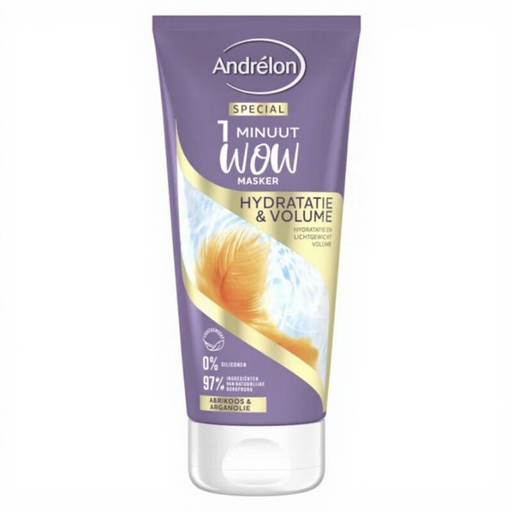
Why it suits this profile: An accessible choice for dry or lifeless hair that could also benefit from a little extra lightness and body. The recommended leave-in time is approximately 1 minute.
The short leave-in time prevents a busy routine from making the use of a hair mask unnecessarily complicated. The product information mentions hydration and volume for fine or dry hair.
180 ml; according to the product information, with coconut oil and without silicones, parabens or colourants.
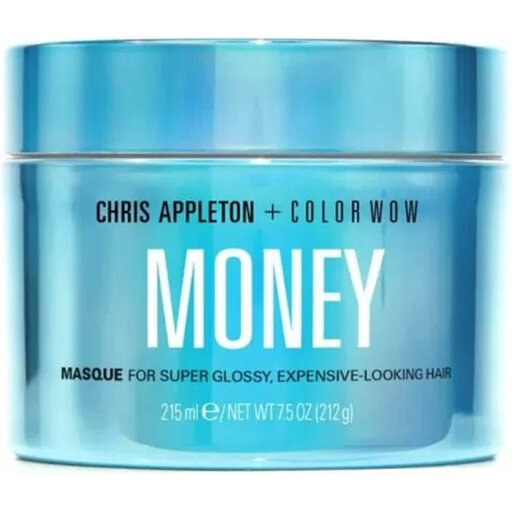
Why it suits this profile: Suits users looking for a weekly treatment for dry, damaged or frizzy hair, while also placing importance on a lightweight formula.
The product description specifies use once a week or every three washes. This makes the intensity of the routine clearer than a vague claim about daily repair.
215 ml; according to the product information, with keratin, argan oil and silk proteins, and described as vegan and sulphate-free.
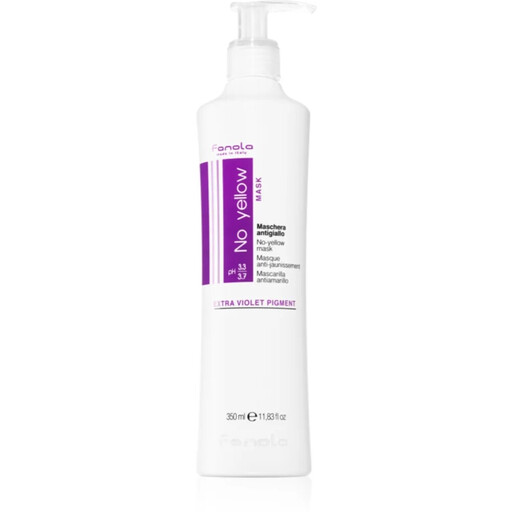
Why it suits this profile: For blonde, bleached, grey or white hair where colour maintenance and conditioning go hand in hand.
The purple pigment function and target audience are clearly stated. This makes it less likely that you will buy a colour-correcting mask when you are only looking for hydration.
350 ml; violet pigment; recommended leave-in time of 3 to 5 minutes; intended to neutralise yellow and warm tones.
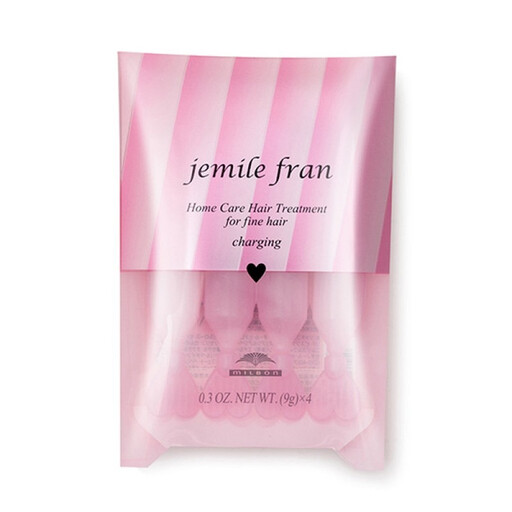
Why it suits this profile: The product information specifically mentions fine hair and a formula containing panthenol, keratin protein, arginine and polyquaternium-7.
The target audience is described more specifically than for masks for all hair types. However, always check the full ingredients list and fragrances if you are sensitive to them.
Targeted at fine hair; contains panthenol, keratin protein and arginine; intended as a nourishing treatment.
Wash your hair with shampoo first, then squeeze out any excess water. Next, distribute the mask through the mid-lengths and ends. If you have fine hair, avoid applying it generously to the scalp unless the product instructions specifically recommend this. Follow the stated leave-in time and rinse thoroughly.
When trying a new product, start with a small amount. If your hair feels heavy, greasy or limp, use less product or leave more time between applications. Stop using the product if irritation occurs. Avoid contact with the eyes and follow the safety information on the packaging.
We have put together a complete, up-to-date list of products that fully meet these strict selection criteria and the applicable European safety regulations.
It depends on the formula and the condition of your hair. Many intensive products are designed for use once or twice a week. A lightweight option can sometimes be used more often, but always follow the instructions on the packaging. Using a rich mask too frequently can weigh down fine hair.
Often, but the focus differs. Dry hair mainly needs conditioning and moisture, while damaged hair often benefits from a formula containing proteins or keratin-like ingredients. You can alternate between products if necessary, and pay attention to how your hair feels after rinsing.
Check the symbol on the packaging, such as 6M or 12M. This indicates the recommended number of months after opening. Store the product tightly closed in a cool, dry place, and do not use a mask if its smell, colour or texture has clearly changed.
