
Vandaag of morgen in huis

Kwaliteit gegarandeerd

Welkomstaanbiedingen ontgrendelen: GRATIS bezorging | Tot 80% korting | Gratis 30 dagen JoyPlus-proefperiode
Download de app
Dry hair, frizzy ends or hair that looks dull after colouring and blow-drying: a hair mask can be a practical addition to your regular hair care routine. However, not every product suits every hair type. A rich formula can weigh fine hair down, while a lightweight mask may not provide enough care for heavily damaged lengths.
As a Joybuy Product Recommendation Officer, I filter product information by hair type, volume, frequency of use and ingredients. This helps you see more quickly which hair masks fit your routine and which marketing claims you should take with a pinch of salt.
A hair mask offer or value pack may look appealing, but always compare the price per 100 ml or gram. A multi-pack makes sense mainly when you use the product regularly, share it with housemates, or already know the formula works for your hair. For a first try, a 25 ml, 125 ml or 180 ml pack can mean less waste.
Damaged hair fibres cannot heal in the same way skin can. Ingredients such as conditioners, oils, proteins and silicones can temporarily make hair feel smoother, softer and easier to comb through. So treat claims as a cosmetic effect and look for verifiable details like ingredients, volume and usage instructions.
When a brand talks about repair, shine or hydration, that's a claim made by the manufacturer. According to the brand's own research or product information, the product may, for example, help with a softer or smoother feel; that's not a universal guarantee for every head of hair.
Coconut oil, argan oil, keratin, camellia oil and silicones are common in hair masks. Their presence alone doesn't tell you which formula is right for you. Fine hair can feel heavier more quickly with a rich oil formula, while dry or thick hair may actually benefit from a fuller texture. Also check for fragrance and known allergens if you're sensitive to them.
First, choose the problem you want to tackle:
A pot of 180 to 230 grams is suitable for regular use, but consumption varies depending on hair length and thickness. A 300-gram pot gives you more product per pack, while a 6-pack or 3-pack is especially worthwhile if you have a fixed weekly routine.
Also check the leave-in time. Some masks are designed for one minute, others for three to five minutes or five to ten minutes. Leaving it on longer than the pack suggests doesn't automatically give better results.
Check the full ingredients list on the packaging. Pay attention to:
Use a hair mask only externally, avoid contact with the eyes and stop if irritation occurs. Always follow the current instructions on the packaging.
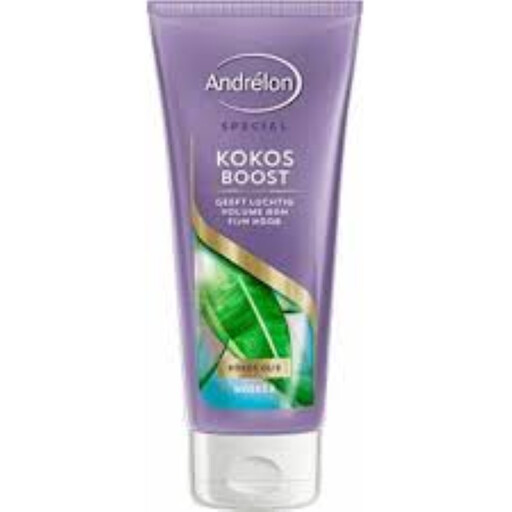
Why this fits the profile: The 180 ml volume and the stated leave-in time of 3-5 minutes make this an easy choice for anyone wanting to try hair masks. The product description focuses on fine hair and a lightweight feel.
The product information lists concrete volume, ingredients and usage steps. So you don't have to rely solely on the term "volume boost".
180 ml; coconut oil in the ingredients list; according to the product description, free from parabens, silicones and colourants.
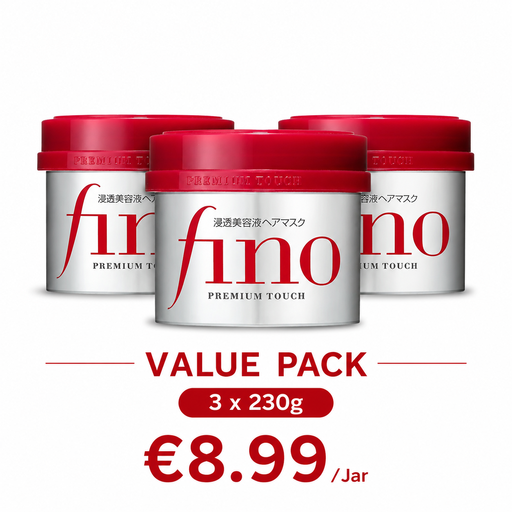
Why this fits the profile: The value pack contains three pots of 230 grams. According to the product description, the mask is aimed at dry, frizzy and damaged hair and is designed for use once or twice a week.
The volume per pot and the recommended use are clearly stated. Do check whether a rich formula suits your hair before buying a multi-pack.
Three packs of 230 grams; sorbitol, dimethicone and amodimethicone among the ingredients listed; product origin Japan according to the product data.
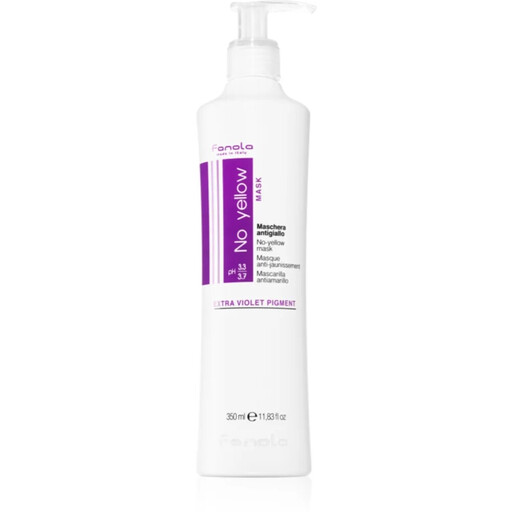
Why this fits the profile: This isn't a general hydrating hair mask, but a specific option for blonde, bleached, grey or white hair. According to the product information, the purple pigments are designed to visually neutralise yellow and warm tones.
The target audience and application time are specifically stated. So don't use it as a standard mask if you don't need to tone down unwanted yellow tones.
350 ml; purple pigments; recommended application time of 3-5 minutes; suitable according to the product data for blonde, bleached, grey and white hair.
We've put together a full, up-to-date list of products that fully meet these strict selection criteria and comply with current European safety regulations.
A hair mask is usually used once or twice a week, unless the packaging advises otherwise. With coloured hair, you can alternate a specific colour mask with a regular hydrating or repairing hair mask.
For many products, once or twice a week is a practical starting point. Dry and thick hair can sometimes tolerate more frequent care, while fine hair feels heavier more quickly. Follow the instructions on the packaging and adjust the amount to your hair length.
Yes, but choose a light formula where possible and use a small amount from the mid-lengths downwards. Products specifically described for fine hair, such as a volume or lightweight formula, can be a better fit than a very rich intensive hair treatment.
Check the packaging for the shelf life and the period after opening. Some products, for example, show a symbol for 12 months after opening. Store the pot or tube in a cool, dry place away from direct sunlight and close the packaging properly.
