
Vandaag of morgen in huis

Kwaliteit gegarandeerd

Welkomstaanbiedingen ontgrendelen: GRATIS bezorging | Tot 80% korting | Gratis 30 dagen JoyPlus-proefperiode
Download de app
Dry hair, split ends and frizz do not automatically call for the most expensive tub on the shelf. The difference usually comes down to the combination of hair type, ingredients, processing time and frequency of use. If you rely solely on phrases such as “intensive repair” or “salon quality”, you could end up buying a product that is too heavy for fine hair or does not provide enough care for seriously damaged lengths.
This guide from the Joybuy Product Recommendation Officer helps you compare hair masks using verifiable product information. That way, you can make a more informed choice between a hair repair mask, hydrating hair mask or nourishing hair mask that suits your routine.
Brands use terms such as “repair”, “bond repair” and “up to 5x repair”. Such wording often comes from the product description or the brand’s own research. It is not a guarantee that damaged hair will be permanently repaired. Once hair has split, it cannot grow back together. However, a mask can temporarily make hair feel smoother, softer and easier to comb.
So pay attention to the actual ingredients and instructions for use, rather than just the front of the packaging.
Coconut oil, silicones, oils and proteins can be useful for dry or treated hair, but a rich formula can leave fine hair feeling limp or weighed down. You should therefore usually apply a hair mask from the mid-lengths down to the ends. Avoid the scalp unless the product information specifically says that it is suitable.
For fine hair, a short processing time, lightweight texture and limited amount are often more practical than a very thick cream.
A hair mask for blonde hair, such as a purple-pigmented No Yellow mask, has a different purpose from a standard hair repair mask. According to the product description, the purple pigments are intended to visually neutralise yellow or warm tones. Using it too often or leaving it on for too long can affect colour intensity. Follow the recommended processing time and, if in doubt, test it on a small section of hair first.
First, distinguish between the main needs:
Product claims such as “salon-grade”, “professional hair care” or “deep repair” should be understood as the brand’s positioning. Always check the ingredients list, quantity and instructions on the packaging.
A hair mask with keratin or other proteins may be suitable for hair that feels porous, fragile or chemically treated. Masil, for example, lists hydrolysed collagen and hydrolysed collagen silk protein. Andrélon Intense Repair lists keratin. According to the product descriptions, these formulas are designed to smooth, condition or strengthen; the precise effect varies depending on the condition of your hair.
A hair mask with coconut oil may be appealing for dry hair, but here too, results vary from person to person. According to the product information, Andrélon Kokos Boost was developed for fine hair and contains coconut oil. According to its description, OGX Coconut Miracle Oil is intended for dry, damaged and dull hair.
Fanola No Yellow contains purple pigments for blonde hair. According to the product page, L’Oréal Professionnel Blondifier is intended for blonde hair types and contains açai extract and polyphenols. These products therefore have a more specific purpose than a universal nourishing hair mask.
A mask that needs to be left on for five to ten minutes is better suited to a weekly routine. If you are short on time, products with a shorter treatment time are more practical:
Also compare the quantity. A 25 ml pack, such as the Herbal Essences Argan Oil Repair Concentrate mask, is suitable for taking away or trying out. A 300 ml pack or multipack may offer better value if you use it regularly, but only if the formula suits your hair.
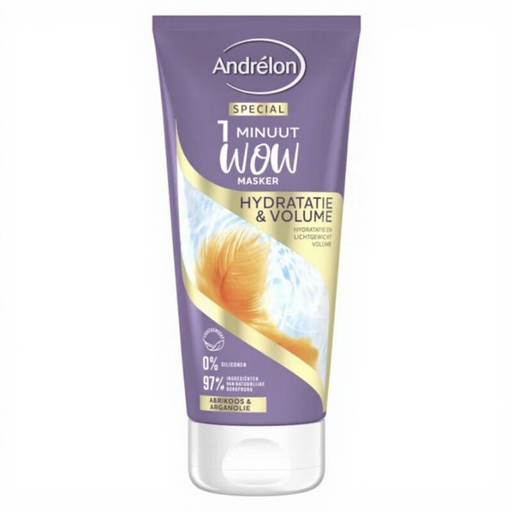
Why it suits this profile: The 180 ml pack and short application time are ideal for anyone who wants an easy introduction to using a hair mask for dry, fine hair.
The product information mentions hydration and volume for fine hair, rather than making only a general repair claim.
According to the product details, the mask contains coconut oil, argan oil and 97% ingredients of natural origin.

Why it suits this profile: This Japanese hair mask is designed for a weekly routine for dry, frizzy or damaged hair.
Using it once or twice a week helps prevent you from applying a rich mask every day.
230 g quantity; the ingredients list includes sorbitol, behentrimonium chloride and amodimethicone, among others.
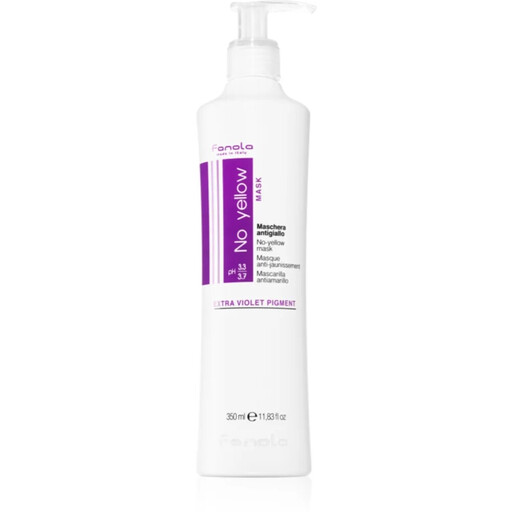
Why it suits this profile: This mask is designed for blonde, bleached, grey or white hair where colour correction is a specific part of the routine.
The purple pigments make it clear that this is not a neutral daily mask, but a product for unwanted yellow or warm tones.
350 ml quantity; according to the product information, it contains extra violet pigment and the formula is silicone-free.
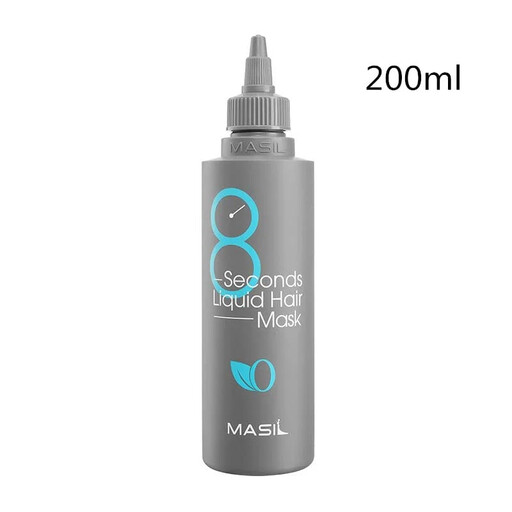
Why it suits this profile: The stated eight-second processing time is ideal for busy mornings or a quick shower.
The product description states a specific application time and describes a transparent essence that becomes creamy when applied.
200 ml quantity; the ingredients list includes hydrolysed collagen and collagen silk protein, among others.
We have put together a complete, up-to-date list of products that fully meet these strict selection criteria and the applicable European safety regulations.
Before buying, also check the ingredients list for fragrance or known allergens if you are sensitive to them. Product information and formulations can change; the packaging remains the most up-to-date source.
That depends on the formula and the condition of your hair. A rich hair repair mask is often used once a week. Some lightweight masks can be used more frequently according to the instructions. Look out for signs such as limp, greasy or coarse-feeling hair, and reduce the amount or frequency when necessary.
Not every mask is designed for this. Products with a short processing time can be practical, but always follow the manufacturer’s instructions. A hair mask for dry or damaged hair is often more concentrated than a regular conditioner and therefore does not need to be used every day.
An anti-frizz hair mask can temporarily leave hair feeling smoother and easier to manage through conditioning ingredients, oils or silicones. The effect depends on humidity, hair texture, styling and damage. For curly, frizzy hair, it is best to use a small amount and focus mainly on the ends.
