
Vandaag of morgen in huis

Kwaliteit gegarandeerd

Welkomstaanbiedingen ontgrendelen: GRATIS bezorging | Tot 80% korting | Gratis 30 dagen JoyPlus-proefperiode
Download de app
A hair mask can be a useful addition to your haircare routine, but not every product suits every hair type. A rich mask can leave fine hair limp, while a lightweight formula may not provide enough care for dry or damaged hair. If you rely solely on words such as “repair”, “shine” or “deep care”, you risk spending money on a product that does not work comfortably within your own routine.
The main pitfalls when choosing hair masks are:
A hair mask for dry hair often contains caring ingredients such as oils, glycerine or butters. These can leave hair feeling smoother and softer. For frizzy or coarse hair, formulas with conditioning ingredients and oils are often practical.
A hair mask for damaged hair regularly features keratin, proteins, amino acids or silicones on the ingredients list. According to product descriptions from various brands, these ingredients are intended to care for the hair surface and improve manageability. However, check that your hair does not feel weighed down or stiff after use.
A hair mask for coloured hair is generally designed to support softness, shine and colour care. Claims about how long colour remains visible should be treated as brand claims. For example, Andrélon states that, according to its own research, colour can remain vibrant for up to 12 weeks. The actual result depends partly on the dye, how often you wash your hair, heat exposure and the condition of your hair.
An intensely nourishing hair mask containing shea butter, argan oil or silicones may be suitable for thick, dry or frizzy hair. A lighter formula may feel more comfortable on fine hair. Ideally, apply a rich mask only to the lengths and ends, rather than directly to the scalp.
Also look out for:
Ingredients lists may change between packaging or product versions. Always check the label on the product you receive.
A hair mask is usually applied to damp hair after washing. The processing time varies from around one to ten minutes among the products available. A shorter processing time is convenient when you are short on time, while a mask designed for once or twice a week is better suited to a more extensive care routine.
Also compare the size:
The search term hair603 mask may refer to various product results. Therefore, do not look only at the name. Check the size, target audience, ingredients and usage instructions before buying a hair mask.
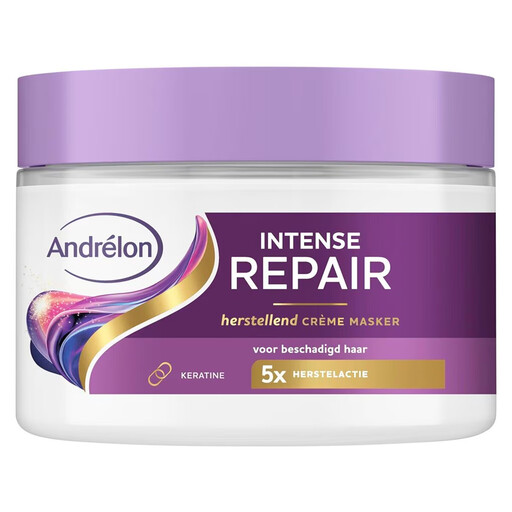
Why it suits this profile: With a size of 300 ml and a stated processing time of 4-5 minutes, this is a straightforward choice for anyone looking to add a repairing hair mask to their routine.
The product information clearly states the size, the inclusion of keratin and the processing time. According to Andrélon's own research, the formula can provide up to 5x repairing action in 5 minutes; treat this as a brand claim, not a guaranteed result.
300 ml; keratin in the formula; clear instructions to apply it to the lengths and ends.
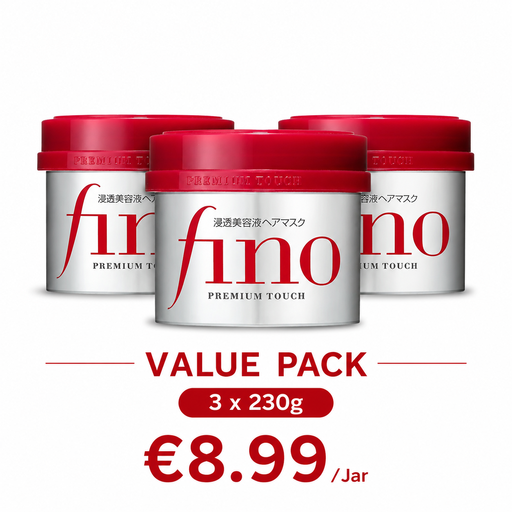
Why it suits this profile: This value pack of three tubs is suitable for adults with dry, frizzy hair or hair affected by styling and colouring, who use a mask weekly.
The packaging states a recommended frequency of once or twice a week. This makes it clear that the mask is not intended to replace a daily conditioner.
Three 230 g tubs; the product description mentions ingredients such as royal jelly EX and Lipudure.
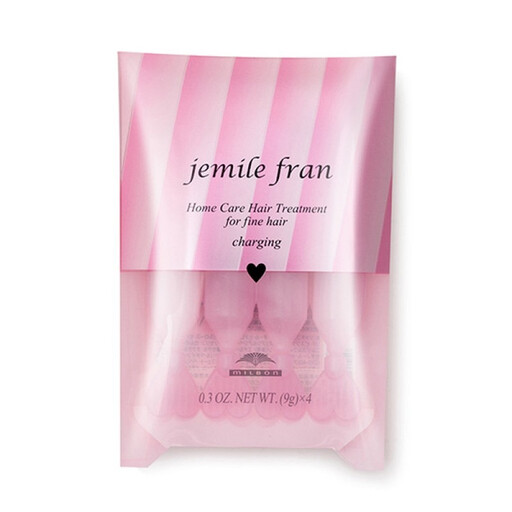
Why it suits this profile: The product information specifically mentions fine and soft hair. This makes it a relevant option for anyone looking for a hair mask for fine hair while aiming to avoid extra weight.
The target audience is clearly stated, so you do not have to rely solely on general terms such as “for all hair types”.
According to the product information, it contains panthenol, keratin, arginine and polyquaternium-7; the formula is fragranced.
We have put together a complete, up-to-date list of products that fully meet these strict selection criteria and the applicable European safety regulations.
Usually use a rich mask once or twice a week, unless the product packaging states otherwise. If you have fine hair, start with a smaller amount of product. For coloured hair, you can combine it with a mild shampoo and conditioner from the same range, but this is not essential.
For most intensive hair masks, once or twice a week is a practical starting point. Dry or thick hair may sometimes benefit from more frequent extra care, while fine hair can feel weighed down more quickly. Always follow the instructions on the label.
Look for a formula with conditioning ingredients, oils or silicones that make hair feel smoother. A hair mask for frizzy hair reduces visible and tactile frizz cosmetically, but the effect may fade after washing. Apply it mainly to the lengths and ends.
No. It is particularly useful when your coloured hair feels dry, coarse or difficult to comb. Check the ingredients and recommended frequency of use. Colour-retention claims come from the brand; your own washing routine and the condition of your hair also affect the result.
