
Vandaag of morgen in huis

Kwaliteit gegarandeerd

Welkomstaanbiedingen ontgrendelen: GRATIS bezorging | Tot 80% korting | Gratis 30 dagen JoyPlus-proefperiode
Download de app
A hair mask can temporarily leave dry, frizzy or lacklustre hair feeling softer and easier to comb. However, not every mask is suitable for every hair texture. A rich product can weigh fine hair down, while a lightweight formula may not be enough for severely damaged lengths.
So don’t just look for words such as “intensive”, “repair” or “professional”. Pay particular attention to the hair type, ingredients, size and recommended leave-in time. This will help you avoid paying for a large pack that ultimately sits unused in the bathroom.
Brands use terms such as “repairing”, “volume” and “up to several times more care”. These descriptions do not automatically indicate how your hair will respond. According to Andrélon’s own research, a colour mask can help maintain colour shine for a certain period; this is a brand claim, not a guarantee for every hair type.
So look at the specific information: is the mask intended for dry hair, coloured hair, fine hair or bleached hair? A hair mask for damaged hair often contains conditioning agents, oils or proteins, but the concentration and composition vary from product to product.
Coconut oil, silicones, butters and rich oils can create a pleasantly smooth feel. However, on fine or lacklustre hair they can also feel heavy if you use too much or apply the mask to the roots. For fine hair, it is better to choose a volume hair mask or a lightweight hydrating hair mask, and work from the lengths towards the ends.
A purple hair mask or silver shampoo mask contains pigments that can visually neutralise unwanted yellow or warm tones. It is not a standard nourishing hair mask. Check the application time carefully: leaving it on for longer can temporarily make the colour look stronger or cooler. For example, Fanola recommends a leave-in time of 3 to 5 minutes for its No Yellow mask.
Match the product description to your main need:
Read the ingredients list if you are sensitive to perfume or certain fragrance ingredients. Various products, for example, list linalool, coumarin or other perfume components. A product containing coconut oil is not automatically suitable for everyone; the overall formula and amount of product used also determine how the hair feels.
If you deliberately want to avoid silicones, parabens or sulphates, check the product specifications for each item. These properties vary within the same product category. Andrélon Kokos Boost, for example, is described as being free from parabens, silicones and colourants, while other masks do contain silicones to create a smoother feel.
A 300 ml tub may seem good value, but a small 25 ml mask can be more convenient to try first. Also check the recommended amount and leave-in time:
Usually apply a mask to damp hair, from the middle of the lengths down to the ends. Avoid the scalp unless the packaging explicitly states that the product is intended for this area. Rinse thoroughly and always follow the instructions on the packaging.
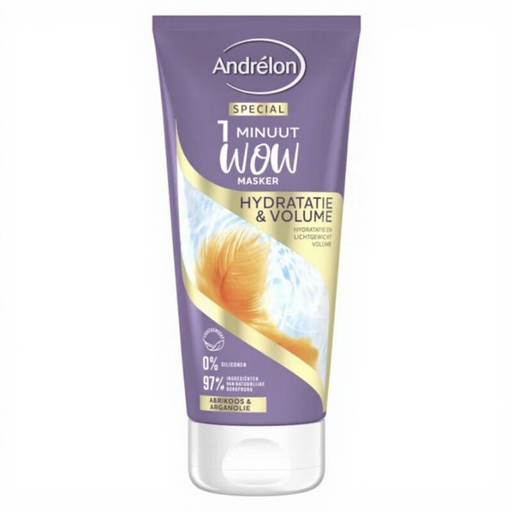
Why it suits this profile: The 180 ml tube is a manageable choice for anyone wanting to try a hydrating hair mask for dry and fine hair without immediately buying a large pack.
The product information states a 1-minute leave-in time and a silicone-free formula, keeping the routine short while allowing you to check the ingredients beforehand.
Apricot and argan oils, 97% ingredients of natural origin according to the product information, and designed to provide hydration and light volume.

Why it suits this profile: This Japanese hair-care product is designed for dry, frizzy and dull hair and, according to the product information, is used once or twice a week instead of conditioner.
The recommended weekly frequency helps prevent you from using an intensive formula every day. The size and packaging are clearly specified: 230 ml in a tub.
According to the product description, it contains seven conditioning beauty essences; the specifications state that it is suitable for all hair types.
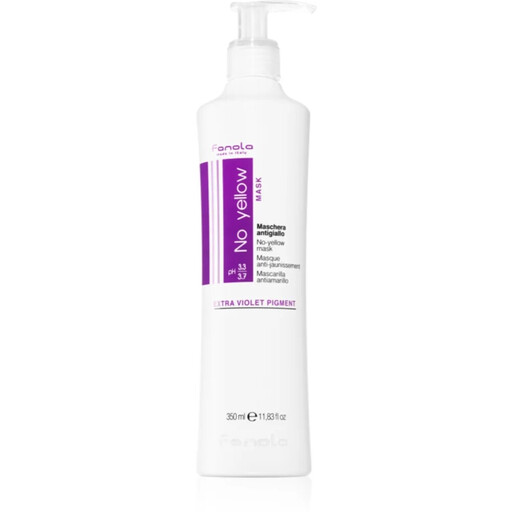
Why it suits this profile: For blonde, bleached, grey or white hair seeking a cooler appearance, this purple hair mask is a targeted option alongside your regular conditioning routine.
The product details clearly specify the purple pigments, target audience and 3- to 5-minute leave-in time. This means you do not need to use an ordinary mask for colour correction.
350 ml size, extra violet pigment and a silicone-free formula according to the product specifications. Avoid contact with the eyes and skin.
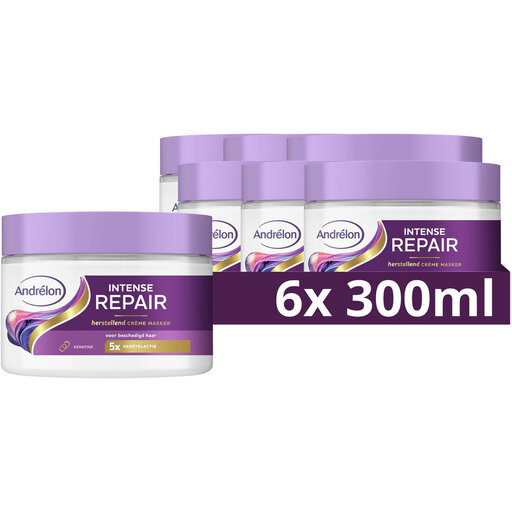
Why it suits this profile: The value pack containing six tubs is ideal for households that use a hair mask for damaged hair several times a week or on an ongoing basis.
The packaging states 6 x 300 ml and the instructions recommend 4 to 5 minutes. This makes it easy to assess the choice in terms of stock, size and routine.
Contains keratin according to the product description, with 1,800 ml total volume and application to the lengths, paying extra attention to the ends.
We have put together a complete, up-to-date list of products that fully meet these strict selection criteria and the applicable European safety regulations.
A hair mask does not usually replace your entire routine. Conditioner is often intended for more regular use, while a rich mask can be used once or a few times a week. For coloured hair, a colour-protecting mask such as Andrélon Levendige Kleur is a different choice from a purple pigment mask for blonde or grey hair.
That depends on the formula and the condition of your hair. An intensive nourishing hair mask is often used once or twice a week. Always follow the instructions on the packaging. Using too much product or applying it too frequently can make fine hair feel heavy.
Not as a rule. Many masks are intended for the lengths and ends. Do not apply them to the roots unless the manufacturer explicitly states that you can. Also check the warnings, avoid eye contact and rinse immediately with water if contact occurs.
Check the expiry date, batch information and the open-jar symbol showing the period of use after opening on the packaging. Some products, for example, specify a period after opening. Store the mask in a cool, dry place, close the packaging securely and do not use the product if its smell, colour or texture has clearly changed.
