
Vandaag of morgen in huis

Kwaliteit gegarandeerd

Welkomstaanbiedingen ontgrendelen: GRATIS bezorging | Tot 80% korting | Gratis 30 dagen JoyPlus-proefperiode
Download de app
A good hair mask can be the difference between dull, lifeless hair and a healthy, vibrant mane. But the shelves are packed with jars and tubes, all promising miracles. How do you know which product will actually work for your hair and which products you should leave behind? Many products focus on marketing hype that doesn't always solve your specific hair problem.
As a Joybuy Product Recommendation Officer, I'll help you see through the claims. We'll look at the common pitfalls and the specifications that truly matter, so you can make a choice that your hair will thank you for.
Before you make a purchase, it's wise to be aware of a few common marketing traps. This will save you not only money but also disappointment.
To avoid a bad buy, it's smart to look at a few key points. These specifications will give you a clearer idea of what to expect.
The first step is to determine what your hair needs. The terms can sometimes seem similar, but there are clear differences:
A quick look at the ingredients list can be very revealing. Ingredients are listed in order of concentration. Pay attention to the following substances:
Based on clear specifications and different user profiles, we have highlighted a few popular choices.
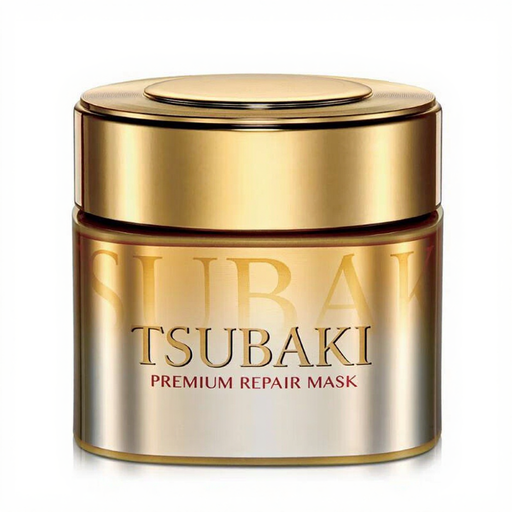
Why This Fits Their Persona: For those who don't have time for long treatments but still want an intensive solution for dry and damaged hair. This mask is designed for fast, deep conditioning.
This product doesn't promise a vague "one-size-fits-all" solution but focuses specifically on repair. According to the manufacturer, it uses a technology that allows nutrients to penetrate deeply without any waiting time, going beyond a superficial effect.
The formula contains a high concentration of Japanese camellia oil, royal jelly extract, and soy protein for nourishment and repair. It is free of sulphates and parabens.
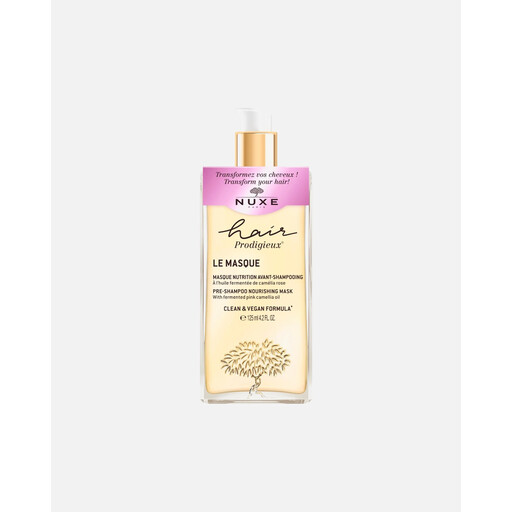
Why This Fits Their Persona: Perfect for those who value formulas with a high concentration of natural ingredients and prefer products without unnecessary additives.
This mask doesn't focus on a single hyped ingredient, but on a complete, nourishing formula. The claim of "98% ingredients of natural origin" is an objective and verifiable feature, not a vague marketing promise.
The formula is based on fermented pink camellia oil, an ingredient known for its intensely nourishing properties. The product is manufactured in France.
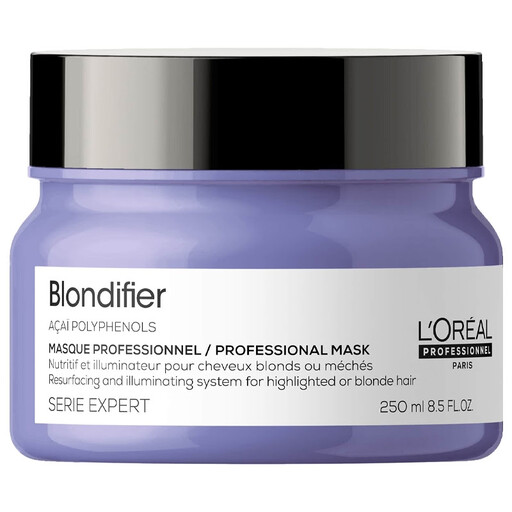
Why This Fits Their Persona: Specifically developed for people with blonde hair (natural or coloured) who want to revitalise their colour while nourishing and smoothing the hair fibre.
This is not a "one-size-fits-all" product. It specifically targets the needs of blonde hair, which requires special care to maintain shine and prevent brassy tones. The focus is on a specific target audience.
The formula is enriched with polyphenols from açaí extract, which are known for their antioxidant properties. This helps to nourish the hair and enhance the radiance of blonde hair.
We have compiled a complete, up-to-date list of products that meet these selection criteria and current regulations.
This depends on the condition of your hair and the type of mask. For an intensive restorative hair mask, once a week is usually sufficient. A lighter, hydrating hair mask can be used twice a week on very dry hair. Always read the instructions on the packaging.
Most hair masks are designed for use on towel-dried hair after shampooing. Shampoo opens the hair cuticles, allowing the mask to penetrate better. Hair that is too wet will dilute the product, while dry hair absorbs the mask less effectively.
A conditioner is intended for daily or frequent use. Its formula is lighter and works mainly on the surface of the hair to detangle and smooth it. A hair mask has a richer, more concentrated formula with ingredients that penetrate deeper into the hair fibre. It is an intensive treatment that you use less frequently to address specific problems like dryness or damage.
