
Vandaag of morgen in huis

Kwaliteit gegarandeerd

Welkomstaanbiedingen ontgrendelen: GRATIS bezorging | Tot 80% korting | Gratis 30 dagen JoyPlus-proefperiode
Download de app
A hair mask can be a useful addition to your regular hair care routine, but not every product suits every hair type. A rich mask can weigh fine hair down, while a light hydrating mask may not provide enough care for heavily damaged or chemically treated hair.
Also watch out for marketing language. Words like “repair”, “premium” and “intensive” don’t mean much on their own. Instead, look at the ingredients, application time, formula and the intended hair type. That way, you won’t end up paying for a product that doesn’t fit your daily routine.
A hair mask with coconut oil, argan oil or keratin sounds appealing, but one ingredient doesn’t determine the full effect of a formula. Where that ingredient sits on the ingredients list, the other conditioning agents and the texture are just as important.
According to the product description, Andrélon Kokos Boost contains coconut oil and is designed to care for fine hair without weighing it down. That makes it a logical choice for a different hair profile than a rich mask for thick, dry or chemically treated hair.
Damaged hair cannot biologically heal itself. A hair mask can temporarily make hair feel smoother, softer and easier to comb through. Claims about repair or strengthening should therefore be read as a description of the cosmetic effect, not as a permanent fix.
According to the product information from the brands themselves, some formulas are designed to smooth the hair fibre, reduce frizz or improve shine. Always check the packaging for the current ingredients and usage instructions.
A 25 ml hair mask may seem cheap, but it’s often a trial or travel size. A 230 ml pot or a hair mask value pack can work out better value per millilitre, especially if you use a mask weekly. So compare the price per 100 ml or per treatment, not just the total price.
First, identify the problem you want to tackle:
A 1-minute hair mask fits well into a busy morning routine. Other masks need to be left on for 3 to 10 minutes, according to the product description. That difference determines whether the product is practical for your bathroom and washing routine.
Consider the dosage. With thick or long hair, you’ll use more per treatment than with short, fine hair. A value pack isn’t automatically a good deal if the formula doesn’t suit you or if the product sits around too long after opening.
Check the ingredients list if you’re sensitive to fragrance or certain scent ingredients. Various hair masks contain fragrance allergens such as linalool, limonene or coumarin. A product with keratin, argan oil or coconut oil may also contain other ingredients that affect the texture and weight of your hair.
Use a hair mask only as directed on the label, avoid contact with the eyes and rinse thoroughly. Stop use if irritation occurs. A hair mask is for external use only and does not replace medical treatment.
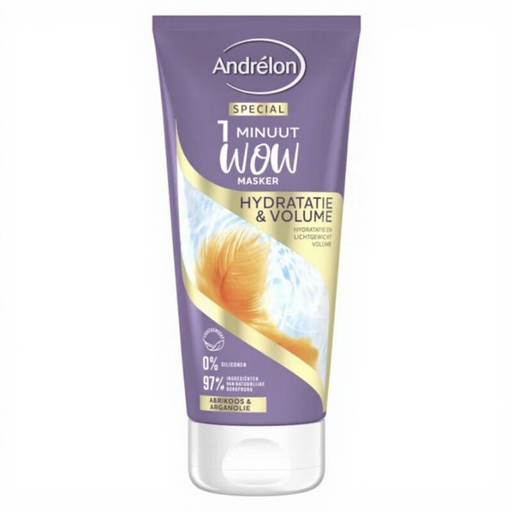
Why it fits this profile: The combination of hydration and volume is practical for dry or lacklustre fine hair. The 180 ml pot is a manageable size for anyone trying a hair mask for the first time.
The product description states the intended hair type and application, so you’re not relying solely on the term “hydrating”.
180 ml; according to the product description, enriched with coconut oil, argan oil and apricot oil; designed for hydration and volume.

Why it fits this profile: Ideal for anyone wanting a richer treatment for dry, damaged, coloured or chemically treated hair and willing to spend a few extra minutes on application time.
The product information clearly states the target audience and recommends use once or twice a week, making daily overuse less likely.
180 g; according to the product description, contains camellia seed oil, royal jelly extract and soy protein; designed for hydration and care.
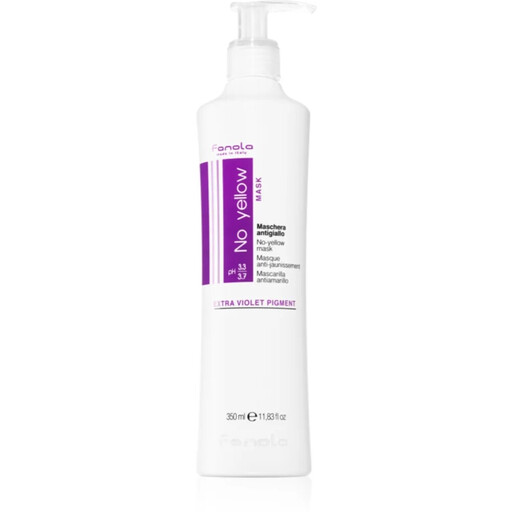
Why it fits this profile: A targeted choice for blonde, bleached, grey or white hair where you want to optically neutralise yellow or warm tones.
The purple pigments make its purpose clear. You wouldn’t use this as a general mask when colour neutralisation isn’t needed.
350 ml; according to the product description, contains violet pigment; recommended usage time of 3 to 5 minutes.
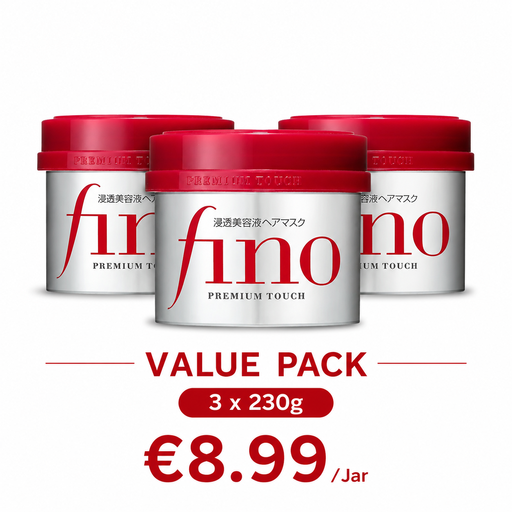
Why it fits this profile: The set contains three pots and suits anyone who regularly uses a hair mask for dry, frizzy or damaged hair.
The number of units is clearly stated. Compare the price per pot beforehand and check that you’ll use the contents within the recommended period.
Three pots of 230 g; according to the product information, intended for use once or twice a week; origin stated as Japan.
We’ve put together a full, up-to-date list of products that fully meet these strict selection criteria and comply with current European safety regulations.
A hair mask with coconut oil can suit fine or dry hair, while a hair mask with argan oil is often chosen for a smoother feel and more suppleness. A hair mask with keratin may be of interest for hair that feels rough due to heat or chemical treatments. However, these ingredients don’t guarantee the same result for everyone.
For many intensive nourishing hair masks, once or twice a week is a practical starting point. Always follow the product packaging. Fine hair can feel heavy more quickly, while dry or thick hair can sometimes tolerate more care.
Look for a hydrating hair mask with glycerine, oils or conditioning ingredients. For frizzy hair, a smoothing formula can help make hair feel temporarily softer. Don’t choose solely based on the name “anti-frizz”; also check the ingredients and usage advice.
That depends on the price per 100 ml, the amount you need per treatment and the shelf life after opening. A value pack is especially worthwhile if you use the product regularly and the formula suits your hair type.
