
Vandaag of morgen in huis

Kwaliteit gegarandeerd

Welkomstaanbiedingen ontgrendelen: GRATIS bezorging | Tot 80% korting | Gratis 30 dagen JoyPlus-proefperiode
Download de app
A hair mask can temporarily make dry, frizzy or coloured hair feel softer and more manageable. However, not every mask is suitable for every hair texture. A rich product can weigh fine hair down, while a lightweight hydrating mask may not provide enough care for severely damaged lengths.
When you search for the “best hair mask”, you will often see promises of shine, repair and salon-quality results. Instead, start by looking at whether it is suitable for your hair type, its ingredients and the usage instructions. This helps you avoid paying for a formula that does not meet your needs.
A hydrating hair mask can make your hair feel more supple, but it does not permanently change the original structure of damaged hair. Products containing conditioners, oils or silicones can smooth the surface. This is useful for the appearance and ease of combing, but it does not guarantee lasting repair.
If you are looking for a hair mask for dry and damaged hair, look for a combination of conditioning ingredients, humectants and suitable usage instructions. Do not expect medical effects, and treat terms such as “bond repair” or “repairing” as cosmetic product positioning. According to the Cosrx product description, the Peptide-132 complex is intended to support damaged keratin bonds; this is a brand claim and not a guaranteed result for every user.
Coconut oil, argan oil, camellia oil and silicones can leave hair feeling smooth. However, a rich formula may feel less comfortable on fine or quickly greasy hair, particularly if you also apply the product close to the scalp.
For fine hair, the Andrélon Kokos Boost is a lightweight hair mask with coconut oil that, according to its product description, has been developed to nourish without feeling heavy. Ideally, apply the mask a few centimetres away from the roots and rinse it out thoroughly.
A hair mask for blonde hair containing purple pigments can visually neutralise unwanted yellow or warm tones. The intensity depends on your hair colour, porosity, processing time and the amount of pigment. Leaving it on for too long or using it too often can create a cool purple or greyish cast.
Follow the instructions on the packaging. Fanola No Yellow specifies a processing time of 3 to 5 minutes. According to Fanola’s product information, the formula contains extra violet pigment and has an acidic pH. This supports its positioning as a colour-care hair mask, but the effect varies from one head of hair to another.
First, decide what you want to improve:
A hair mask for frizzy hair does not automatically need to be a colour mask. The product’s function matters more than the packaging or the promise on the front.
Check the ingredients list before buying a hair mask. Pay particular attention to:
A “silicone-free” or “paraben-free” label alone does not tell you whether a hair mask is right for you. Look at the complete product profile. For example, the available product information states that Tsubaki Premium Repair is offered as sulphate-free and paraben-free, while the Shiseido Fino formula does contain silicones.
A 180 ml jar, a 25 ml tube and a multipack of three jars cannot be compared directly. If necessary, calculate the price per 100 ml and take into account how much product you need for each treatment.
A small size, such as Herbal Essences Hair Mask Repair at 25 ml, is practical for travelling or trying the product first. A 350 ml pack or a multipack makes more sense if you use a mask every week. Also check the recommended processing time: some formulas are designed to be left on for one minute, while others need five to ten minutes.
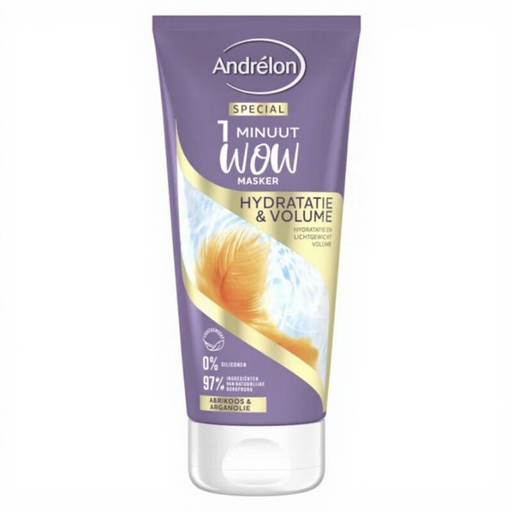
Why it suits this profile: The 180 ml pack and one-minute usage recommendation are well suited to a simple weekly routine. According to the product description, the mask is designed for dry hair and fine hair that needs light hydration and volume.
According to the product information, the formula is silicone-free and contains coconut oil, argan oil and glycerine. Do not apply the product to the roots if your hair tends to fall flat quickly.
180 ml; designed to hydrate and add volume; stated to contain 97% ingredients of natural origin.

Why it suits this profile: This professional-quality hair mask for home use has a rich formula and, according to the description, is intended for dry, damaged, coloured and chemically treated hair.
The recommended frequency is limited to once or twice a week. This makes it easier to avoid using a rich treatment every day.
180 g; contains camellia seed oil, royal jelly extract and soya protein according to the ingredients list; stated to be sulphate-free and paraben-free.
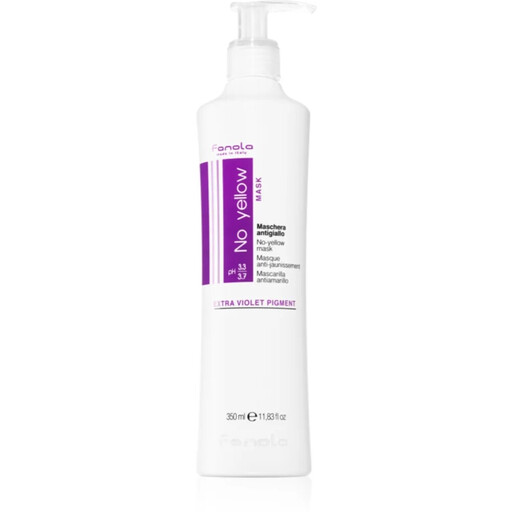
Why it suits this profile: This hair mask for blonde hair is specifically intended for blonde, bleached, grey and white hair. The purple pigments are designed to visually neutralise yellow and warm tones.
The product information clearly states its colour function and short processing time of 3 to 5 minutes. Do not use it as a general hair mask if you do not want to alter unwanted warm tones.
350 ml; extra violet pigment; according to Fanola, formulated with an acidic pH and silicone-free.

Why it suits this profile: According to the product description, this mask is intended for dry, frizzy hair damaged by colouring or styling. The jar format is well suited to regular use.
The usage recommendation is once or twice a week instead of conditioner. This helps prevent you from applying an intensive formula unnecessarily every day.
230 g; intended for all hair types and hair colours according to the product details; shelf life after opening stated as 12 months.
We have put together a complete, up-to-date list of products that fully meet these strict selection criteria and the applicable European safety regulations.
For most intensive hair masks, once or twice a week is a practical starting point. A lightweight mask for fine hair can sometimes be used more often, depending on the label and how your hair responds. If your hair becomes limp, greasy or weighed down, use less product or reduce the frequency.
Many hair masks are applied after washing to damp, towel-dried hair. First remove excess water so that the product is not diluted too much. Usually, distribute the mask through the lengths and ends. Always check the instructions, as some treatments have different recommendations.
Check the expiry date, batch number and open-jar symbol on the packaging. A product marked, for example, “12M”, can be used for twelve months after opening according to the symbol. Store the hair mask in a cool, dry place, close the packaging securely and stop using it if its smell, colour or texture changes.
