
Vandaag of morgen in huis

Kwaliteit gegarandeerd

Welkomstaanbiedingen ontgrendelen: GRATIS bezorging | Tot 80% korting | Gratis 30 dagen JoyPlus-proefperiode
Download de app
A hair mask can be a practical addition to your regular conditioner, especially when your hair feels dry, dull, frizzy or chemically treated. However, not every product suits every hair type. A rich cream can weigh fine hair down, while a lightweight mask may not provide enough care for heavily damaged lengths.
What’s more, the product name doesn’t always tell the full story. So before you buy a hair mask online, pay attention to the ingredients, the amount, how often you should use it, and what the mask is designed to do.
Words like “restorative”, “bond repair” and “salon treatment” sound appealing, but they don’t automatically describe what you’ll experience. According to brand product information, ingredients such as keratin, oils, ceramides or peptides can help hair feel smoother and more manageable. That’s not a medical claim, nor is it a guarantee of repairing permanent hair damage.
So, look closely at:
A hair mask for dry hair often contains oils, silicones or a rich conditioner base. That can be great for thick or porous lengths, but on fine hair it can make your hair feel heavier or limp more quickly. With fine hair, apply the mask mainly from the mid-lengths downwards and avoid the roots.
A 125 ml pot might seem good value, but it can run out quickly on long or thick hair. A multi-pack of three pots isn’t automatically better value if you barely use the product. Compare the amount per pack, the number of units and the recommended amount per treatment. A hair mask offer is particularly worthwhile when the quantity matches how much you’ll actually use.
First, choose the problem you want to tackle:
Ingredients don’t work the same for everyone. A patch test on the skin isn’t meant to predict how it will work on your hair, but it can help you stay cautious if you have sensitive skin. Stop if irritation occurs and avoid contact with the eyes.
An intensive hair treatment doesn’t need to be used every day. Many hair masks are designed for once or twice a week. Other products, such as a one-minute mask, fit better into a busy morning routine.
Always follow the instructions on the packaging. Using too much product or using it too often can make hair heavy, especially if the formula is rich in oils, silicones or proteins.
Check whether your preferences match the product information. Examples include:
Ingredients can be changed by the manufacturer. So use the current packaging as your guide.
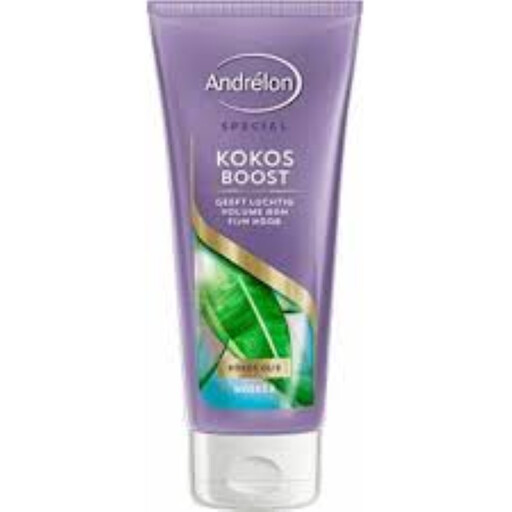
Why this fits the profile: The short leave-in time is handy if you want to try a hair mask quickly without a lengthy routine. According to the product information, this mask is designed for fine hair and contains coconut oil.
The amount and instructions are clearly stated: 180 ml and a 3–5 minute leave-in time. That makes it easier to compare with other budget-friendly options.
Coconut oil, a lightweight volume positioning and a short treatment routine.

Why this fits the profile: According to the product information, this Japanese hair mask is designed for dry, frizzy and damaged hair. The formula contains ingredients including sorbitol, behenyl alcohol and amodimethicone, and is recommended for use once or twice a week.
The recommended weekly application helps prevent overuse. Note: the product information states that this product is not silicone-free.
230 ml content and a clear warning to avoid contact with eyes.
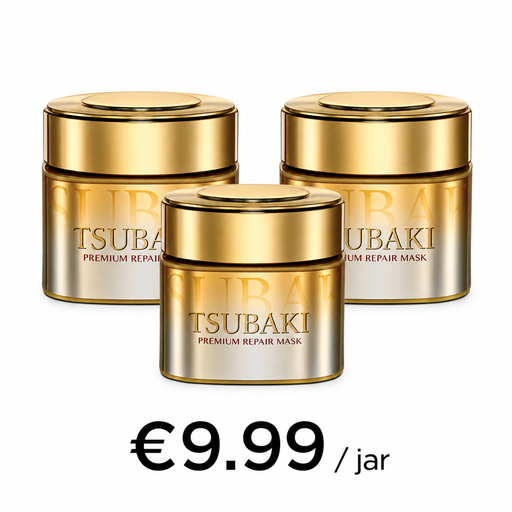
Why this fits the profile: The value pack of three pots is practical for anyone who regularly uses a hair treatment on dry, damaged or frizzy hair.
The three separate packs make the total quantity clear. You can therefore compare the price per pot and per 180 grams.
Three pots of 180 grams each and a usage recommendation of once or twice a week.
We’ve put together a full, up-to-date list of products that fully meet these strict selection criteria and comply with current European safety regulations.
A hair mask doesn’t replace a haircut and won’t permanently fix split ends. However, it can make your hair feel temporarily softer, smoother and easier to comb through.
For most intensive hair masks, once or twice a week is enough. With fine hair, you can start with once a week and see if your hair stays feeling light. Always follow the instructions for the product you choose.
Yes, but choose a formula specifically designed for fine hair or volume. Don’t apply the mask to your scalp, and pay attention to the amount of oil, silicones and heavy conditioners in the ingredients list.
Check the expiry date and the symbol for the period after opening, such as 6M or 12M. Store the product in a cool, dry place, close the packaging properly and use a clean hand to limit contamination.
