
Vandaag of morgen in huis

Kwaliteit gegarandeerd

Welkomstaanbiedingen ontgrendelen: GRATIS bezorging | Tot 80% korting | Gratis 30 dagen JoyPlus-proefperiode
Download de app
A hair mask can temporarily leave dry, frizzy, fine or coloured hair feeling softer and easier to manage. However, not every hair mask is suitable for every hair type. A rich formula can weigh down fine hair, while a lightweight hydrating hair mask may not provide enough care for severely damaged lengths.
If you only pay attention to words such as “intensive”, “salon-quality” or “instant repair”, you may overlook several common purchasing pitfalls.
A hair fibre is not living skin. A hair mask for damaged hair can make the hair’s surface feel smoother and help reduce tangles, but a cosmetic product cannot permanently repair split ends. Claims about repair are therefore often a combination of conditioning, smoothness and an improved appearance.
Pay attention to the instructions for use, the ingredients list and the recommended hair type. A brand’s own research may suggest that certain ingredients support certain results, but such brand claims are not a universal guarantee.
Oils, butters, silicones and film-forming conditioners can feel pleasant on dry or thick hair. On fine hair, however, they can more quickly create a heavy or limp feel. When choosing a hair mask for fine hair, look for terms such as “lightweight”, “volume” or “non-weighting”, but also check the full product description.
A purple hair mask, often described as a violet or silver mask, is intended for blonde, bleached, grey or white hair. Its pigments can visually neutralise warm or yellow undertones. This type of product is not automatically suitable as a daily hydrating hair mask. Using it too often or leaving it on for too long can create an unwanted purple or greyish cast.
Start by choosing your goal:
A hair mask is usually an addition to your regular hair-care routine, not a replacement for shampoo and conditioner at every wash.
Check the INCI list on the packaging. Common conditioning ingredients include cetearyl alcohol, behentrimonium chloride, glycerine, coconut oil, argan oil and camellia oil. Proteins such as keratin or hydrolysed collagen can make the hair feel stronger, but not every hair type responds in the same way to protein-rich products.
Also look out for fragrance allergens such as linalool, limonene, coumarin or geraniol. Their presence does not automatically mean that a product is unsuitable, but it is relevant information if you have a sensitive scalp or a known allergy. Use a hair mask externally only, avoid contact with the eyes and follow the label instructions.
Within the EU, cosmetic products must include an ingredients list, directions for use and details of the responsible party, among other information. For imported products, check that this information is clearly shown on the packaging or product page.
Sizes vary considerably, from a 25 ml tube for one-time use to a 300 g tub or more. A small pack is practical for trying a product first or taking it with you. A larger tub or multipack may make more sense if you use an intensive hair treatment every week.
Pay attention to the difference between:
Apply most masks from the middle of the lengths down to the ends. This helps prevent the roots from becoming unnecessarily weighed down.
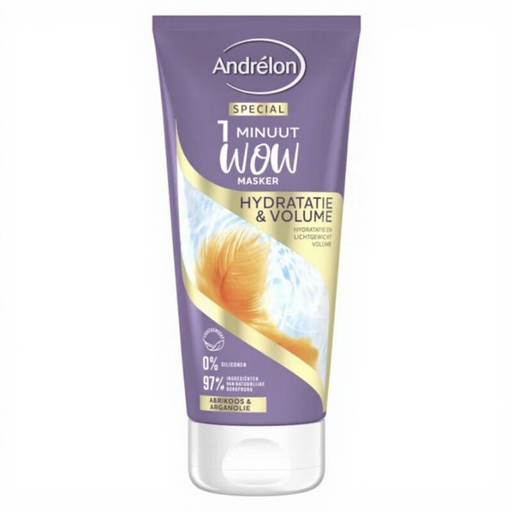
Why it suits this profile: The 180 ml pack size and stated 1-minute processing time suit a simple routine. The product description names dry and lacklustre hair as its target audience.
This variant is clearly aimed at hydration and volume, so you do not have to choose based solely on a general claim such as “intensive”. The description states that it contains 97% ingredients of natural origin and has a silicone-free formula.
180 ml, tube, 1-minute processing time, with coconut oil, argan oil and apricot oil according to the ingredients list.

Why it suits this profile: According to the product description, this rich deep conditioner is intended for dry, damaged, coloured and chemically treated hair.
The recommended processing time of 5 to 10 minutes makes it clear that this is not a 1-minute hair mask. That helps you plan a weekly intensive treatment.
180 g, tub packaging, with camellia oil, royal jelly extract and soya protein according to the product information.
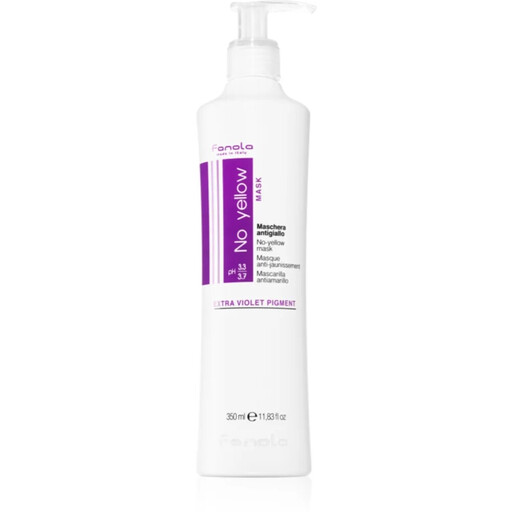
Why it suits this profile: This purple hair mask is specifically described for blonde, bleached, grey and white hair requiring colour correction.
The target audience and pigment colour are stated explicitly. This makes the difference between this product and a regular hydrating hair mask clearer.
350 ml, violet pigments, stated processing time of 3 to 5 minutes and silicone-free formula according to the product details.
We have compiled a complete, up-to-date list of products that fully meet these strict selection criteria and the applicable European safety requirements.
A hair mask for dry hair may fit more frequent use in a moisture-depleted routine, while a rich repairing hair mask or protein mask may be needed less often. Fine hair will usually benefit from using a smaller amount.
For most people, once a week is a practical starting point. If your hair is very dry or treated, the product description may recommend a different usage frequency. If your hair becomes limp, greasy or stiff, reduce the amount or use it less often.
Conditioner is generally intended for regular use and a shorter processing time. A hair mask usually has a richer formulation and is intended as a more intensive hair treatment. Its precise effects depend on the formula, your hair type and the instructions for use.
Yes, but choose a lightweight formula and apply it mainly from the middle of the hair downwards. A volumising hair mask or a variant specifically stated to be suitable for fine hair may be a better choice than a treatment rich in oils or butters. Always check the ingredients and stop using the product if irritation occurs.
