
Vandaag of morgen in huis

Kwaliteit gegarandeerd

Welkomstaanbiedingen ontgrendelen: GRATIS bezorging | Tot 80% korting | Gratis 30 dagen JoyPlus-proefperiode
Download de app
A hair mask can be a useful addition to your usual shampoo and conditioner, particularly if your hair is dry, coloured, bleached or chemically treated. However, not every product is the same. A lightweight formula for fine hair serves a different purpose from an intensive hair mask for severely damaged lengths.
What the product promises on the packaging does not always tell the full story, either. Pay particular attention to the ingredients, size, application time and suitability for your hair type.
A 300 or 430 ml tub may look attractively priced, but it can be impractical if you only use the mask once a week or your hair quickly feels weighed down. With fine hair, a smaller amount is often enough. A multipack can offer good value if you use the product regularly, but first check the shelf life after opening and the recommended frequency of use.
Brands use terms such as repairing, bond repair and reconstruction in different ways. According to a brand’s own research, certain ingredients may support the hair fibre or temporarily make the hair structure feel smoother. This does not guarantee that split ends will be permanently repaired. Look for verifiable information, such as the ingredients, application method, leave-in time and suitable hair type.
Oils, silicones, butters and rich conditioning agents can make dry hair feel smooth and supple. However, they can also reduce volume in thin or fine hair. In that case, look for terms such as lightweight, volume or for fine hair, and apply the product mainly from the mid-lengths down to the ends. Avoid the scalp unless the instructions specifically say otherwise.
Start by choosing based on the problem you want to address:
A brand claim about shine, repair or colour retention should be read as information from the manufacturer, not as a guaranteed result for every user.
Check the ingredients list if you are sensitive to fragrance, essential oils, silicones or certain preservatives. For example, Andrélon Coconut Volume Boost lists coconut oil and fragrances such as linalool and coumarin. Herbal Essences Argan Oil Repair Concentrate lists argan oil, glycerine and fragrance, including potential fragrance allergens.
“Silicone-free”, “paraben-free” or “vegan” does not, by itself, say anything about whether the product is suitable for your hair. These are separate product characteristics. Always check the current packaging as well, as the manufacturer may change the ingredients.
A one-minute hair treatment suits a busy morning routine, while an intensive hair mask with a five- to ten-minute leave-in time requires more planning. Also consider the packaging:
The product information for the Kumano Grand Linkage Hair Treatment lists 4 sets of 8 sachets weighing 9 grams each. The stated size information also includes a different indication of 32 grams. Therefore, check the packaging and product page before buying if the exact total quantity is important.
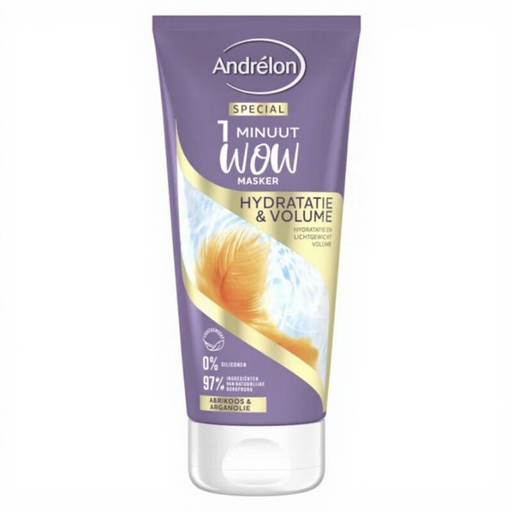
Why it suits this profile: The 180 ml tube is a manageable choice for anyone who wants to try a hydrating hair mask at home without immediately buying a large supply. The product information identifies dry and fine hair as its target audience.
According to the product information, the formula is designed to provide hydration and volume rather than offering only a heavy, rich treatment.
180 ml, designed to provide hydration and volume, with coconut oil and argan oil among its ingredients; the product information states that the formula is silicone-free.
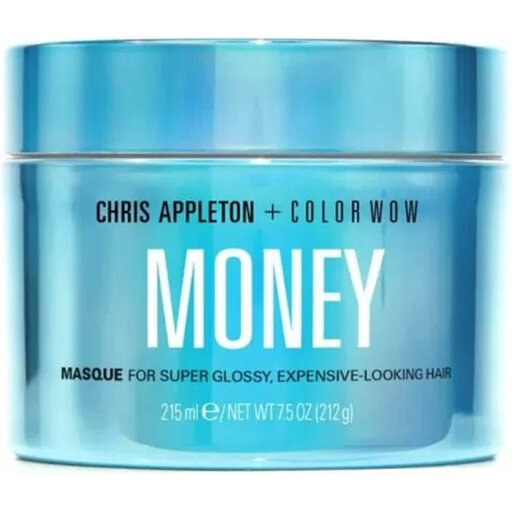
Why it suits this profile: This nourishing hair mask is designed for dry and damaged hair, making it a good choice for users looking for a richer weekly treatment.
The product information recommends using it once a week or every three washes. This helps prevent overuse of an intensive formula.
215 ml, with keratin, argan oil and silk proteins according to the product information; the listed properties include vegan and sulphate-free.
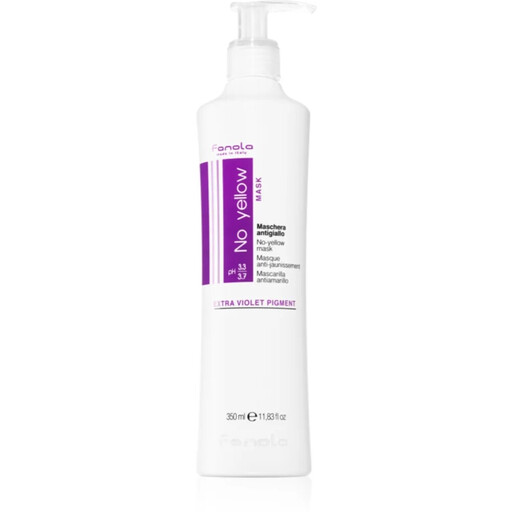
Why it suits this profile: This is not a general-purpose hair mask, but a targeted choice for blonde, bleached, grey or white hair where unwanted yellow tones are a concern.
The purple pigments are clearly listed as a product characteristic. This makes the application more specific than that of a standard hydrating or nourishing mask.
350 ml, purple pigments, designed for blonde, bleached, grey and white hair; the stated leave-in time is 3 to 5 minutes.
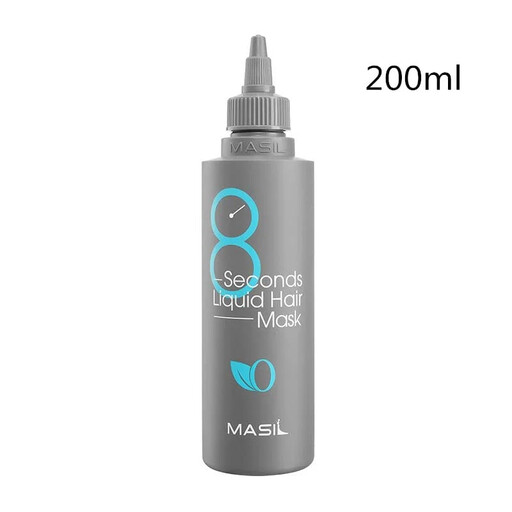
Why it suits this profile: The stated leave-in time of eight seconds is ideal for anyone who wants to fit a hair treatment into a busy shower or morning routine.
The short application time means you are less likely to buy an intensive treatment that takes too long to use in practice.
200 ml, a liquid formula that transforms into a creamy texture according to the product information, with plant extracts and hydrolysed proteins listed.
We have compiled a complete, up-to-date list of products that fully meet these strict selection criteria and the applicable European safety regulations.
A repairing hair mask is usually used once or twice a week. A lightweight hydrating hair mask can be used more often, depending on the product instructions and your hair type. Stop using the product if irritation occurs and avoid contact with the eyes.
For an intensive hair mask, once or twice a week is a common recommendation. Always follow the instructions on the packaging. Fine hair can feel weighed down more quickly, while dry or chemically treated hair may sometimes need more conditioning.
This varies from one formula to another. Some products require one minute, while others need three to five or five to ten minutes. Leaving a mask on for longer does not automatically produce better results and may actually make the hair feel heavier.
Yes, provided the product is specifically designed for coloured, blonde or bleached hair. A colour mask such as Fanola No Yellow has a specific purpose because of its purple pigments. Use this type of product for the stated leave-in time and check beforehand that the colour variant is suitable for your hair colour.
