
Vandaag of morgen in huis

Kwaliteit gegarandeerd

Welkomstaanbiedingen ontgrendelen: GRATIS bezorging | Tot 80% korting | Gratis 30 dagen JoyPlus-proefperiode
Download de app
A hair mask can be a useful addition to your regular shampoo and conditioner, but not every product suits every hair type. A rich mask can weigh fine hair down, while a lightweight formula may not provide enough care for bleached or chemically treated hair.
When you search online for the best hair mask, you often come across words like “intensive repair”, “salon results” or “natural ingredients”. On their own, these terms don’t tell you much. Instead, look at the ingredients, how long you leave it on, the size and the product’s purpose.
Damaged hair can feel dry, rough or porous. A hair mask can temporarily make the hair surface feel smoother and softer, but split ends are not permanently fixed. Product descriptions with terms like “repair” or “bond repair” are therefore no guarantee of lasting restoration.
Pay attention to what is objectively listed: for example, silicones, oils, proteins, glycerine or a specific application for coloured hair.
A nourishing hair mask with lots of oils and conditioners can be lovely for thick, dry or frizzy hair. On fine hair, the same texture can leave it feeling heavy or lifeless. A coconut hair mask isn’t automatically suitable for every hair type either.
So, apply the product mainly from the mid-lengths to the ends. Avoid the roots if your hair gets greasy quickly or you have little volume.
A product might be free from parabens, silicones or colourants, yet still contain perfume or fragrance allergens. Andrélon lists linalool and coumarin among several of its products. If you have a sensitive scalp, always check the current ingredients list on the packaging.
Furthermore, a percentage of ingredients of natural origin is not the same as a guarantee of a particular result. Nuxe, for example, states 98% ingredients of natural origin for the Hair Prodigieux Nourishing Mask; that’s a product specification, not a general performance claim.
First, choose based on your main need:
Read the INCI list, especially if you want to avoid perfume, certain oils or preservatives. A formula with dimethicone or amodimethicone can make hair feel smoother, while a silicone-free formula is preferred by some users.
Also note the difference between a hydrating hair mask and an intensive hair treatment. Hydration is mainly about moisture and suppleness; a treatment can also focus on conditioning, proteins or removing product residue.
Don’t just compare the price of a pot or tube; also compare the size and recommended frequency. A 25 ml mask is handy as a trial or travel size, while a 180 to 300 ml pack may be more suitable for regular use.
Follow the instructions. Andrélon recommends a 3 to 5 minute application time for the 1 Minute Masker. For some more intensive masks, this is 5 to 10 minutes, or use is recommended once or twice a week. Leaving it on longer doesn’t automatically give a better result.
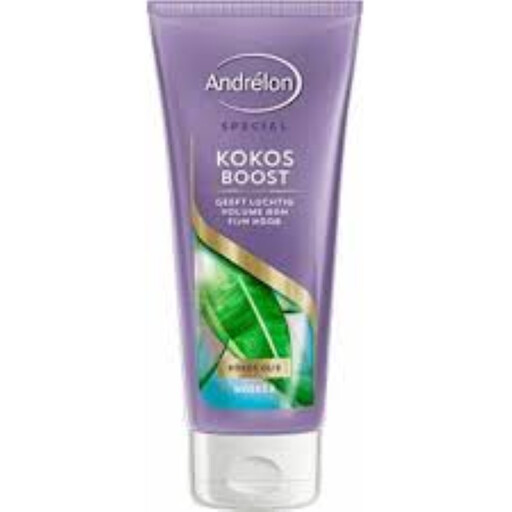
Why this fits the profile: The 180 ml cream has a short application time of 3 to 5 minutes and, according to the product information, is designed for a light feel and volume on fine hair.
The clear dosage and short treatment time make it easier to avoid overuse and a heavy feeling.
180 ml size, coconut oil in the ingredients list and, according to the product information, free from parabens, silicones and colourants.
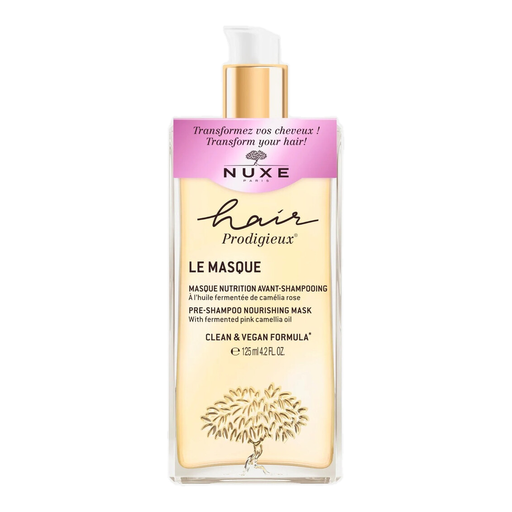
Why this fits the profile: This mask is designed for intensive nourishment and contains, according to the product information, fermented pink camellia oil and 98% ingredients of natural origin.
The product information specifically mentions the formula and origin, so you don’t have to rely solely on general terms like “nourishing”.
125 ml size, fermented pink camellia oil and manufactured in France according to the manufacturer’s details.
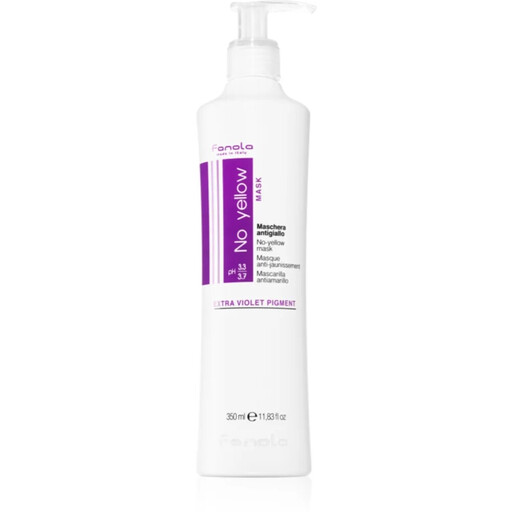
Why this fits the profile: According to the product description, this purple hair mask is designed for blonde, bleached, grey or white hair and contains extra violet pigments.
The application is clearly defined: use on blonde, bleached, grey or white lengths and rinse thoroughly after 3 to 5 minutes.
350 ml size, purple pigments and a usage time of 3 to 5 minutes according to the product information.

Why this fits the profile: The product information lists dry, damaged, coloured and chemically treated hair as the target audience, with a recommended use frequency of once to twice a week.
The recommended weekly application helps prevent a rich formula from being used daily and potentially weighing hair down.
180 g size, camellia seed oil, royal jelly extract and soy protein according to the ingredients list and product description.
We’ve put together a full, up-to-date list of products that fully meet these strict selection criteria and current European safety regulations.
Don’t automatically use a product with purple pigments every time you wash. With excessive use, the colour can appear cooler or uneven. Always check the warnings too, especially regarding perfume allergies and contact with the eyes.
For most intensive masks, once or twice a week is a practical starting point. Fine hair can be treated less often or with a smaller amount. Where possible, follow the instructions for the specific product.
Sometimes it can, but a mask is usually richer and used less often. For dry or damaged hair, you can use a mask weekly alongside a light conditioner. For fine hair, a daily conditioner may be sufficient.
Choose a hair mask for blonde hair when you’re mainly looking for care. A purple hair mask is designed to visually neutralise yellow or warm tones. Check the pigment strength, application time and warnings, and first use it carefully on a small section of hair.
