
Vandaag of morgen in huis

Kwaliteit gegarandeerd

Welkomstaanbiedingen ontgrendelen: GRATIS bezorging | Tot 80% korting | Gratis 30 dagen JoyPlus-proefperiode
Download de app
A hair mask can temporarily make dry, frizzy or damaged hair feel softer and easier to manage. However, not every product suits every hair type. A rich, nourishing hair mask can weigh down fine hair, while a lightweight hydrating mask may not provide enough care for heavily bleached lengths.
In this buying guide from the Joybuy Product Recommendation Officer, you’ll learn what to consider before buying a hair mask. The selection is based on verifiable product information, including size, recommended processing time, ingredients and stated hair type.
A product that rinses out after one minute or eight seconds can be convenient. That does not automatically mean it permanently repairs damaged hair. According to Masil’s product description, the transparent essence of the Masil 8 Seconds Liquid Hair Mask 200ml transforms into a cream when applied and is designed for a short processing time. Treat it as a quick conditioning step—not as a medical treatment or permanent repair for the hair fibre.
Oils, silicones, butters and rich conditioning ingredients can leave hair feeling smooth. On fine or thin hair, however, an overly rich formula can more quickly result in a heavy or flat finish. Check the stated target audience instead. A hair mask for fine hair, such as the Milbon Jemile Fran Deep Nourishing Hair Mask, is specifically described for fine hair and contains ingredients including panthenol, keratin protein, arginine and polyquaternium-7.
A purple hair mask is not intended to be a universal nourishing treatment. According to the product information, the Fanola No Yellow Mask contains additional violet pigments for blonde, bleached, grey or white hair. Its purpose is to visually neutralise yellow or warm tones. Leaving it on for too long or using it too frequently can affect the colour result. Follow the instructions on the packaging and, if in doubt, test it on a small section of hair first.
Start with your primary need rather than the packaging:
A 300 ml jar may appear good value, but its true value depends on how much you use each time. A mask intended for weekly use will generally last longer than a product required at every wash. Also check whether the item is a trial size. The Herbal Essences Hair Mask Repair, for example, contains 25 ml, making it particularly practical for travel or for trying the product before committing to a larger size.
Also consider the recommended processing time:
Read the ingredient list if you are sensitive to fragrance or certain oils. A product labelled “natural” is not automatically suitable for every user. Check for specific product properties too. For example, the Color Wow Money Masque is described in the product information as vegan, sulphate-free, gluten-free and cruelty-free. According to the stated specifications, the Fanola No Yellow Mask is silicone-free, but it is not paraben-free or pH-neutral.
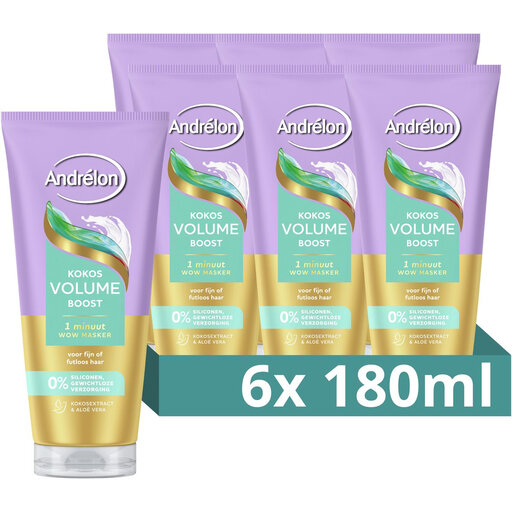
Why it’s a good fit: An accessible choice for fine or normal hair that needs conditioning without a heavy finish.
The product description states that it has a lightweight formula without parabens, silicones or colourants. Apply it from approximately 5 cm away from the roots.
180 ml contents, a processing time of 3 to 5 minutes and coconut oil listed as a conditioning ingredient.

Why it’s a good fit: For dry, damaged, coloured or chemically treated hair, and for users seeking a richer Japanese hair mask.
The instructions recommend using it once or twice a week, helping you avoid applying the rich formula automatically every day.
According to the product information, it contains camellia seed oil, royal jelly extract and soy protein, among other ingredients.
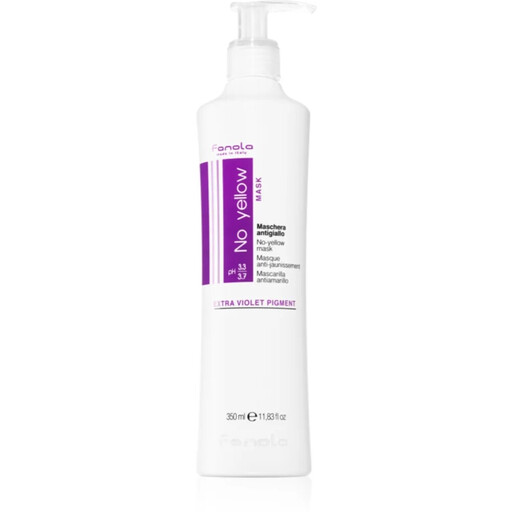
Why it’s a good fit: For anyone looking for a colour-preserving hair mask specifically designed to target yellow and warm tones.
The product information specifies a processing time of 3 to 5 minutes. Do not use it as a standard mask if you do not need purple pigments.
350 ml contents, additional violet pigment and an acidic pH formula according to the specifications.
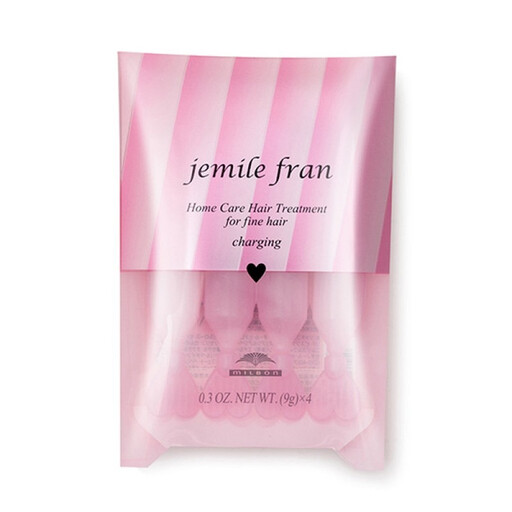
Why it’s a good fit: For users with fine, soft hair who are looking for targeted nourishment.
The stated hair type is fine hair, helping you avoid automatically choosing an overly heavy formula.
The listed formula contains panthenol, keratin protein, arginine and polyquaternium-7.
Explore a current selection of hair masks and compare products by hair type, size, ingredients and usage.
For a hair mask intended for dry or damaged hair, once or twice a week is often the recommended routine. A quick formula, such as a 1-minute mask, can easily fit into a busy shower routine. Always check the current packaging, as instructions and formulations may change.
That depends on the product and your hair type. Many intensive masks are designed for use once or twice a week. Fine hair can feel weighed down more quickly, while dry, thick or chemically treated hair may need additional conditioning more often. Use the instructions on the label as your starting point.
Not every hair mask is. According to the product information, a lightweight formula may be suitable for more frequent use, while richer masks are often intended as a weekly treatment. Consider the processing time, texture and manufacturer’s recommendation.
A hydrating hair mask primarily focuses on leaving the hair feeling soft and supple, often using moisture-binding ingredients. A repairing hair mask more commonly contains proteins or keratin and is intended for hair that feels dry, fragile or chemically treated. Neither permanently changes the hair’s natural structure. Consider your hair concern, the ingredient list and the recommended frequency of use before buying a hair mask.
