
Vandaag of morgen in huis

Kwaliteit gegarandeerd

Welkomstaanbiedingen ontgrendelen: GRATIS bezorging | Tot 80% korting | Gratis 30 dagen JoyPlus-proefperiode
Download de app
A hair mask can become a staple in your hair care routine, especially when your hair feels dry, frizzy, coloured or damaged. However, it's not wise to rely solely on words like "intensive", "restorative" or "professional". These descriptions don't tell you much if you don't know which hair type the product is intended for, how much you're getting, or how to use it.
The right choice depends mainly on your hair structure and the result you're after. Do you want more moisture, less frizz, support for fine hair, or care for blonde locks? Below, you'll find out what to look for before buying a hair mask.
A nourishing hair mask with lots of oils, butters or silicones can feel lovely on dry, thick hair. With fine hair, however, a heavy formula can leave it feeling limp or greasy. Instead, look for terms like lightweight, volume and "suitable for fine hair". Ideally, apply the mask only from the mid-lengths downwards, not directly onto the scalp.
A hair mask for blonde hair may contain nourishing ingredients, but a purple-pigmented product has a specific purpose: to visually neutralise yellow or warm tones. That isn't automatically suitable for every blonde hairstyle. Check the product's colour, the recommended leave-in time and any warnings. Leaving it on for too long can affect the colour result.
A 350 ml pack might seem like good value, but that depends on how often you use it and how much you need per treatment. A 180 ml product that only needs one minute to work could be more practical in practice than a large pot you have to leave on for ages each week. With a multi-pack, it's also important to check exactly how many items are actually supplied.
First, choose one main goal:
Check the ingredients list, especially if you are sensitive to fragrance. Various hair masks contain fragrance ingredients such as linalool, coumarin or limonene. A product described as "natural", "vegan" or "silicone-free" is not automatically suitable for everyone. These terms describe a particular product composition, but they don't rule out irritation.
Always test a new product according to the instructions on the packaging and stop if irritation occurs. Avoid contact with the eyes and rinse thoroughly with water if this does happen.
The recommended leave-in time varies widely. Andrélon, for example, has masks that, according to the product information, need about one minute, while other variants recommend five to ten minutes. An intensive hair treatment you use once or twice a week requires different planning to a product for daily use.
So, compare:
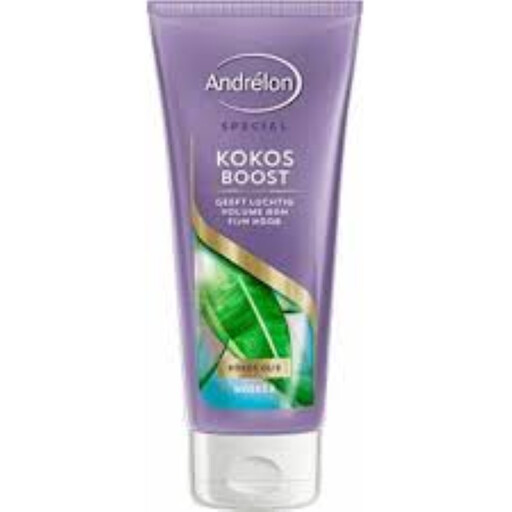
Why this fits the profile: The short leave-in time is practical for a simple weekly hair care routine. The product information mentions fine hair and a light volume effect as its intended use.
The application is clearly described: apply from about five centimetres from the root, leave for three to five minutes, then rinse out.
180 ml; coconut oil, aloe vera and a silicone-free formula according to the product information.
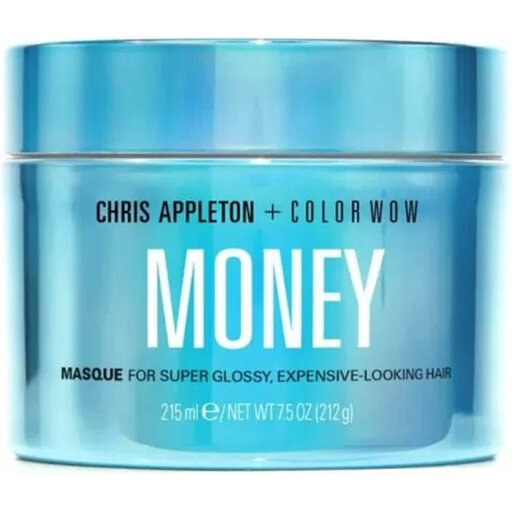
Why this fits the profile: According to the product description, this hair mask is intended for dry and damaged hair and can be used on different hair types, including fine and thin hair.
The usage instructions are specific: once a week or every three washes, with a three to five minute leave-in time.
215 ml; contains keratin, argan oil and silk proteins according to the product information. Listed properties are vegan, gluten-free and sulphate-free.
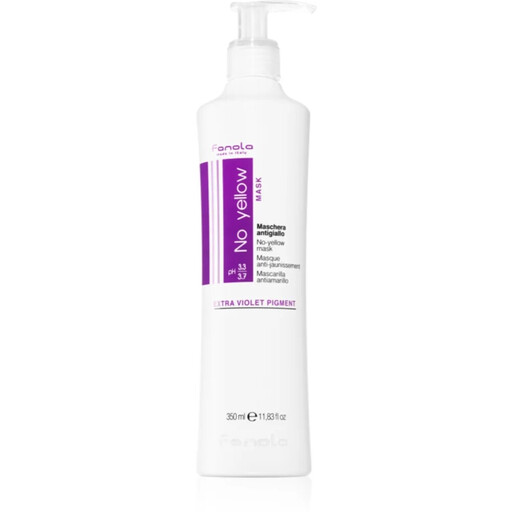
Why this fits the profile: This purple hair mask is specifically aimed at blonde, bleached, grey or white hair when you want to visually reduce warm or yellow tones.
The target audience and application are clearly defined. The instructions mention a three to five minute leave-in time and thorough rinsing.
350 ml; contains violet pigment and is described as hydrating and nourishing for blonde and light hair types.

Why this fits the profile: The product description focuses on dry, frizzy and damaged hair, including from colouring or styling. The mask is intended for use once or twice a week.
The frequency is clearly stated, so you don't end up using it as a daily conditioner.
230 ml; pot packaging; ingredients list including sorbitol, conditioning agents and silicones.
We've put together a full, up-to-date list of products that fully meet these strict selection criteria and comply with current European safety regulations.
First, wash your hair with shampoo and remove excess water. Then, distribute the mask through the mid-lengths and ends. With fine hair, a smaller amount is often enough. Follow the instructions on the packaging and rinse the product out thoroughly. Use a hair mask once or twice a week, unless the product information states otherwise.
Don't automatically apply a purple mask with every wash. Alternate it with a regular hydrating or nourishing hair mask if your main concern is dryness or frizz. If you have coloured hair, also check whether the manufacturer provides information about colour retention.
For most intensive hair treatments, once or twice a week is a practical starting point. Fine hair can feel heavy more quickly; start with a small amount and see how your hair responds. Always follow the product instructions.
You can if the packaging describes the product as a replacement for conditioner. However, many hair masks are intended as a weekly treatment. Daily use can be unnecessary, especially for fine hair or a scalp that gets greasy quickly.
Check the shelf-life information on the packaging and the symbol showing the period after opening, such as 12M. Close a pot or tube properly and store the product in a dry, cool place away from direct sunlight. If the smell, colour or texture changes noticeably, do not use it any more.
