
Vandaag of morgen in huis

Kwaliteit gegarandeerd

Welkomstaanbiedingen ontgrendelen: GRATIS bezorging | Tot 80% korting | Gratis 30 dagen JoyPlus-proefperiode
Download de app
A hair mask can be a useful addition to your regular conditioner, but not every product suits every hair type. If you rely solely on words like “intensive repair” or “salon results”, you risk buying a mask that is too heavy for fine hair, using a colour mask incorrectly, or overlooking a small pack size.
In this guide from the Joybuy Product Recommendation Officer, I focus on verifiable information: volume, usage time, target audience, ingredients and application. This way, you can choose a hair mask that matches your own hair needs.
A nourishing hair mask with oils, silicones or a very creamy texture can make dry hair feel smooth. However, the same formula can leave fine or limp hair feeling heavy or flat. Look for a product that is explicitly suitable for fine hair, or use a smaller amount from the mid-lengths to the ends.
A repairing hair mask can focus on softness, moisture, smoothness or care after chemical treatments. These are different properties. Check the product description and ingredients rather than just the marketing name. For example, a hair treatment with keratin, proteins or ceramides has a different positioning to a purely hydrating hair mask.
A hair mask for blonde hair with purple pigments is designed to visually neutralise yellow or warm tones. It is not automatically suitable for daily use or for every hair colour. With Fanola No Yellow, the product information states a processing time of 3 to 5 minutes and application for blonde, bleached, grey or white hair. Always follow the label and avoid contact with the eyes.
A 300 or 400 ml pot may seem good value, but usage depends on hair length and the amount used per treatment. A sachet is handy for precise dosing or for trying a product first. The Kumano Grand Linkage treatment comes in individual 9 g sachets; the product listing mentions 4 sets of 8 sachets. Always check the packaging and ingredient list upon receipt.
Many masks are intended for once or twice a week, while some quick treatments can be left on for a shorter time. Using more product or leaving it on longer does not automatically give a better result.
Look out for ingredients you may be sensitive to, such as perfume, linalool or coumarin. Also check whether a formula contains silicones, sulphates or parabens if that matters to you. Product claims such as “salon quality”, “bond repair” or “natural ingredients” should be seen as information from the brand; they are not a guarantee of the same result for every user.
Apply a hair mask usually to towel-dried hair, from the mid-lengths to the ends. Avoid the scalp when the product is not intended for that area. Discontinue use if irritation occurs and rinse immediately with water if it comes into contact with the eyes.
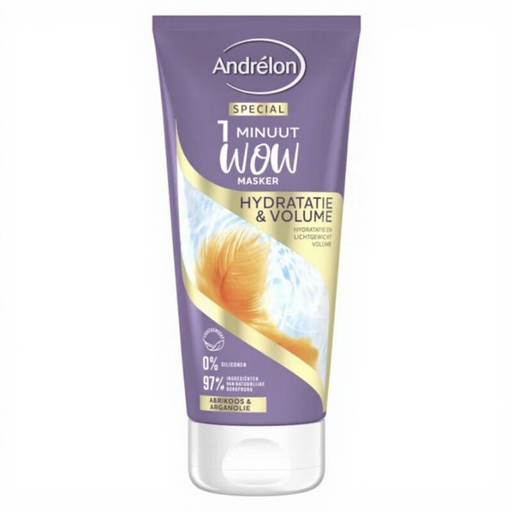
Why This Fits Their Persona: A practical choice for anyone looking for an affordable hair treatment for dry or limp hair with limited time.
The product information states a processing time of 1 minute and a volume of 180 ml. This makes dosing and regular use straightforward.
According to the product description, this mask contains apricot and argan oil and is aimed at hydration and volume for fine hair.

Why This Fits Their Persona: Suitable for adults with dry, frizzy or dull hair who want to use extra care once or twice a week.
The usage instructions recommend 1 to 2 applications per week, so the product does not need to be used up as a daily conditioner.
The pot contains 230 g and, according to the product information, is intended for all hair types, with a focus on frizzy and dull hair.
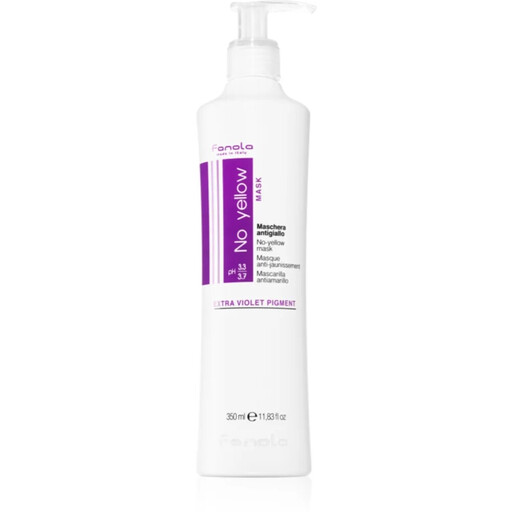
Why This Fits Their Persona: Aimed at those who care for blonde, bleached, grey or white hair and want to neutralise warm yellow tones.
The purple pigments make this a specific colour treatment, not just a universal hair mask.
350 ml volume; the product information mentions extra violet pigments and a recommended processing time of 3 to 5 minutes.
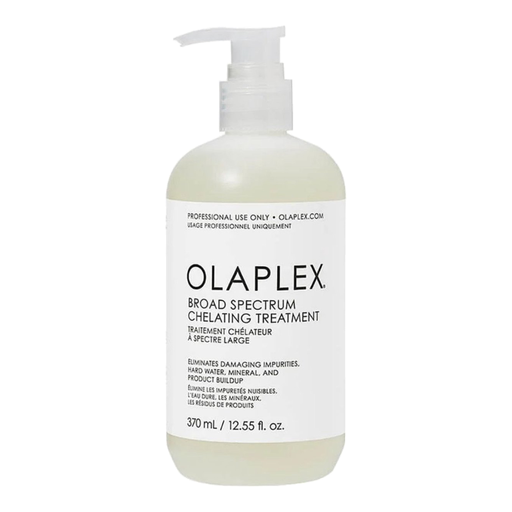
Why This Fits Their Persona: For users who combine a lot of styling products, hard water, chlorine or chemical treatments and are looking for a professional hair treatment.
This is clearly a chelating treatment and not a standard daily mask. The instructions state a processing time of 15 to 30 minutes.
The product details state 370 ml volume and approximately 12 to 15 applications per bottle. According to Olaplex, the product is aimed at removing build-up and impurities.
Browse our current range with products that suit different hair needs, from hydration and volume to intensive care.
For most intensive hair masks, once or twice a week is a practical starting point. Fine hair can feel heavy more quickly, while dry, thick or damaged hair may need more care. Follow the usage instructions for your chosen product.
Usually, you use a hair mask after washing and instead of conditioner. Rinse the mask thoroughly. An extra conditioner is only necessary when the product instructions indicate this, or if your hair responds well to it.
A hair mask can temporarily make split or dry ends feel smoother and improve combability. It does not permanently undo existing splits. Regular trims are still necessary; also choose a suitable hair treatment to limit further dryness and frizz.
