
Vandaag of morgen in huis

Kwaliteit gegarandeerd

Welkomstaanbiedingen ontgrendelen: GRATIS bezorging | Tot 80% korting | Gratis 30 dagen JoyPlus-proefperiode
Download de app
Choosing a hair mask can sometimes feel like a gamble. You buy a jar hoping for shiny, soft hair, but end up with a product that either weighs it down or does too little. Finding an effective mask that targets your specific hair concern—whether it's dryness, damage, or a lack of volume—doesn't have to be a quest. This guide will help you understand the key parameters so you can make an informed choice.
Before you choose a product, it's helpful to know what to look for. The effectiveness of a hair treatment depends on its formulation and intended purpose.
Hair Type and Concern: First, identify your primary need. Do you have fine hair that gets oily quickly? Opt for a lightweight, hydrating hair mask. Is your hair damaged from colouring or heat? A restorative hair mask with proteins or patented repair technologies is a better option. For coarse, frizzy hair, a rich, nourishing formula, often labelled as a deep conditioner, is ideal.
Ingredient List: Look beyond the marketing claims on the front.
silicone-free hair mask often uses natural oils to smooth the hair. Masks with silicones create a coating on the hair for an instantly smooth and shiny effect. The choice between them is a personal preference and depends on what your hair responds to best.Processing Time: The required time varies significantly. Some masks work in just one minute, perfect for a quick refresh. Others require 10 minutes or more to allow the active ingredients to penetrate deeply.
Based on product specifications and their intended applications, we have curated a selection of three distinct hair masks, each targeting a different hair type and need.
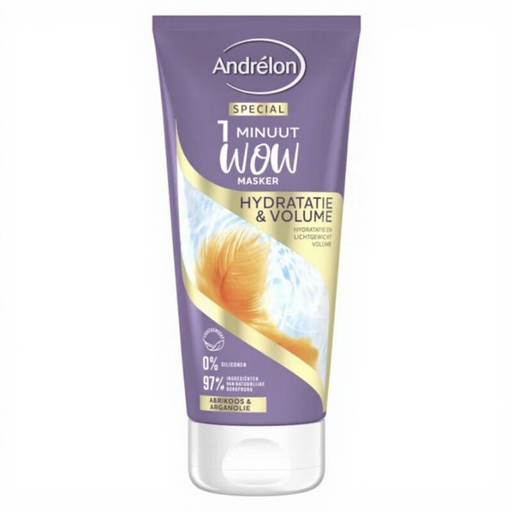
Why this product: This mask is designed for a common dilemma: needing hydration without sacrificing volume. The formula is specifically developed to give a moisture boost to fine, lifeless hair, with a very short processing time of just one minute.
Benefits:
Best for: Individuals with fine, dry, or lifeless hair looking for a quick, weekly hydration boost that won't compromise volume.

Why this product: This Japanese cult favourite is renowned for its intensive restorative properties. It is formulated as a deep conditioner for hair that has suffered significant damage from colouring, styling, or environmental factors.
Benefits:
Best for: Ideal for those with dry, frizzy, or damaged hair from chemical treatments or heat. Suitable for medium to thick hair that needs a serious, restorative treatment.
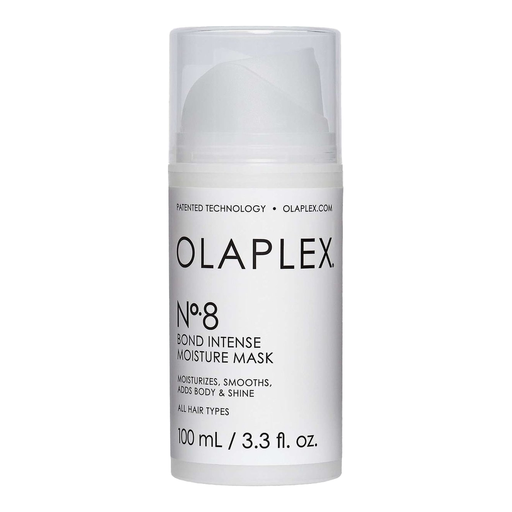
Why this product: Olaplex N°8 is a professional-grade hair mask for at-home use, built on the brand's patented bond-building technology. It focuses not just on the surface, but on repairing the broken disulfide bonds within the hair's structure.
Benefits:
Best for: Individuals with visibly damaged hair, particularly from bleaching, colouring, or frequent use of heat styling tools. It is an investment in the structural repair of your hair.
The products above represent three different approaches to hair care. Your hair might require a different combination of properties. Perhaps you're looking for a mask specifically for curls, a vegan formula, or a product targeting a sensitive scalp.
For a broader overview of intensive treatments, you can browse our full collection of Restorative Hair Masks. There, you can filter by brand, hair type, and specific ingredients to find the perfect match for your hair.
1. What is the difference between a conditioner and a hair mask? A conditioner is intended for daily or frequent use after shampooing. It works primarily on the outer layer of the hair to detangle and smooth it. A hair mask is a more intensive treatment with a higher concentration of active ingredients. It's designed to penetrate deeper into the hair shaft to address specific issues like dryness or damage.
2. How often should I use a hair mask? This depends on the condition of your hair and the type of mask. For most hair types, once a week is sufficient. If your hair is extremely dry or damaged, you can increase the frequency to twice a week. Lighter, quick-acting masks can be used more often, whereas a very rich, restorative mask should be used more sparingly to avoid weighing the hair down.
3. Can I apply a hair mask to dry hair? Generally, hair masks are applied to clean, towel-dried hair. Water helps open the hair cuticles, allowing the mask to penetrate more effectively. While some oil-based pre-shampoo treatments are designed for dry hair, for most hydrating and restorative masks, applying after washing yields optimal results. Always consult the instructions on the packaging.
Written by the Joybuy Product Recommendation Officer.
