
Vandaag of morgen in huis

Kwaliteit gegarandeerd

Welkomstaanbiedingen ontgrendelen: GRATIS bezorging | Tot 80% korting | Gratis 30 dagen JoyPlus-proefperiode
Download de app
A hair mask can temporarily leave dry, frizzy or damaged hair feeling softer and easier to comb. However, not every mask is suitable for every hair type. A nourishing product for thick locks can weigh down fine hair, while a scalp mask is not automatically suitable for the lengths of your hair.
As a Joybuy Product Recommendation Officer, I filter product information according to features you can check on the packaging and in the product description. This helps you avoid relying solely on terms such as “intensive”, “repairing” or “professional”.
A hair mask for dry and damaged hair is generally intended for the lengths and ends. A scalp mask, on the other hand, is applied to the scalp. This distinction is important:
Always check the area of application and the instructions for use.
A rich mask containing oils, silicones or conditioning alcohols can feel pleasant on thick, dry or frizzy hair. On fine hair, however, the same texture can feel limp or heavy. If you are looking for a hair mask for fine hair, look for:
For example, Andrélon Kokos Boost states that it should be applied from 5 centimetres away from the roots and left on for 3 to 5 minutes. According to the product description, the range is intended for fine hair and lightweight volume.
Terms such as “bond repair”, “keratin repair” and “repair treatment” often describe a product’s cosmetic purpose. They do not automatically mean that split ends will be permanently repaired or that damaged hair will return to its original condition.
According to the product description, it uses a PEPTIDE-132 complex and conditioning ingredients such as collagen, hyaluronic acid and ceramides. The manufacturer positions it as an intensive hair-repair treatment for damaged hair. Always check the current ingredients list on the packaging before buying, as formulations may change.
Choose a hydrating hair mask for dry lengths and ends. For fine hair, a lightweight formula is usually more practical than a very rich cream. For blonde hair, a product such as L’Oréal Professionnel Serie Expert Masque Blondifier may be worth considering, as the product description states that it was specifically developed for blonde hair.
A mask for a dry scalp should not automatically be applied to the ends of your hair. Look out for instructions such as “apply to the scalp”, “apply to the lengths” or “avoid applying from the roots”.
Check the INCI list rather than just the front of the packaging. Common points to consider include:
If you have a sensitive scalp, it is advisable to use a small amount first, following the instructions on the packaging. Stop using the product if irritation occurs. A cosmetic mask is not intended to treat a skin condition.
A mask that takes 1 to 5 minutes to work is better suited to a busy morning routine than a product that needs to be left on for a long time. Also consider the size:
A rinse-out product and a leave-in serum also have different places in your routine. Do not use them interchangeably without following the instructions.
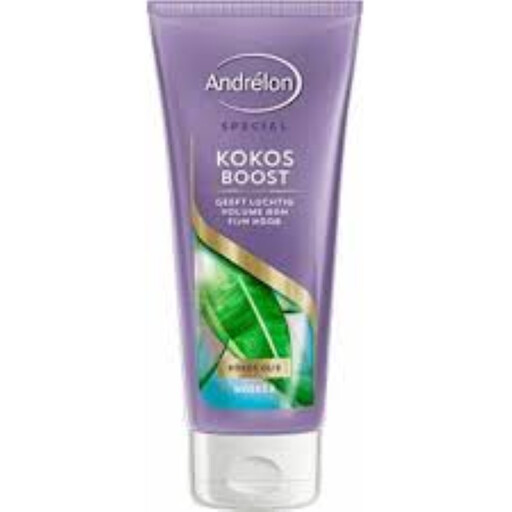
Why it suits this profile: The short processing time makes this an accessible choice for anyone wanting to add a hair mask to their routine without a long wait.
The instructions recommend applying it from 5 centimetres away from the roots. This keeps the scalp free from a product intended for the lengths of the hair.
180 ml, cream formula, 3 to 5 minutes’ processing time and coconut oil according to the product description.
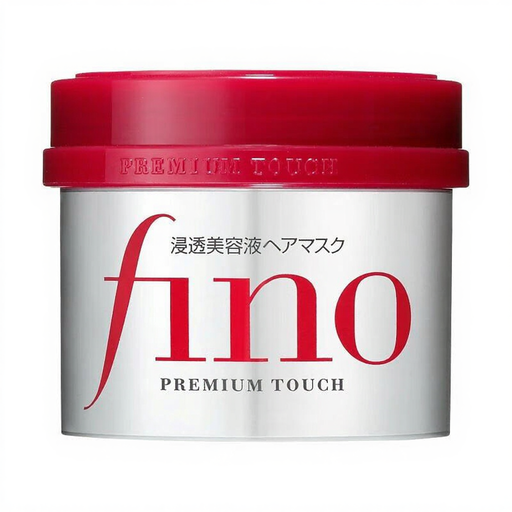
Why it suits this profile: According to the product information, this mask is intended for frizzy and dull hair and can be used once or twice a week as a conditioning treatment.
The product information clearly states the hair type, application method and usage frequency. You therefore do not need to use it as a daily conditioner.
230 g, suitable for all hair types and with a 12-month period after opening according to the product details.
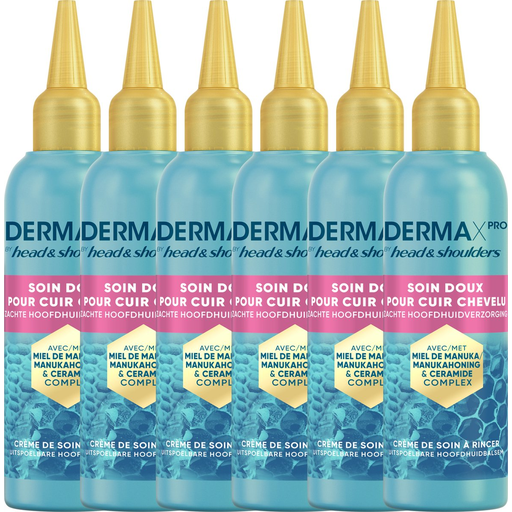
Why it suits this profile: A suitable option for anyone mainly wanting to care for a dry or sensitive scalp and looking for a rinse-out product.
The instructions distinguish between scalp care and the lengths of the hair: apply to the scalp and rinse out. This prevents it from being used incorrectly as a regular hair mask.
145 ml, rinse-out balm and ingredients such as piroctone olamine, glycerine and manuka honey in the stated formulation.
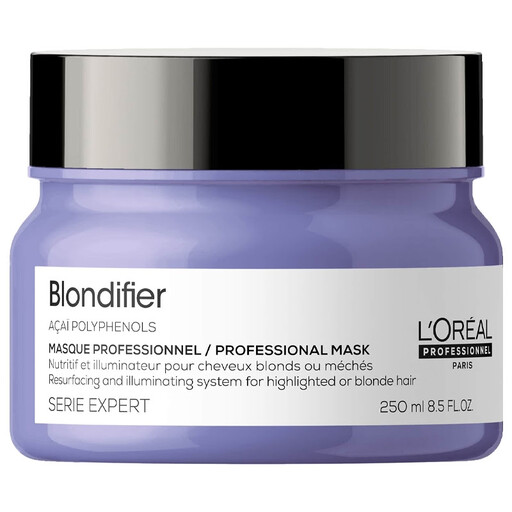
Why it suits this profile: This hair mask for blonde hair fits into a routine focused on conditioning and maintaining the appearance of blonde hair colour.
The application is clearly defined: once or twice a week, with a processing time of 3 to 5 minutes. The product description also names blonde hair as the intended hair type.
250 ml, açaí extract and polyphenols according to the product information, with a short rinse-out treatment.
We have put together a complete, up-to-date list of products that fully meet these strict selection criteria and the applicable European safety regulations.
For a leave-in scalp serum, the opposite applies: apply it to the scalp and leave it to absorb when this is stated on the packaging. Avoid contact with the eyes and stop using it if irritation occurs.
For many products, once or twice a week is a practical starting point. Fine hair can feel weighed down more quickly, while dry or treated hair may benefit from a conditioning treatment more often. Always follow the brand’s specific instructions.
Only when the packaging says so. A hair mask for the lengths is not automatically suitable for the scalp. If you have a dry, flaky or sensitive scalp, choose a product explicitly described as a scalp mask, balm or serum.
Check the expiry date and the open-jar symbol showing the period after opening on the packaging. Product details may vary between items. Keep the mask tightly closed, dry and out of direct sunlight.
