
Vandaag of morgen in huis

Kwaliteit gegarandeerd

Welkomstaanbiedingen ontgrendelen: GRATIS bezorging | Tot 80% korting | Gratis 30 dagen JoyPlus-proefperiode
Download de app
A hair mask can be a useful addition to your usual shampoo and conditioner, but not every mask suits every hair type. A rich product can leave fine hair limp, while a lightweight hydrating mask may not be enough for bleached or severely damaged hair.
Packaging can also be confusing. Words such as “repair”, “deep care” and “volume” only tell you so much when you look at the ingredients, contents and instructions for use. Use this practical checklist to compare a deeply nourishing hair mask based on verifiable points.
Some product names contain only the word “mask”. That does not automatically mean the product is intended for hair. For example, the Biodance Hydro Ceranol Real Deep Mask is a hydrogel mask for the skin. The description mentions hyaluronic acid, ceramides and use on cleansed skin. So this is not a hair mask, even though “deep mask” appears in the name.
Always check the product type and application area before placing your order.
A volumising hair mask should condition without leaving a heavy coating behind. Fine hair, in particular, can look flat more quickly when lots of oils, butters or film-forming ingredients are used. For this reason, apply a hair mask for fine hair mainly from the middle of the lengths to the ends, rather than to the scalp.
One example is the Andrélon 1-minute mask from the Coconut Boost range. According to the product description, it was developed for fine hair and contains coconut oil. The manufacturer mentions a lightweight feeling of volume and recommends leaving it on for three to five minutes. Check the ingredients list if you are sensitive to fragrance ingredients such as linalool or coumarin.
“Repairing hair mask” does not mean that split ends will be permanently repaired. A hair product can temporarily make hair feel smoother, softer or easier to comb. According to information provided by the brands themselves, certain ingredients may help to condition, hydrate or create a smoother appearance. That is different from a medical or permanent treatment.
So pay attention to:
For dry and damaged hair, richer formulas containing conditioning oils, conditioners or silicones are often suitable. A hydrating hair mask with glycerine, panthenol or other moisture-binding ingredients can feel pleasant on hair that feels dry.
For frizzy hair, smoothing ingredients are relevant. Product descriptions may mention silicones, oils and conditioning agents, for example. These can make the hair surface feel smoother, but the result varies depending on your hair structure and how you use the product.
For fine hair, a short processing time and lightweight texture are practical. A volumising hair mask should also not be applied too close to the roots.
A 180-gram or millilitre tub is not automatically better value than a smaller pack. Compare the price per 100 ml or 100 grams, and consider how often you use the mask.
A 1-minute mask is handy when you are short on time. Other products need five to ten minutes to work and are therefore better suited to a regular hair-care routine, such as once or twice a week.
If you want to avoid silicones, parabens or sulphates, check the product information for each variant. Claims may differ between markets or packaging. For example, the Shiseido Fino Premium Touch Hair Mask is not listed as silicone-free in the available product information. The TSUBAKI Premium Repair Hair Mask, on the other hand, is described as free from sulphates and parabens, although its ingredients list does contain smoothing agents.
Do you have sensitive skin or react to fragrances? Check the label for perfume and allergens. Stop using the product if irritation occurs and avoid contact with the eyes.
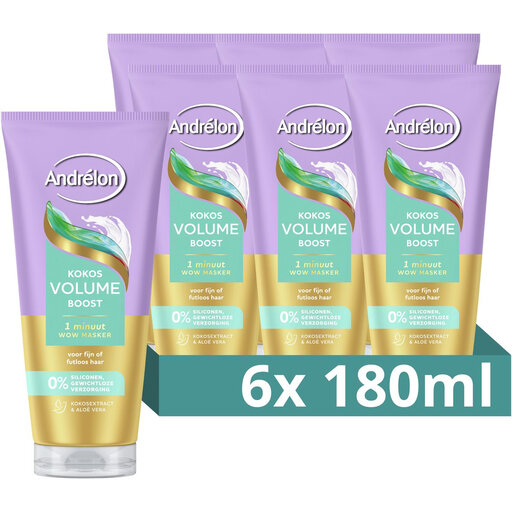
Why it suits this profile: The set contains six 180 ml packs and has a processing time of three to five minutes. This makes it a practical option for regular use.
The description specifies the hair type, contents and how to use it. Apply the product from around 5 cm away from the roots to avoid weighing down fine hair unnecessarily.
180 ml per pack, coconut oil listed as an ingredient and a short processing time.
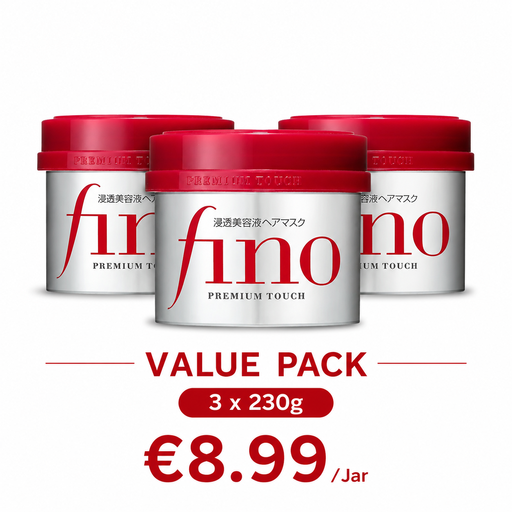
Why it suits this profile: This Japanese hair-mask set is intended for anyone who wants to schedule a regular, intensive weekly hair treatment.
The instructions recommend using it once or twice a week instead of conditioner. This helps prevent excessive daily use of a rich mask.
Three 230-gram tubs, described in the product information as suitable for all hair colours and hair types.

Why it suits this profile: The product information focuses on dry, damaged, chemically treated and coloured hair, with a processing time of five to ten minutes.
The recommended frequency is once or twice a week. The ingredients list includes camellia seed oil, glycerine and conditioning agents, among other ingredients.
180 grams, aimed at hydration and conditioning, with a sulphate- and paraben-free claim in the product details.
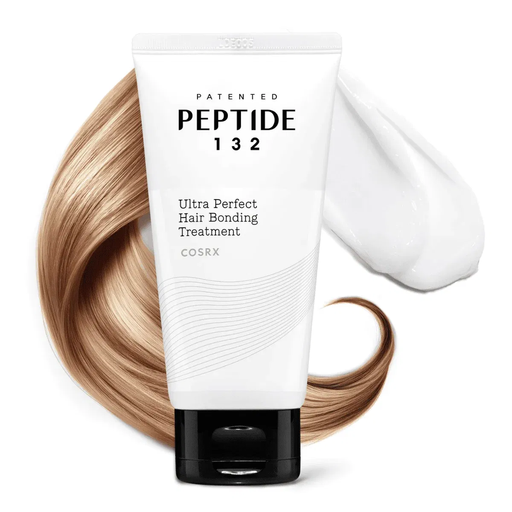
Why it suits this profile: This intensive treatment is intended for dry, brittle hair and is applied to the lengths and ends after washing.
The product description mentions a PEPTIDE-132 complex, collagen and hyaluronic acid. These are product specifications, not a guarantee of permanently repairing hair damage.
120 ml, several forms of hyaluronic acid in the ingredients list and oils such as argan, olive, camellia and jojoba oil.
We have put together a complete, up-to-date list of products that fully meet these strict selection criteria and the applicable European safety regulations.
A hair mask for coloured hair can form part of your hair-care routine, but check whether the manufacturer explicitly mentions colour protection. For extra shine, it often helps to distribute the product evenly and avoid using more than necessary.
For most intensive hair masks, once or twice a week is a practical starting point. Fine hair can feel weighed down more easily, while dry or damaged hair may benefit from a richer routine. Always follow the instructions on the packaging.
Some products, such as Shiseido Fino, are used instead of conditioner according to the instructions. This does not automatically apply to every hair mask. Check the recommended processing time and frequency before using the product daily.
A hair mask for frizzy hair often contains conditioning agents, oils or silicones that make the hair feel smoother. Choose a product for the lengths and ends, and compare the ingredients with your preferences. For fine hair, a lighter formula is usually more practical than a very rich mask.
