
Vandaag of morgen in huis

Kwaliteit gegarandeerd

Welkomstaanbiedingen ontgrendelen: GRATIS bezorging | Tot 80% korting | Gratis 30 dagen JoyPlus-proefperiode
Download de app
Dry, frizzy or damaged hair doesn’t automatically need the most expensive hair mask. Many shoppers pay mainly for eye-catching claims on the packaging, while important details are less visible. These include how often to use it, its ingredients and size, and whether it’s suitable for fine or colour-treated hair.
So, a good choice starts not with a promise of “repair” or “salon results”, but with your hair concerns and the product specifications. Read on to find out what to look for and which options suit different needs.
A repairing hair mask can temporarily leave your hair feeling smoother, softer and easier to comb. However, it can’t permanently restore damaged hair fibres to their original condition. Instead, look at practical features such as conditioning ingredients, the recommended leave-in time, and the effect on the lengths and ends of your hair.
A nourishing hair mask with oils, silicones or a very rich cream base can feel lovely on dry, thick hair. The same texture may leave fine hair feeling limp, though. If you have fine hair, apply the product from a few centimetres below the roots and rinse it out thoroughly.
When comparing hair mask multipacks, don’t just look at the total price. Compare the price per 100 ml or per tub too. Also check how long the product keeps after opening. A pack with several tubs is best suited to people who use the product regularly or share it with others.
First, choose a product based on what your hair needs:
The ingredients list gives you more useful information than a big claim on the front of the pack. Silicones can make hair feel smoother and help with combing, but they may not suit everyone’s haircare routine. Oils can nourish and add shine, while proteins such as keratin or hydrolysed proteins may be particularly useful for hair that feels porous or fragile.
If you’re sensitive to fragrance, also look out for perfume and common fragrance allergens such as linalool or coumarin. “Natural”, “vegan” or “dermatologically tested” doesn’t automatically mean a product is suitable for everyone. Always check the full packaging and the latest ingredients list.
An intensive hair mask is usually used once or twice a week, unless the packaging says otherwise. Products with a short leave-in time are handy when you’re in a hurry. For example, the Masil 8 Seconds Liquid Hair Mask has a leave-in time of eight seconds according to the product description. Other masks usually need to be left on for around one to ten minutes.
Apply a mask to damp hair that isn’t dripping wet. Work it through from the mid-lengths to the ends, and avoid the scalp unless the product is designed for it. Rinse thoroughly to prevent your hair from feeling heavy or greasy.
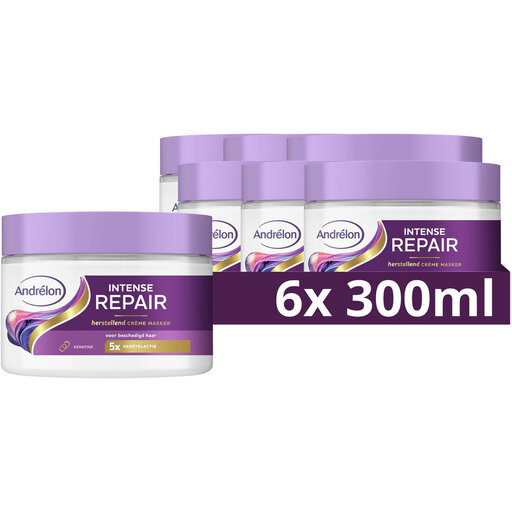
Why it suits this profile: The 6-pack is practical for regular use and makes it easy to compare the price by volume. According to the product description, the mask is designed for damaged hair and has a recommended leave-in time of around 4 to 5 minutes.
The larger pack helps you avoid impulse-buying several individual tubs. Still, compare the price per 100 ml before you order.
6 x 300 ml packs; clear leave-in time of 4-5 minutes according to the product information.

Why it suits this profile: According to the product information, this Japanese hair mask is designed for frizzy, dull hair. The tub contains 230 ml and is intended for use as a weekly treatment.
The product specifications state both the size and how often to use it. This makes it easy to compare with cheaper daily conditioners.
230 ml; the ingredients list includes sorbitol, dimethicone and amodimethicone.

Why it suits this profile: According to the product description, this intensive hair mask is designed for dry, damaged, colour-treated and chemically treated hair. It’s recommended for use once or twice a week.
This product isn’t intended for unlimited daily use. The recommended frequency helps prevent overuse and a heavy feel.
180 g; listed ingredients include glycerine, camellia seed oil and conditioning agents.
We’ve put together a complete, up-to-date list of products that meet these strict selection criteria and comply with current European safety regulations.
Once or twice a week is a common guideline for an intensive or repairing hair mask. Fine hair can feel weighed down more easily, so start with once a week and a small amount. Always follow the instructions on the packaging.
That depends on the formula. If a product is specifically intended for weekly use, you don’t need to apply it every day. A lightweight conditioner may be more suitable for daily care. Apply a hair mask mainly to the lengths and ends, and rinse it out thoroughly.
Check the open-jar symbol on the packaging, for example “12M”. This usually means the product can be used for twelve months after opening, provided it’s stored correctly. Close the tub securely, use clean hands and keep the product somewhere cool and dry.
