
Vandaag of morgen in huis

Kwaliteit gegarandeerd

Welkomstaanbiedingen ontgrendelen: GRATIS bezorging | Tot 80% korting | Gratis 30 dagen JoyPlus-proefperiode
Download de app
Choosing a hair loss treatment may seem straightforward, but the range includes shampoos, serums, conditioners, supplements and devices with very different purposes. Some products focus mainly on maintaining a healthy-looking scalp, while others target dryness, breakage or hair that looks fuller. These are not automatically the same issues as hair loss at the root.
As a Joybuy Product Recommendation Officer, I filter marketing language down to practical information: what type of product is it, how do you use it and which ingredients or specifications are actually listed? This helps you avoid paying for a promise that does not suit your situation.
A conditioner, oil or serum can make hair smoother, help retain moisture or temporarily make the hair fibre feel fuller. This can help improve hair volume, but it does not automatically mean that new hairs are growing. So pay attention to the difference between:
Peptides, caffeine, biotin, plant extracts and vitamins may sound convincing, but the presence of an ingredient alone does not tell you how much effect you can expect. Check the full ingredients list, recommended use and any warnings.
When a brand mentions results or percentages, this is a brand claim. Do not present it as a guaranteed result: according to the brand’s own research, for example, a product may reduce hair breakage or make hair look fuller. Individual results may vary.
A dry or sensitive scalp may react to fragrance, alcohol, menthol, essential oils or exfoliating ingredients such as salicylic acid. A refreshing tingling sensation is not proof of quality. Check whether the product is intended for the scalp or only for the hair lengths.
If you experience redness, itching, swelling or a burning sensation, stop using the product and rinse it off according to the instructions. In the event of sudden, severe or persistent hair loss, it is advisable to consult a GP or another healthcare professional. Cosmetic hair care is not a substitute for medical assessment.
A hair loss shampoo is rinsed out, so it has only brief contact with the scalp. A leave-in hair loss serum stays on the hair and requires consistent, precise application. A conditioner is generally intended for use after washing, although some formulas can also be applied to the scalp. Always follow the label.
Also check the contents:
For dry, damaged or coloured hair, moisturising ingredients such as glycerine, panthenol, oils and silicones are often useful for smoothness and fewer tangles. If you have fine hair, look for a formula that does not weigh it down. For a scalp routine, peptides, plant extracts or exfoliating ingredients may be listed in the product information, but always check the concentration and how well your skin tolerates them.
Various formulas contain biotin, zinc and selenium, among other ingredients. Legally permitted nutritional claims must be relevant to the nutrient concerned. A supplement is not a guarantee of hair growth and is not a substitute for a varied diet.
Check whether the packaging lists the ingredients, contents, manufacturer or responsible person in the European Union, as well as usage warnings. For devices, technical specifications are more important than advertising language. Consider the light wavelength, battery life, water resistance, operating distance and safety features.
A CE marking may be relevant for certain product categories, but it does not mean that a device will deliver the same results for everyone. For cosmetics, it is particularly important to check the instructions, allergens and shelf life.

Why it suits this profile: The leave-in formula is easy to add to a routine for coloured, dry or frizzy hair. Apply a small amount to the lengths and ends without rinsing.
The product information describes it as a conditioning serum for coloured hair, not as a medical treatment. This makes it clearer what you are paying for: hydration, smoothness and protection for the lengths.
25 twist-off softgels, leave-in use and ingredients such as glycerine, panthenol, dimethicone and biotin.
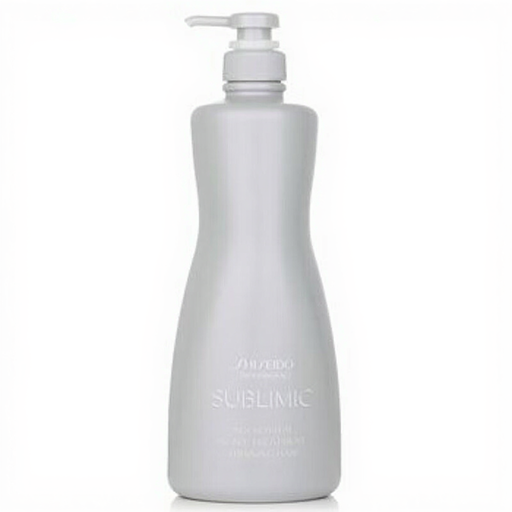
Why it suits this profile: The large 1000-gram pack is suitable for adults who want to build a consistent scalp and hair-care routine for thinning hair.
The product description specifies the type, area of use and application steps. Apply it to the scalp and hair after washing, then rinse it out.
Contains adenosine, glycerine, arginine and sodium hyaluronate, among other ingredients; the product information lists hydration and strengthening as its aims.
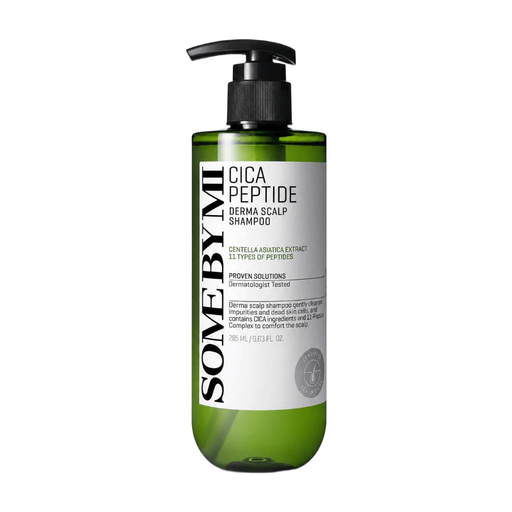
Why it suits this profile: This shampoo is suitable for anyone looking for a cleansing scalp routine and who values ingredients such as peptides, panthenol, biotin and centella asiatica.
The shampoo is rinsed out, so it is not a leave-in product. The product information also lists salicylic acid and menthol; if you have a sensitive scalp, it is sensible to check the ingredients beforehand and introduce it gradually.
285 ml contents, peptide complexes, plant proteins and an application method where the product is rinsed out after massaging it in.
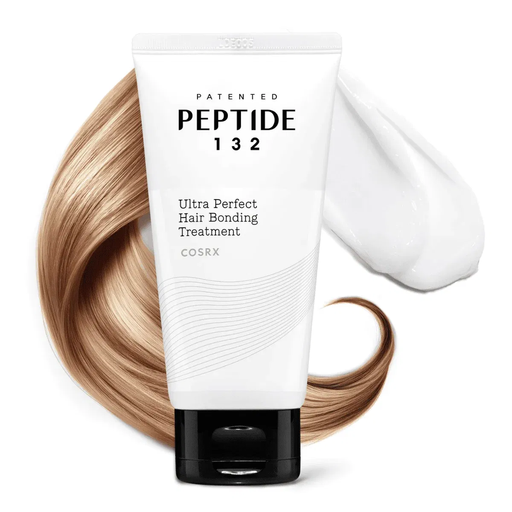
Why it suits this profile: A logical choice for dry, brittle or chemically treated hair where fuller-looking hair is mainly desired through less breakage and improved smoothness.
It is intended for the mid-lengths and ends, rather than making claims about hair follicles. This makes it suitable for caring for hair affected by breakage, but not automatically for every form of hair loss.
120 ml treatment with peptide-132, glycerine, ceramides, oils and hyaluronic acid; rinse out after use.
We have put together a complete, up-to-date list of products that fully meet these strict selection criteria and the applicable European safety regulations.
Start with one main concern. If you have a dry scalp, gentle cleansing combined with a suitable scalp treatment may make more sense than using several serums at once. For brittle hair, the focus should be more on conditioner, a mask and careful use of heat. For fine hair, a lightweight lotion or serum can help avoid weighing it down.
Introduce new products one at a time. This makes it easier to identify which product causes irritation and which one works well for you. When taking supplements, keep track of your total intake so that you do not inadvertently take the same vitamins from several products. Stick to the recommended daily dose.
With cosmetic hair care, expect changes mainly in shine, softness, ease of combing and fuller-looking hair. Assess a routine only after using it regularly for long enough according to the label, but stop sooner if your scalp reacts.
A shampoo cleanses the scalp and can contribute to a well-maintained hair environment. As the product is rinsed out, contact time is limited. Claims about reduced hair loss or hair growth should be understood as brand claims. Choose a shampoo based on your scalp type and check ingredients such as fragrance, menthol or salicylic acid.
That depends on the contents, dosage and frequency of use. A 50 ml serum may last longer when you treat only the scalp, while a leave-in product for the full length of the hair will run out more quickly. Check the recommended amount and the period after opening on the packaging.
Not always. Supplements may contain nutrients such as biotin, zinc or selenium, but they are not a general solution for hair loss. Check the daily dose, allergens and possible interactions with medication. If symptoms persist or appear suddenly, consulting a healthcare professional is more sensible than combining several supplements.
