
Vandaag of morgen in huis

Kwaliteit gegarandeerd

Welkomstaanbiedingen ontgrendelen: GRATIS bezorging | Tot 80% korting | Gratis 30 dagen JoyPlus-proefperiode
Download de app
Thinning hair, hair breakage and dandruff do not automatically require the same shampoo. Anyone searching for shampoo for hair loss and dandruff will often see products making big promises about fuller hair, reduced hair loss or a healthy scalp. In practice, it is simpler: shampoo mainly cleanses the scalp and hair. It can help keep the scalp and hair in good condition and reduce breakage, but it is not a universal solution for medical causes of hair loss.
The right choice therefore starts not with an attention-grabbing claim, but with the ingredients, usage instructions and your scalp type.
Hair found in the shower drain may have come from the root, but it may also have broken off due to dryness, heat or chemical treatments. An anti-hair-loss shampoo usually focuses on the scalp and hair care. So do not expect a guaranteed solution for hereditary or sudden hair loss.
According to a brand’s own research or test results, certain products may report improved hair retention or reduced breakage. Such results often apply to a specific period of use, particular individuals or a complete product routine. Always check the small print.
An oily scalp needs different care from a dry, tight-feeling scalp. A cleansing anti-dandruff shampoo containing piroctone olamine may suit visible dandruff and itching that, according to the product description, is associated with dandruff. For a dry scalp, a formula containing glycerine, ceramides or other conditioning ingredients may feel more comfortable.
Also pay attention to fragrances, menthol and sulphates. These ingredients are not automatically unsuitable, but they may be less appropriate for a sensitive scalp.
Caffeine shampoo, ginseng shampoo and peptide shampoo often appear in search results. However, the ingredient alone says little about the overall performance. Look at the full ingredients list, bottle size and recommended frequency of use.
A large bottle offers better value per millilitre, but is less convenient if the formula does not suit your scalp. A smaller bottle is practical for trying a product first.
For dandruff, ingredients such as piroctone olamine are relevant in the product description. For dryness, ceramides, glycerine and panthenol may be worth considering. Peptides, hydrolysed proteins and film-forming conditioning ingredients are among those used for fine or fragile hair.
A shampoo for thinning hair or shampoo for fine hair can make hair look temporarily fuller through cleansing and added volume. This visual effect does not automatically mean that new hair growth is occurring.
Compare 250 ml, 385 ml, 400 ml, 500 ml and 800 ml by price per 100 ml. Also check whether the shampoo is intended for daily use or, for example, two to three times a week.
Always follow the label. Avoid contact with the eyes and rinse thoroughly. If you experience persistent, severe itching, sores, flaking or sudden hair loss, it is advisable to seek advice from a GP or pharmacist. Cosmetic shampoo is not a substitute for medical assessment.
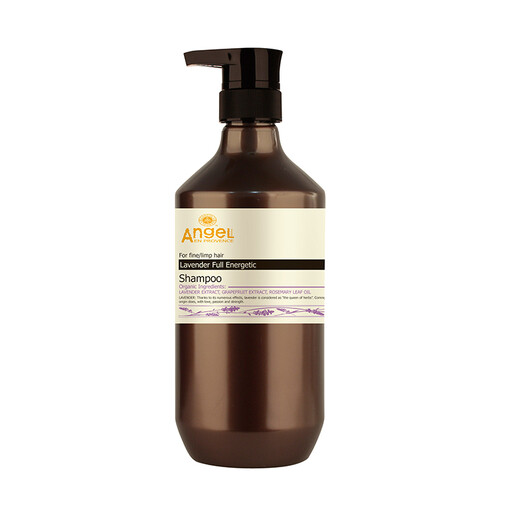
Why it suits this profile: The 800 ml size is practical for people who wash their hair regularly and want a larger bottle. The product description mentions lavender and rosemary extracts, with use recommended two to three times a week.
The usage instructions are clear and the product information provides the essential details, so you do not have to rely solely on a general anti-hair-loss claim.
800 ml; lavender and rosemary extracts according to the product description; designed for fine or thinning hair.
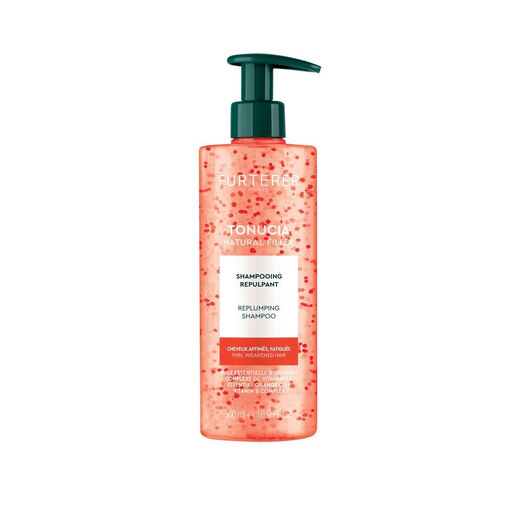
Why it suits this profile: The formula is designed for fine, lifeless and thinning hair and can, according to the description, be used daily. The ingredients list includes tamarind seed extract, panthenol and hydrolysed wheat protein.
The product is chosen for its conditioning properties and volumising feel, not as a guaranteed treatment for hair loss. The manufacturer also states that ingredients may change.
500 ml; suitable for frequent use according to the product information; contains several conditioning ingredients.
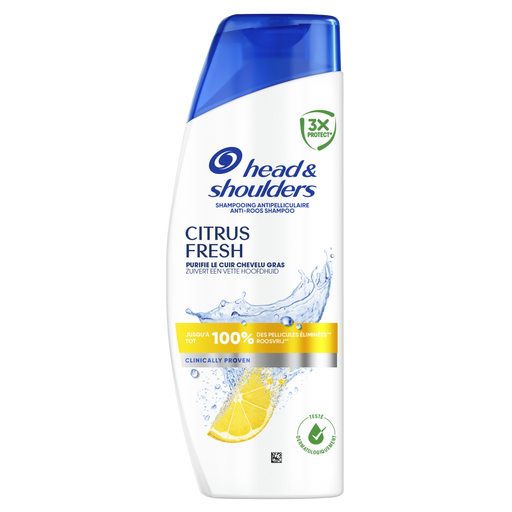
Why it suits this profile: This option is aimed at dandruff, dandruff-related itching and excess sebum. That makes it suitable for people with an oily scalp and greasy hair who want to wash their hair regularly.
The product description identifies the three intended scalp concerns separately. According to the brand’s own research, the results are linked to regular use.
250 ml; contains piroctone olamine according to the ingredients list; intended for daily use according to the product information.
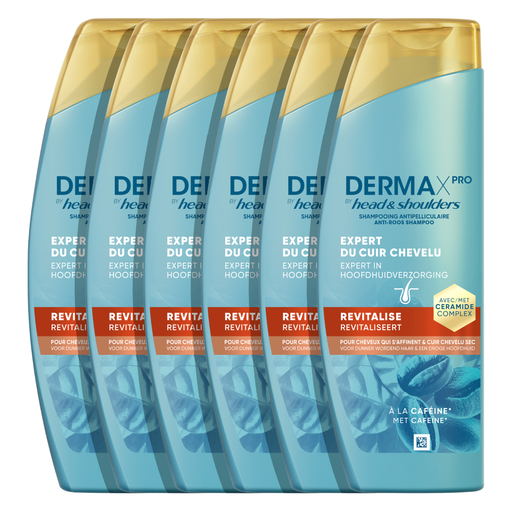
Why it suits this profile: According to the ingredients list, the formula contains piroctone olamine, caffeine and a ceramide complex. This suits users who want to combine dandruff care with conditioning for a dry scalp.
The product information distinguishes between visible dandruff, dryness and hair breakage. According to the brand’s own research, the stated hair-retention results depend on regular use.
250 ml; contains ceramides, caffeine and piroctone olamine according to the product information; intended for thinning hair and a dry scalp.
We have put together a complete, up-to-date list of products that fully meet these strict selection criteria and the applicable European safety requirements.
Apply shampoo to a thoroughly wet scalp and massage gently with your fingertips. Do not automatically use more product: a small amount is usually enough. Leave anti-dandruff shampoo on for only as long as stated on the packaging, then rinse carefully.
If you have fine hair, use conditioner only on the lengths if necessary. This helps prevent the scalp from feeling weighed down. Do not combine shampoo for an oily scalp with several strong cleansing products without good reason; this can leave the hair dry or coarse.
Shampoo can cleanse the scalp and help limit breakage caused by poor hair condition. Hereditary or sudden hair loss often has a different cause. If hair loss persists, speaking to a GP is more sensible than continually buying a different shampoo.
This depends on the label and the formula. Some products are suitable for daily use, while others are recommended two to three times a week. Give a product sufficient time according to the instructions, but stop using it if irritation occurs.
An 800 ml bottle may offer better value per millilitre than a 250 ml bottle. This only applies when the shampoo suits your hair and scalp. So compare the price per 100 ml and check the recommended frequency of use.
