
Vandaag of morgen in huis

Kwaliteit gegarandeerd

Welkomstaanbiedingen ontgrendelen: GRATIS bezorging | Tot 80% korting | Gratis 30 dagen JoyPlus-proefperiode
Download de app
Dyeing grey hair seems straightforward – until the colour turns out too dark, the regrowth remains visible, or your scalp feels irritated. Marketing terms like “natural”, “nourishing” and “long-lasting” don’t always tell you enough about how a product actually performs. When you buy hair dye for grey hair, it pays to look first at coverage, colour type, ingredients and ease of use.
A natural hair dye may contain plant-based extracts or pigments, but that doesn’t rule out an allergic reaction. Always check the full ingredients list and follow the warnings on the packaging. Doing a patch test beforehand is still wise, especially if you have a sensitive scalp.
Hair dye without ammonia can be a good choice if you want to avoid the smell or certain ingredients. However, the result also depends on the colour type. A demi-permanent hair dye can blend grey hairs or refresh an existing colour, while a permanent hair dye is usually chosen for a longer-lasting colour result. Always check the coverage stated on the product; don’t rely solely on the “ammonia-free” claim.
The outcome varies depending on your natural hair colour, previous colour treatments, the amount of grey hair and your hair’s porosity. Black, for example, can contrast harshly with light regrowth. Brown shades, such as natural chestnut brown or dark brown, often give a softer transition. If in doubt, do a strand test on a small section of hair first.
First, decide what you want to achieve:
Also check the shade code. A number like 3 or 4N refers to a colour range, but the naming varies by brand. So look at the colour chart and take your current hair colour into account.
If you’re looking for hair dye for a sensitive scalp, you can look for an ammonia-free formula, a fragrance-free formula or nourishing ingredients. These are product features, not a guarantee that irritation won’t occur. According to the product information, BRAIN COSMOS Rishiri Kombu, for example, is ammonia-free and contains seaweed extract, keratin and hyaluronic acid. The manufacturer describes this as a nourishing formula; check for yourself whether the ingredients suit you.
With a natural hair dye, it’s important to distinguish between “plant-based ingredients” and a fully plant-based colouring process. Les 3 Chênes Color & Soin 4N states, according to the product information, 95% plant-based ingredients and a colour result that lasts up to 28 washes. For the exact development time and mixing ratio, follow the packaging.
A kit for hair dye for home use often includes developer lotion, gloves and conditioner. With professional hair dye, a separate developer may be needed. Kemon Cramer, for example, is supplied as a colour cream that requires a suitable developer. This means you need to check the mixing ratio, concentration and required amount before you buy.
Always wear gloves, protect your clothing and stick to the development time. Don’t extend it yourself. Rinse the colour out thoroughly and stop immediately if you feel a burning sensation, redness or any other irritation. Do not use dye on damaged or irritated skin.
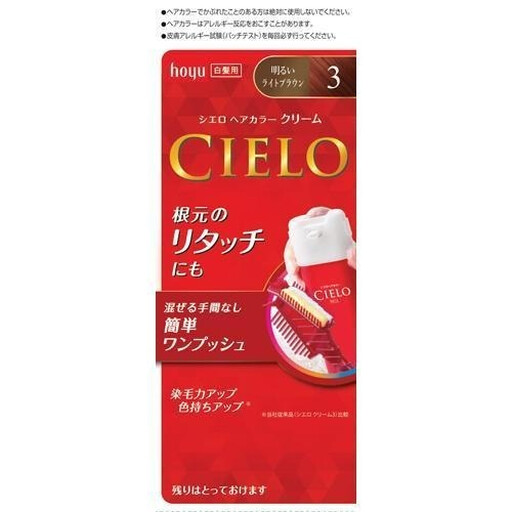
Why this fits the profile: This set is designed for home use and includes colour, developer, gloves and conditioner. That means you need to buy fewer separate products.
The composition and usage steps are described as a complete kit. The colour is a bright brown, making it less dependent on a complicated mixing choice.
Ammonia-free formula according to the product information; 25–30 minute development time; kit includes developer and conditioner.
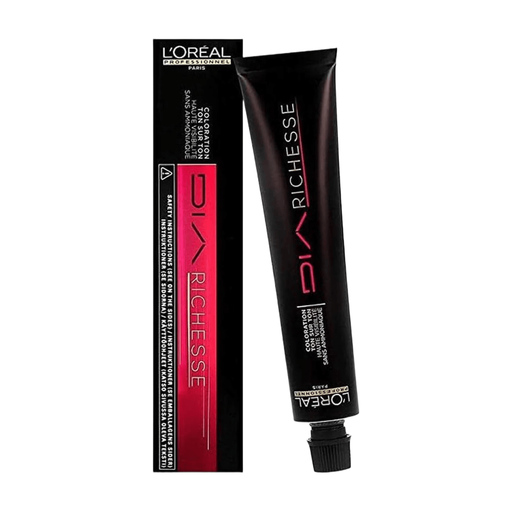
Why this fits the profile: This professional demi-permanent hair dye in deep dark brown is suitable for colour refreshing, blending grey and use in the salon or at home.
The product information explicitly states the colour type and coverage of up to 70% of grey hair. This makes the expectation clearer than just the term “natural result”.
Demi-permanent; ammonia-free according to the product information; 50 ml; suitable for all hair types.
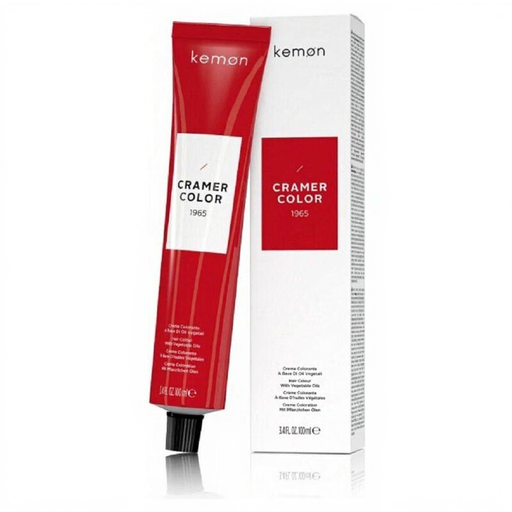
Why this fits the profile: This professional hair dye is intended for users who work with a separate developer and a controlled mixing ratio.
The product page states that a developer is needed. So you won’t buy an incomplete home kit without knowing this beforehand.
100 ml colour cream; professional application; coconut oil listed as a key ingredient.
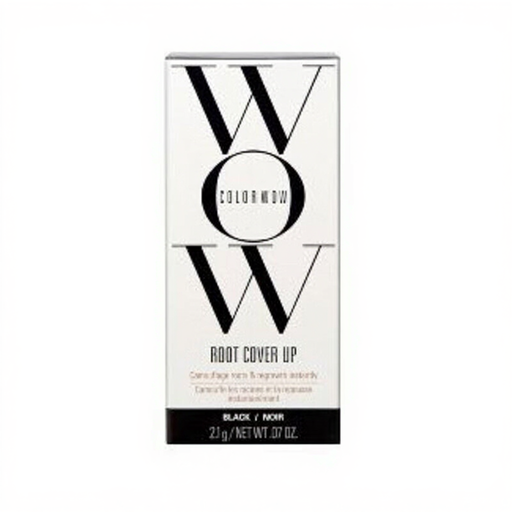
Why this fits the profile: The powder is designed for temporary camouflage of black or grey regrowth, for example between two full colour treatments.
You don’t need to re-colour all your hair just for a small visible regrowth. According to the description, the product washes out with shampoo.
Powder with double-sided brush; 0% hydrogen peroxide according to the specification; designed for regrowth.
We’ve put together a full, up-to-date list of products that fully meet these strict selection criteria and comply with current European safety regulations.
That depends on the percentage of grey hair, the thickness of your hair and the chosen colour. Permanent hair dye is often aimed at long-lasting coverage, while demi-permanent hair dye can mainly blend grey. Always check the specific coverage information for the product.
Many people touch up the regrowth as soon as the colour difference becomes visible. The speed depends on your hair growth and the contrast between your natural colour and the dye. A temporary root powder can be practical in between, while a permanent formula is designed for a longer-lasting result.
Ammonia-free hair dye can be an alternative for people who want to avoid ammonia, but it’s not a guarantee of a reaction-free treatment. Check the ingredients, do a patch test and don’t use the product on irritated or damaged skin.
