
Vandaag of morgen in huis

Kwaliteit gegarandeerd

Welkomstaanbiedingen ontgrendelen: GRATIS bezorging | Tot 80% korting | Gratis 30 dagen JoyPlus-proefperiode
Download de app
A conditioner can make dry hair softer, reduce tangles and make combing easier. However, not every hair conditioner is suitable for every head of hair. A rich formula can weigh down fine hair, while a lightweight conditioner may not provide enough care for damaged hair.
Pay attention to marketing claims, too. Words such as “repairing”, “strengthening” and “intensive” do not say much on their own. Focus mainly on the ingredients used, size, application and suitability for your hair concern.
Keratin, hyaluronic acid, oils and plant extracts sound appealing, but the ingredient alone does not determine how a conditioner feels. The full formulation is important. A keratin conditioner may, for example, feel pleasant on brittle hair, but a heavy formula can leave fine hair looking limp.
Claims about stronger hair, less breakage or long-lasting colour protection usually depend on the formula, how it is used and the condition of the hair. When a brand mentions a measurable result, present it as a brand claim. For example, Syoss states according to Syoss’s own research that its Intense Keratin formula provides up to 20 times more resilience compared with untreated hair. This is not a universal guarantee for every user.
A rinse-out conditioner is usually intended for the lengths and ends, not routinely for the scalp. If you have fine hair, applying it there can make your hair feel heavy or greasy more quickly. A leave-in conditioner stays in the hair and therefore requires only a small amount. Always check the instructions on the packaging.
A creamy, rich conditioner is often practical for thick, dry or coarse hair. Fine hair usually benefits from a lighter formula applied from the middle of the lengths downwards. Also check the application time: some conditioners are rinsed out after one to three minutes, while a hair mask is intended for less frequent use.
A moisturising conditioner is not the same as a mask. The Shiseido Fino Premium Touch, for example, is a 230 ml hair mask which, according to the product information, is used once or twice a week instead of an ordinary conditioner.
A 200 or 250 ml bottle is useful for trying a product first. A 440 ml pack or multipack may offer better value if you use it regularly, but check the shelf life and the period after opening. This information is shown on the packaging and may vary from product to product.
Read the ingredients list if you are sensitive to fragrance, oils, silicones or certain preservatives. Manufacturers may change ingredients lists, so use the packaging as the most up-to-date source. Stop using the product if irritation occurs. Avoid contact with the eyes and rinse immediately with water if contact occurs.
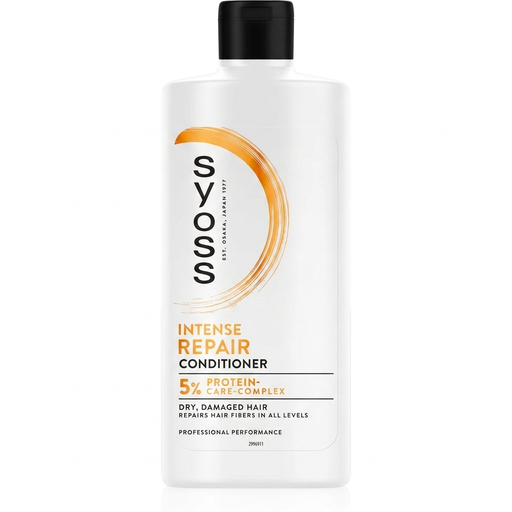
Why it suits this profile: The 440 ml pack is practical for regular use. The product information lists damaged hair as a suitable application area and recommends an application time of two to three minutes.
The application and target group are clearly stated. Do not expect guaranteed repair; focus on how your hair responds and follow the packaging instructions.
440 ml; intended for damaged hair; contains hydrolysed keratin and soya protein according to the product information.
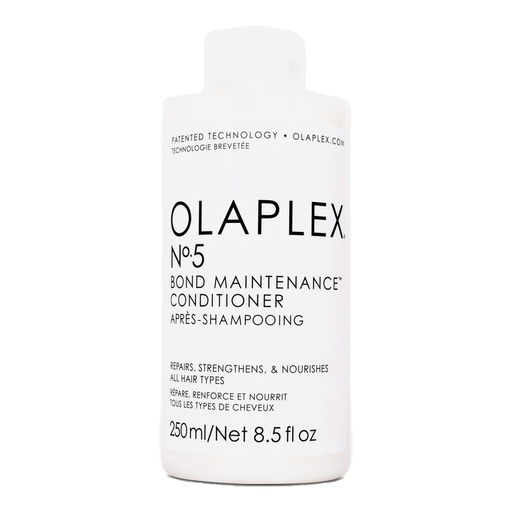
Why it suits this profile: A compact 250 ml bottle for anyone looking for a targeted routine for dry, coloured or chemically treated hair.
The product description states the size, application and suitable hair types. Claims about repair and strengthening remain brand claims.
250 ml; cream texture; suitable for all hair types and, according to the product specifications, also for bleached and coloured hair.
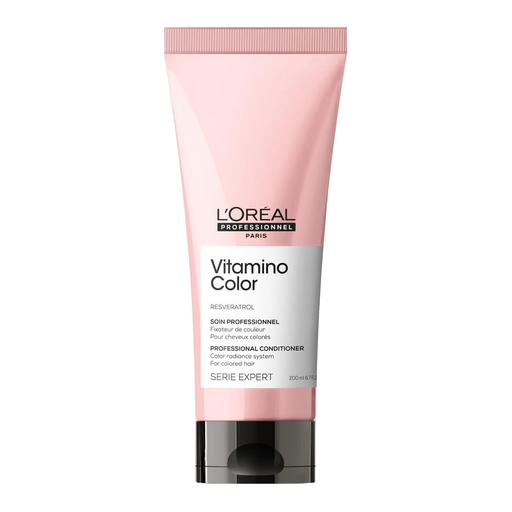
Why it suits this profile: Designed for coloured hair and easy to incorporate into a routine with a short application time of one to two minutes.
The formula is not positioned as a general-purpose product, but specifically for coloured hair. The stated colour protection is an L'Oréal claim, not a guaranteed outcome.
200 ml; pump dispenser; according to the product specifications, paraben-free, sulphate-free, silicone-free and pH-neutral.
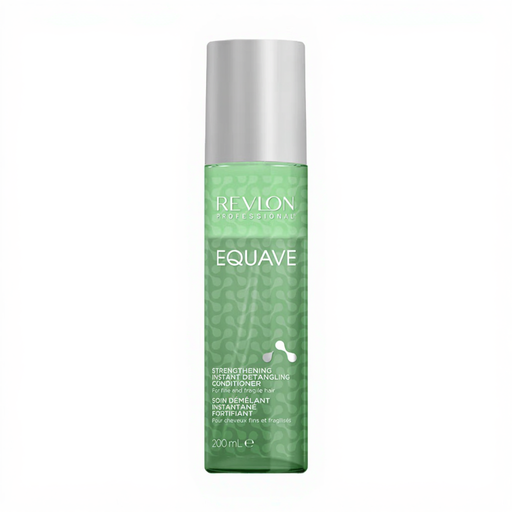
Why it suits this profile: A leave-in conditioner for anyone who wants to detangle hair quickly after washing, without an additional rinsing step.
The leave-in application is clearly stated. Use a small amount and apply it only to the lengths and ends to minimise any heavy feeling.
200 ml; leave-in conditioner; intended to moisturise, detangle and improve combability.
We have put together a complete, up-to-date list of products that fully meet these strict selection criteria and the applicable European safety regulations.
Rinse your shampoo out thoroughly before applying conditioner. Squeeze excess water from your hair, distribute the conditioner through the lengths and ends, and leave it on for the time stated on the packaging. Rinse thoroughly with lukewarm water.
If you have fine hair, start with a small amount. Thicker, curly or very dry hair may benefit from a richer conditioner. You can alternate an ordinary conditioner with a mask if you wish, but avoid combining several heavy products at once without checking how your hair feels.
With most washes, especially if your hair is dry, long, coloured or difficult to comb. Fine hair may benefit from using less product or applying it only to the ends. Follow the instructions for the product you have chosen.
That depends on the formula. An ordinary conditioner is generally intended for the lengths and ends. Products specifically developed for the scalp and hair will state different application instructions. Therefore, check the label and stop using the product if irritation occurs.
Look for the symbol and information on the packaging, such as 6M or 12M. Keep the bottle closed and store it somewhere cool and dry, away from direct sunlight. If the smell, colour or texture changes noticeably, stop using the product.
