
Vandaag of morgen in huis

Kwaliteit gegarandeerd

Welkomstaanbiedingen ontgrendelen: GRATIS bezorging | Tot 80% korting | Gratis 30 dagen JoyPlus-proefperiode
Download de app
A hair conditioner should do more than smell lovely. It needs to suit your hair type, washing routine and the results you expect. If you focus only on words such as “repair”, “intensive care” or “natural”, you could end up with limp hair, greasy roots or a product that barely helps with detangling.
This guide helps you compare conditioners based on verifiable information, including ingredients, size, directions for use and application.
A purple conditioner for blonde hair contains colour pigments which, according to the product description, can help to visually neutralise warm or yellow tones. That does not automatically make a toning conditioner suitable for every wash. Overuse can cause the colour to turn out differently than expected, particularly on porous or lightly bleached hair.
Use a conditioner for yellow tones according to the label and pay attention to the recommended processing time. For example, Dancoly Lavender Purple Toning Conditioner recommends leaving the product on for 3 to 5 minutes and applying it mainly to the lengths and ends.
A conditioner can make hair feel smoother, softer and easier to comb. That does not mean that damaged hair fibres are permanently repaired. Repair claims often come from the brand’s product communications. Garnier, for example, states that the Loving Blends Chamomile & Floral Honey conditioner helps to repair damaged hair fibres; according to the product description, this is based on an instrumental test after using shampoo and conditioner.
So assess the formula as well. Conditioning agents, oils, glycerine, proteins and silicones each serve a different purpose. Also consider whether you need a nourishing conditioner or a lightweight formula.
A large bottle may seem better value, but it is not always practical. A conditioner for daily use may be too heavy for fine hair, while a small tube can be inconvenient if you have thick or long hair. Check the size, dispensing system and frequency of use before buying.
Start by choosing based on your main concern:
A silicone-free conditioner may be appealing if you want your hair to feel lighter or more natural. Garnier Mild Oat, Garnier Coconut Milk & Macadamia, Garnier Argan & Camellia and Andrélon Mild & Soft are listed as silicone-free in the supplied product information. Check the ingredients list on the packaging, as formulas can change.
Silicones are not necessarily undesirable. They can make hair feel smoother and easier to comb. However, a rich formula can weigh fine hair down more quickly. For dry hair, oils and conditioning ingredients may be particularly beneficial.
Also pay attention to fragrance and plant extracts if you are prone to reactions. “Natural” does not automatically mean that a product is suitable for every scalp. According to the product description, Weleda Rosemary is offered with a NATRUE label and natural ingredients, but still check the label if you are sensitive to certain ingredients.
The products in this selection range from 150 ml to 1,000 ml. A smaller pack is useful for trying a product first, while a larger size can be worthwhile for regular use. For example, Olaplex No.5P has a size of 1,000 ml, while Dancoly Lavender Purple is also available in an 800 ml pack.
The general order of use is simple:
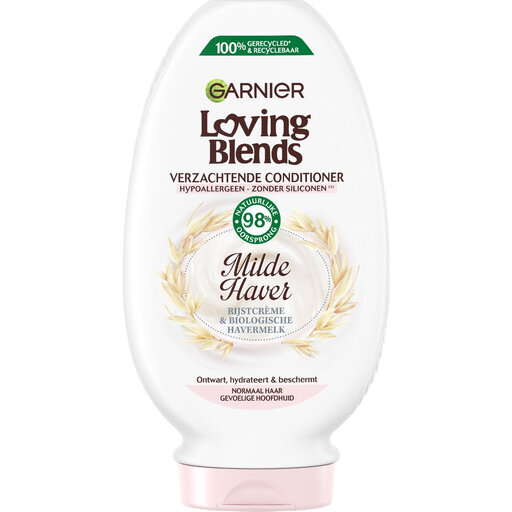
Why it suits this profile: An accessible choice for normal hair and a sensitive scalp, with a convenient 250 ml size and a silicone-free formula.
The product information clearly states that it is suitable for a sensitive scalp, makes a hypoallergenic claim and contains no silicones. If you have sensitivities, always check the full label.
250 ml; 97% ingredients of natural origin according to the product description; silicone-free; designed to detangle, moisturise and soften.
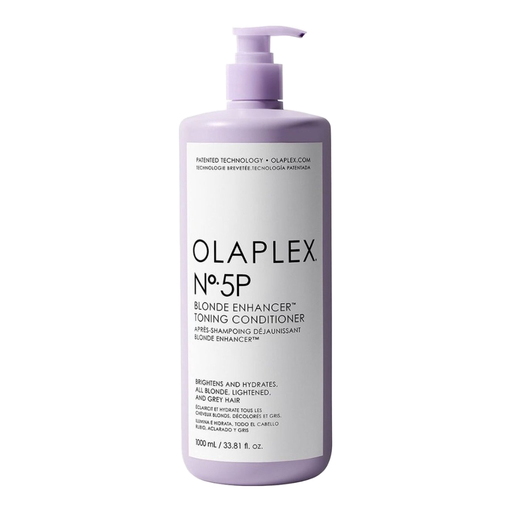
Why it suits this profile: Suitable for anyone looking for a large size and a toning conditioner for blonde or grey hair.
The colour-correcting effect is linked to micro-fine pigments in the product description. The recommended processing time is around three minutes, so daily use is not necessarily required.
1,000 ml; contains purple pigments; according to the product information, free from parabens, sulphates and phosphates.
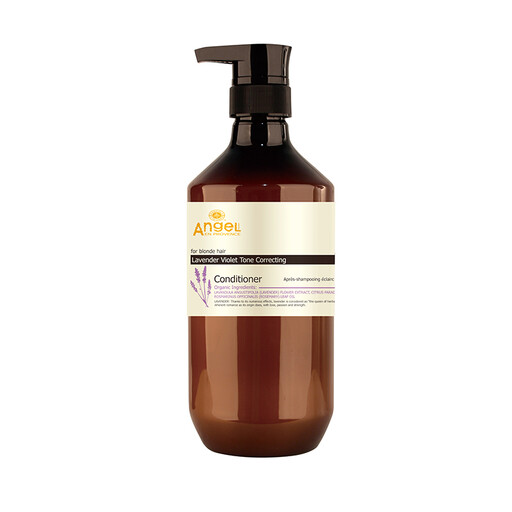
Why it suits this profile: Useful for people who regularly maintain blonde hair and want a large size to use alongside a purple shampoo.
The product information recommends adjusting the frequency of use to suit your hair’s needs. This helps prevent pigment care from becoming a fixed daily step.
800 ml; purple toning ingredients; designed to help neutralise unwanted yellow tones; pack for regular use.
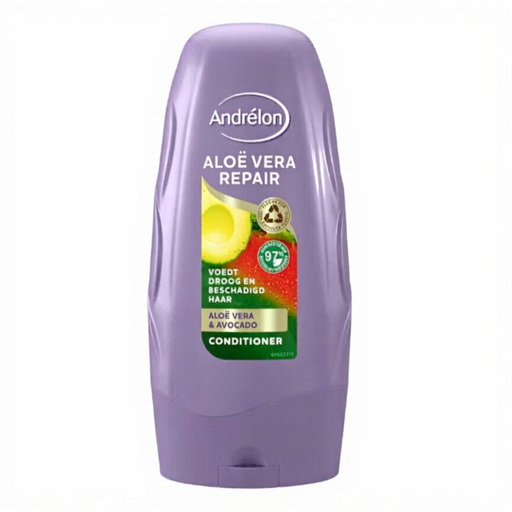
Why it suits this profile: A practical conditioner for anyone looking after dry or damaged hair and wanting to make it easier to comb after washing.
The ingredients list includes dimethicone, oils, glycerine and aloe vera. This provides more information than the general “repair” claim alone.
250 ml; aloe vera, avocado oil and jojoba oil according to the product description; variant for dry hair; one pack.
We have put together a complete, up-to-date list of products that fully meet these strict selection criteria and the applicable European safety regulations.
A standard conditioner for daily use can be applied after every wash if your hair responds well to it. For fine hair, two to three times a week may be enough. A purple or toning conditioner is usually used less often and according to the label. Look out for changes in colour, dryness or a heavy feeling.
Check the packaging for the open-jar symbol, such as “12M”. This indicates the number of months the product can be used after opening. The shelf life may vary from one product to another. For some products, Garnier states that the complete information is provided on the packaging. Store conditioner in a cool, dry place and close the bottle or tube securely.
Not always. Compare the price per 100 ml and consider how much you need for each wash. A rich formula may require less product for thick hair, while a lightweight conditioner for daily use may be used more frequently. The right choice therefore depends on size, dosage, hair type and frequency of use.
