
Vandaag of morgen in huis

Kwaliteit gegarandeerd

Welkomstaanbiedingen ontgrendelen: GRATIS bezorging | Tot 80% korting | Gratis 30 dagen JoyPlus-proefperiode
Download de app
A hair conditioner can help make lengths easier to detangle, lock in moisture and leave your hair feeling softer. However, an expensive bottle doesn't guarantee the formula will suit your hair. A lightweight conditioner for fine hair, for example, may not provide enough care for dry ends, while a rich conditioner can make fine hair feel limp.
This guide will help you assess marketing claims and choose a product based on your hair type, how you use it, the ingredients and the quantity.
Words like "restorative", "strengthening" and "intensely hydrating" sound clear, but on their own they don't tell you much. So check the concrete product information:
Claims about performance come from the brand or seller. Based on a brand's own research, certain results can be reported, but your hair structure, routine and the amount you use will all affect your experience.
A rich conditioner with lots of oils and film-forming ingredients can be pleasant for dry or thick hair. With fine hair, however, the same formula can make your hair feel heavy more quickly. So apply conditioner mainly to the lengths and ends, not automatically to the scalp.
If you're mainly looking for more body, consider a volume conditioner with a light texture. Also pay attention to the recommended leave-in time, and don't automatically use more product for a stronger effect.
A large bottle may seem good value, but that depends on the dosage. A concentrated conditioner in a smaller package can last longer than a thin formula in a large bottle. So compare both the quantity and the usage advice.
Also check the expiry information on the packaging. Products with a pump dispenser can be practical for daily use, while a tube is handy for travel.
Start with the main problem you want to address:
Ingredients give you direction, but they don't predict the same result for everyone. Oils such as argan, avocado, jojoba or kukui oil are often used for a softer feel and more shine. According to the product description, proteins can contribute to hair that feels fuller or stronger.
If you have a sensitive reaction, pay attention to perfume and fragrance ingredients. Shiseido Ma Cherie, for example, lists perfume and warns that fragrances can cause an allergic reaction in some users. Stop using it if irritation occurs and follow the safety instructions on the packaging.
A regular conditioner is rinsed out after a few minutes. A leave-in conditioner stays in your hair and is usually applied in a small amount to the lengths. Don't automatically use a leave-in alongside a rich conditioner; too many layers can weigh fine hair down.
With the Milbon Elujuda Graceon Emulsion, for example, the instructions say to use it on towel-dried hair, especially on the ends. The product description mentions baobab oil and a CMADK system. You should see the effect of these as a brand claim, not as a universal guarantee.
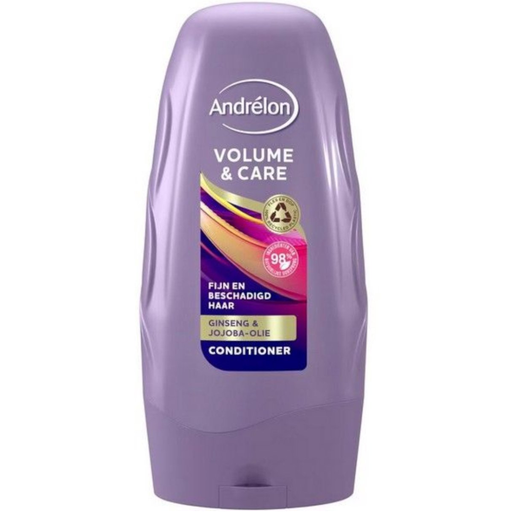
Why this fits the profile: An accessible option for adults with fine and damaged hair who want to combine volume with daily care.
The product information specifies fine and damaged hair, 250 ml content and use on lengths and ends. This makes the purpose clearer than a general volume promise.
Ginseng and jojoba oil according to the product description; vegan claim and a bottle and cap made from 100% recycled and recyclable material.
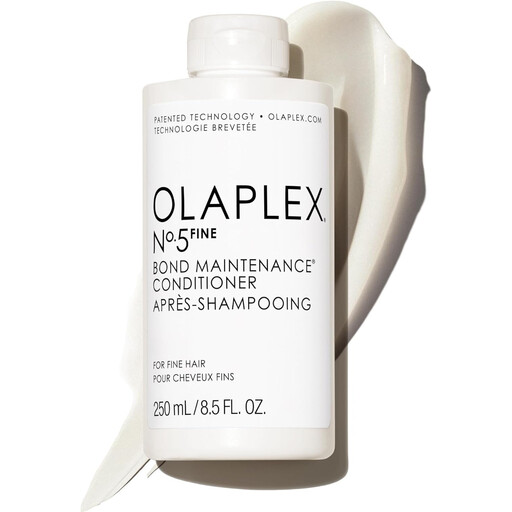
Why this fits the profile: Targeted at fine hair that needs volume, detangling and light hydration.
According to the product information, the formula is intended for fine hair structures and contains a hydra-balancing matrix. The recommended leave-in time is 1 to 3 minutes.
Vegan and suitable for coloured and chemically treated hair according to the product information; available in multiple sizes.
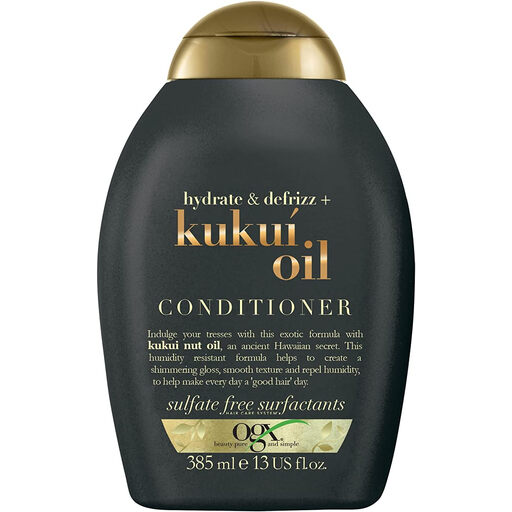
Why this fits the profile: Ideal for those who mainly want to care for dry, thick or frizzy hair and prefer a richer texture.
The product description explicitly mentions dry, thick and frizzy hair. This makes the choice more targeted than a conditioner that only says "for all hair types".
385 ml content; according to the product information, it is SLS-free, paraben-free and sulphate-free. Kukui oil is listed as a key ingredient.
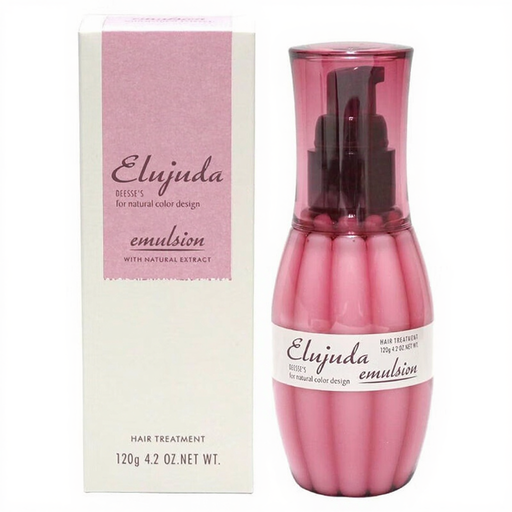
Why this fits the profile: A leave-in-style emulsion for dry and fine hair when you want to apply care to the ends without a rinse-out step.
The usage advice specifies towel-dried hair and application to the ends. This prevents a nourishing product from unnecessarily reaching the roots.
120 g content; baobab oil and keratin-derived ingredients are listed in the product information; intended for dry, fine hair.
We've put together a full, up-to-date list of products that fully meet these strict selection criteria and comply with current European safety regulations.
After washing, first squeeze some of the excess water from your hair. Distribute the conditioner over the lengths and ends and follow the indicated leave-in time. Rinse thoroughly, unless it is clearly a leave-in conditioner.
With fine hair, a small amount is usually a sensible starting point. Dry or thick hair may need more product, but build up the amount gradually. Don't combine several nourishing products at once; this way you can better see which formula suits you.
That depends on your washing routine and hair type. With dry, curly or damaged hair, conditioner after every wash can be pleasant. Fine hair can benefit from a lighter formula and a smaller amount. Always follow the label and adjust the frequency based on how heavy or dry your hair feels.
Yes, but choose a product that is explicitly intended for fine hair or volume. Apply it to the lengths and ends and avoid the scalp if your hair quickly goes flat. A volume conditioner or light formula is usually more practical than a very rich deep conditioner.
A regular conditioner is rinsed out after a few minutes. A leave-in conditioner stays in your hair and is applied in a limited amount. Check the usage advice, because a rinse-out product and a leave-in are not automatically interchangeable.
