
Livraison le jour même et le lendemain

Qualité garantie

Débloquez vos offres de bienvenue: Livraison GRATUITE | Jusqu'à -80 % | 30 jours d'essai gratuits à JoyPlus
Téléchargez l'application
A hair conditioner can help make your hair easier to detangle, softer to the touch and more manageable. However, not every conditioner is suitable for every hair type. A rich formula can weigh fine hair down, while a lightweight conditioner may not be enough for dry or damaged hair.
The right choice, therefore, doesn't start with a flashy promise on the packaging, but with your hair type, how you use it and the ingredients list.
Words like "repair", "intense" or "gloss" don't automatically mean a product is right for your hair. Always check what the conditioner is intended for according to the product description. A conditioner for coloured hair, for example, focuses on colour retention, while a conditioner for dry hair may contain more nourishing and softening ingredients.
Claims about performance are brand claims. For instance, Syoss mentions specific results on some products based on its own research. Treat this information as product information, not as a guarantee for every hair type.
A regular conditioner is applied after washing and then rinsed out. A leave-in conditioner stays in the hair. This difference is important: you usually use a leave-in product in small amounts on the lengths and ends. Too much product can make hair feel heavy or greasy.
A silicone-free conditioner can suit those who want a light feel on the hair or prefer to avoid certain ingredients. However, silicones aren't automatically undesirable: they can make hair feel smoother and help with detangling. So look at the whole product, your own preference and the current ingredients list on the packaging.
Start with a simple choice:
Check how long the product needs to be left in. Some conditioners can be rinsed out immediately, while others need two to five minutes. For leave-in products, it will state that rinsing is not necessary.
Generally, apply a rinse-out conditioner to wet hair, from the mid-lengths to the ends. The roots usually need less product. Always follow the instructions on the packaging, especially with concentrated formulas.
Don't just compare the price of a bottle, but also the volume. A 440 or 450 ml bottle can be more economical for regular use, while 150 to 250 ml is more practical for travel or to try out first.
Also check:
Ingredients lists can change. So use the packaging as your up-to-date source.
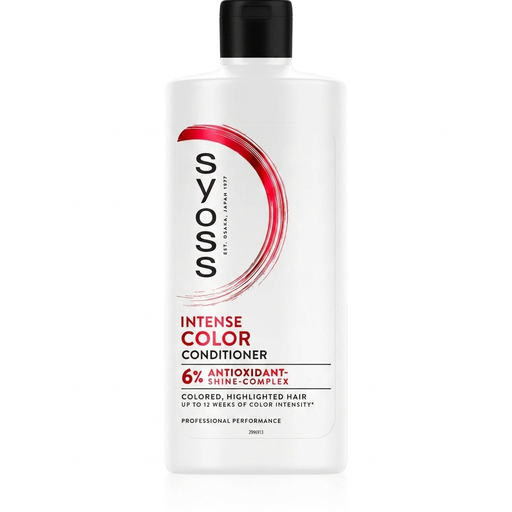
Why this fits the profile: The large bottle is practical for regular use, and the product description specifically targets coloured hair.
You're not choosing based on the name alone: the variant, 440 ml volume and application for coloured hair are clearly stated.
440 ml volume; glycerine, hydrolysed keratin and silicones are listed in the ingredients.
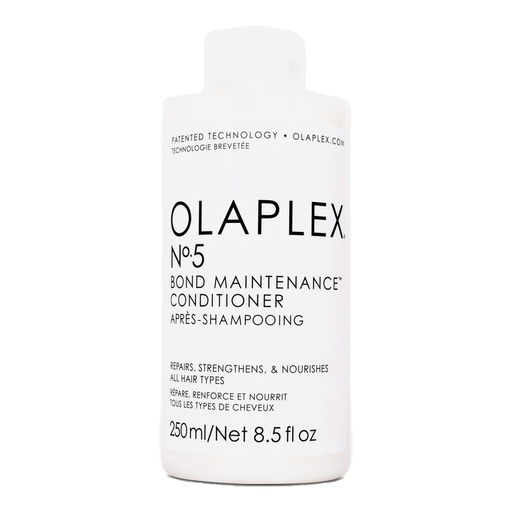
Why this fits the profile: This Olaplex conditioner is designed for all hair types and is also recommended for bleached and coloured hair.
The product information mentions specific uses and a 250 ml volume, so you can weigh your choice against your usage.
Cream formula; according to the product details, it's vegan, paraben-free, sulphate-free and suitable for coloured hair.
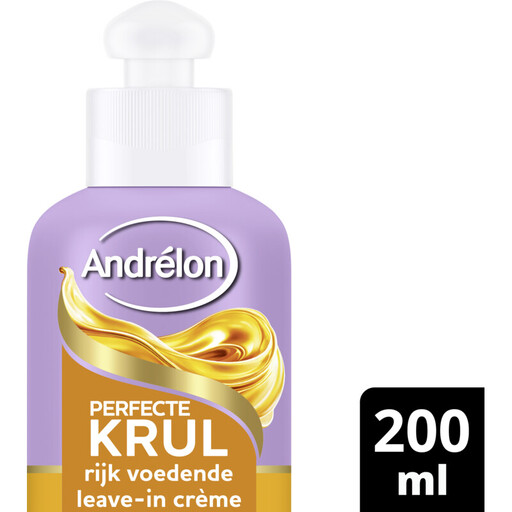
Why this fits the profile: This leave-in conditioner is made for curls and can be applied daily to dry or damp hair without rinsing.
The method of use is clearly different from a rinse-out conditioner: distribute through the lengths and do not rinse out.
200 ml; silicone-free formula with coconut milk and hydrolysed wheat protein according to the ingredients list.
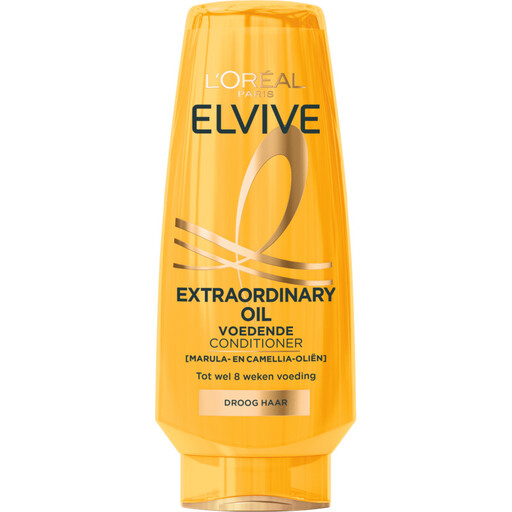
Why this fits the profile: The product description mentions dry and coarse hair as the target audience and lists oil extracts in the formula.
The choice is based on the stated hair type, not just a general shine claim.
200 ml; according to the listed ingredients, it contains coconut oil, glycerine and various seed oils.
We've put together a full, up-to-date list of products that fully meet these strict selection criteria and comply with current European safety regulations.
If you have sensitive skin or a known allergy, use the full ingredients list as a check. Avoid contact with the eyes and stop using if irritation occurs.
That depends on your hair texture and washing routine. Dry, curly or treated hair may need conditioning with every wash. With fine hair, using less product or using it less often may be preferable. Apply conditioner mainly to the mid-lengths and ends.
A conditioner is usually intended for regular use with a short leave-in time. A hair mask often has a richer formula and is left on for longer. Always check the instructions for the specific product; the terms are used differently by different brands.
Check the shelf-life information on the packaging. After opening, this is often indicated with, for example, 12M. Store the bottle closed, in a cool, dry place away from direct sunlight. Has the smell, colour or texture changed? Then don't use the product anymore.
