
Short-hair maintainer
Wants to maintain a consistent length all over and reach the back of their head while cutting. Choosing the right comb and working on dry hair are in line with advice from Philips Netherlands.


Choose your clippers based on what you want to trim: the right attachment combs help you maintain a consistent short length, while control at shorter settings matters for your neck and sideburns. A cordless model gives you room to move around your head, but needs charging; a corded model needs a power socket. Also check how to clean and maintain the blades for each model.
Wants to maintain a consistent length all over and reach the back of their head while cutting. Choosing the right comb and working on dry hair are in line with advice from Philips Netherlands.
Mostly trims the neck and sideburns, so precise control at short settings is more useful than lots of long attachment combs. Philips Netherlands advises caution when trimming without a comb.
Cuts their hair at a dressing table with a power socket nearby and doesn’t want to rely on a charged battery. A corded model such as the Remington HC5035 is one option to compare.
First decide whether you mainly want to maintain a consistent short length, tidy up your edges or move around your head as you cut. Then compare the relevant combs, power options and care instructions.
| What to consider | What to look for | Who should pay extra attention? |
|---|---|---|
| Maintaining a consistent length | Check the length you get with the comb attached, whether the setting locks into place and which combs are included with that version. | If I want to keep my short hair roughly the same length all over, I need a suitable comb and a setting I can select again. Around 33% of consumers are mainly looking for a repeatable length. |
| Trimming the edges | Check the shortest setting, whether you can use it without a comb and whether you can see the back of your head properly in a mirror. | When trimming my neck and sideburns, I want to take my time: a very short setting leaves little room to correct a mistake. Around 25% of consumers prioritise control when trimming their edges. |
| Freedom of movement | Compare cordless use and the stated battery life with access to a power socket and the cord’s reach. | If I’m cutting my own hair, I want to be able to move the clippers and mirror without a cord getting in the way. Around 25% of consumers give freedom of movement their highest priority. |
| Power and maintenance | Read the cleaning instructions for the specific model and check whether the blades need oiling; keep electrical connections dry as directed in the manual. | I want to be able to use the clippers easily at my usual cutting spot and know how to clean them after use. Around 17% of consumers consider power and maintenance the most important factors. |
Without a comb, the blade cuts every hair it touches. If you cut too short, there’s little length left to trim further.
Start with a longer attachment comb and only go shorter once you’re comfortable with the length and your technique.
Cleaning instructions vary by model and don’t automatically apply to the handle, plug or charger.
Follow the instructions for your specific model and unplug it before cleaning if the manual says to do so.
A corded model needs an accessible power socket and a practical route for the cord; a cordless model needs to be charged.
Think about whether you’ll mainly cut your hair sitting at a dressing table or need to move around your head.
Philips offers clippers designed for home use, such as the HC5630/15, with adjustable comb settings.
The E812E is a rechargeable clipper designed for home use, with separate combs and a taper lever.
The HC5035 ColourCut is a corded clipper with separate, colour-coded attachment combs.
The ER-GP50 is designed for adjustable short lengths and precise control around the edges.
The products below are designed for cutting short hair at home. The selection includes cordless models for trimming and a corded set for use in one fixed spot.
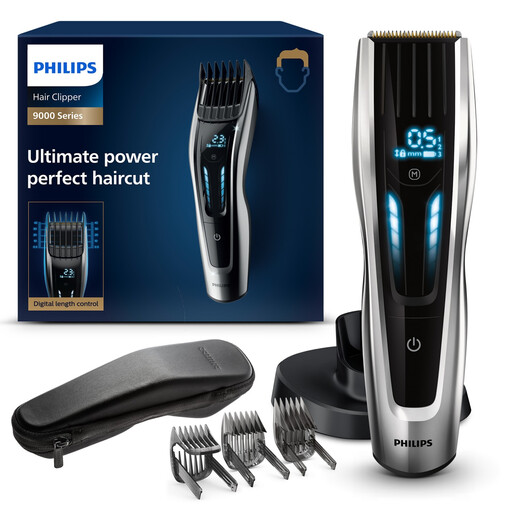 No image available
Worth comparing if you’re looking for adjustable clippers for your head hair and want to move around your head without a cord.
According to the product description, the blades need to be oiled regularly; don’t immerse the handle in water.
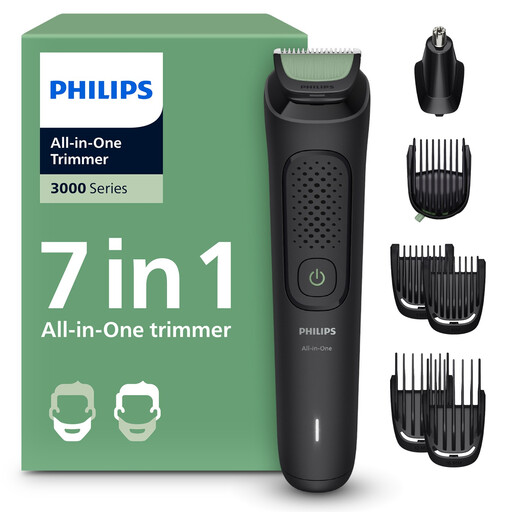 No image available
A good option if you want to use one set for your head hair and other grooming tasks; check which attachments you’ll need first.
According to the product description, the handle, charger and charging cable must not be immersed in water.
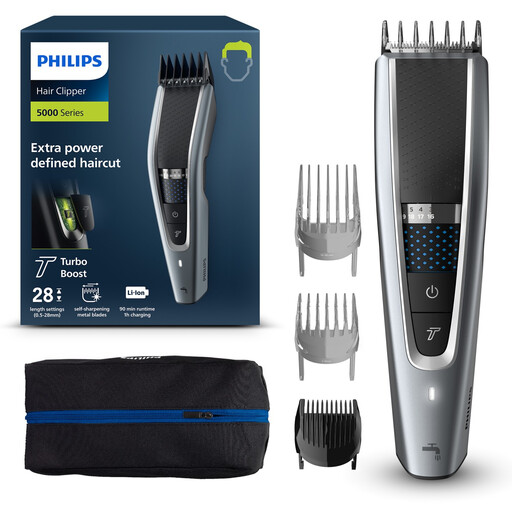 No image available
One option to compare if you want to maintain short head hair without a cord and use a consistent comb setting.
Philips lists comb settings of 3–28 mm and a 0.5 mm setting without a comb for this model. According to the product description, only the clipper head and comb can be rinsed; don’t immerse the handle in water.
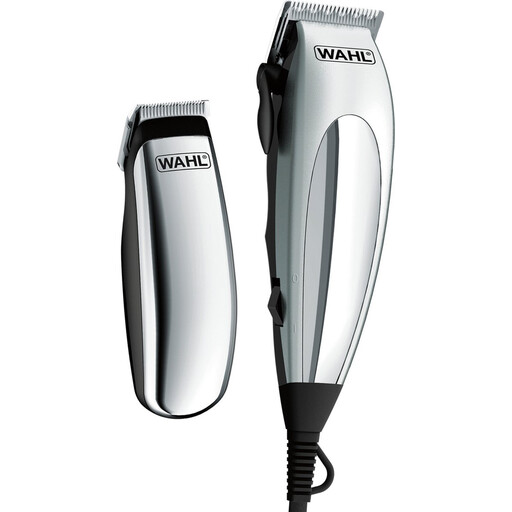 No image available
Worth comparing if you cut your hair in one fixed spot near a power socket and want a set with attachment combs.
According to the product description, the blades need to be maintained with the oil supplied.
 No image available
A set to consider if you want to cut your hair at home and combine it with other grooming tasks.
According to the product description, the casing and charging base must not be immersed in water; charging requires a certified 5V USB adapter.
Philips recommends cutting completely dry hair with its clippers, as wet hair can stick to your skin and be missed by the appliance. Start with a longer setting and gradually go shorter if needed; follow the manufacturer’s instructions for other brands.
Use a mirror to see the area and work with controlled movements. Philips advises extra care when using its clippers without a comb, as the blade cuts every hair it touches.
It depends on the model. Philips says the HC5630/15 is washable and its self-sharpening blades don’t need oiling; BaByliss, on the other hand, supplies oil and a cleaning brush with the E812E. Follow the instructions for the version you buy, and don’t treat electrical connections as parts that can be rinsed.
According to the Dutch government, you’re entitled to a product that works properly, and the seller must provide a solution if something is wrong; there’s no fixed statutory warranty period that applies to all products in the Netherlands. For online purchases from a business, you generally have a statutory 14-day cooling-off period after delivery. ACM ConsuWijzer lists opened hygiene products, such as shavers, as a possible exception; check the seller’s applicable information before opening the packaging.