
Vandaag of morgen in huis

Kwaliteit gegarandeerd

Welkomstaanbiedingen ontgrendelen: GRATIS bezorging | Tot 80% korting | Gratis 30 dagen JoyPlus-proefperiode
Download de app
Dry hair, split ends, frizzy locks or a sensitive scalp: finding the right hair care may seem simple, but product claims can make comparisons difficult. For example, a shampoo may be described as “repairing”, even though it mainly makes the surface of the hair feel smoother. Hair oil that adds shine does not automatically repair damaged hair fibres either.
With this guide, you can compare shampoo and conditioner, a hair mask, hair oil and leave-in hair care based on properties you can actually check. This helps you avoid paying too much for a product that does not suit your hair structure or how you intend to use it.
Words such as “repair”, “hair growth” and “anti-frizz” sound clear, but they do not always mean the same thing. A brand’s own research may show that certain results can be measured under specific conditions. That does not mean every user will experience the same effect.
A conditioner can temporarily make hair softer and easier to comb. That is not the same as permanently repairing split ends. Extra caution is needed with a hair-loss serum or a hair-growth treatment: cosmetics are not a substitute for medical advice. If you experience sudden or severe hair loss, it is wiser to contact your GP.
“Natural hair care” does not automatically mean that a formula is suitable for every scalp. Essential oils and fragrances, for example, may not be suitable for people who are sensitive to them. Conversely, silicones are not necessarily unsuitable: they can help temporarily reduce friction, tangles and frizz.
Professional hair products are not always necessary for everyday use either. Consider the concentration, frequency of use and size. A 1000 ml salon-size bottle is practical for regular use, but less convenient if you want to try the formula first to see whether it suits you.
Fine hair can be weighed down by a rich oil or intensive mask. Thick, curly or heavily damaged hair often needs more conditioning ingredients instead. Coloured or chemically treated hair also requires attention to colour protection, heat and mechanical stress.
Check the INCI list on the packaging or product page. Do not focus on just one popular ingredient; consider the full formula.
A claim such as “sulphate-free”, “vegan” or “paraben-free” tells you something about one specific property, but not automatically about the product’s overall performance.
Shampoo mainly cleanses the scalp and hair. Conditioner is usually applied to the lengths and ends. A hair mask is generally richer and can be used once or twice a week instead of conditioner. Leave-in products remain in the hair, so they should be used sparingly.
For anti-frizz hair products, the instructions are important. A product that claims to protect against humidity may, according to the product description, be intended as a styling step rather than a replacement for conditioner. Always follow the instructions on the packaging.
Compare the price per 100 ml or 100 grams. A 200 ml bottle may appear cheaper, but a concentrated conditioner may require less product per wash. Also check:
Under European cosmetics regulations, relevant safety and product information must be available on the packaging. If in doubt, check the current product page and labelling.
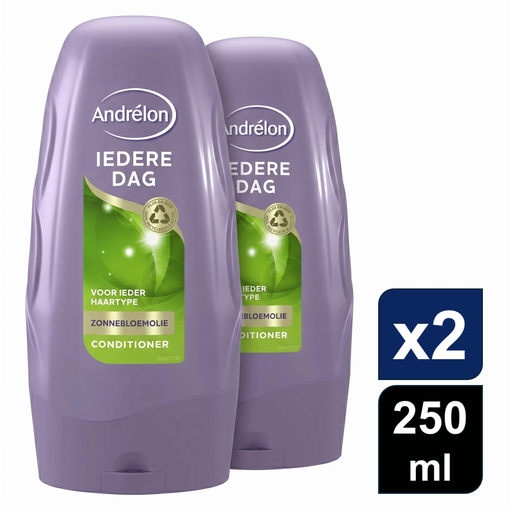
Why it suits this profile: A practical 2-pack for anyone looking for a straightforward conditioner for everyday use. The product description mentions sunflower oil and a formula that is designed not to weigh hair down.
The size and application are clearly described, so you do not have to pay for a complicated multi-step routine.
2-pack, 250 ml per bottle, suitable for all hair types according to the product information and intended for everyday use.
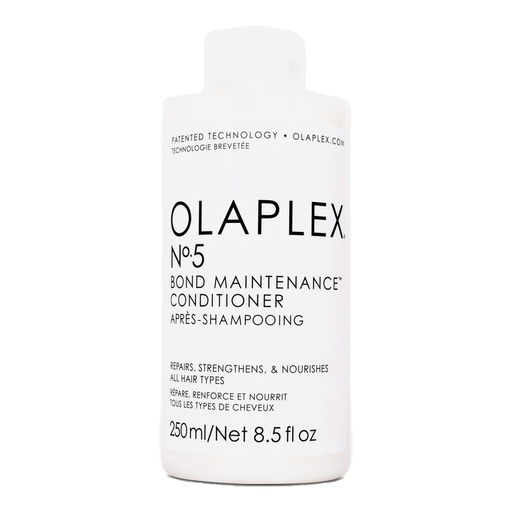
Why it suits this profile: This conditioner is designed to hydrate and condition, including coloured and bleached hair. Its size is convenient for home use.
The product details explicitly state that it is vegan, sulphate-free, paraben-free and suitable for coloured hair. Check the current packaging for the complete ingredients list.
250 ml, cream formula, suitable for all hair types and intended to hydrate and condition.
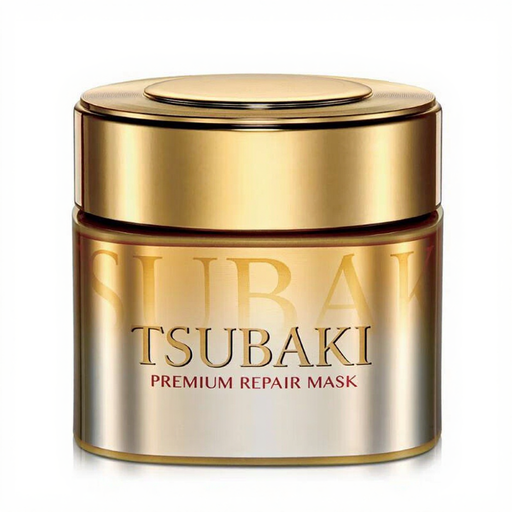
Why it suits this profile: A Japanese hair mask for dry, damaged, coloured or chemically treated hair. The instructions recommend using it after washing, with extra attention paid to damaged areas.
The recommended frequency is clear: once or twice a week. This means you do not unnecessarily replace your daily conditioner with a rich mask.
180 g, sulphate-free according to the product details and formulated to hydrate and condition while reducing frizz.
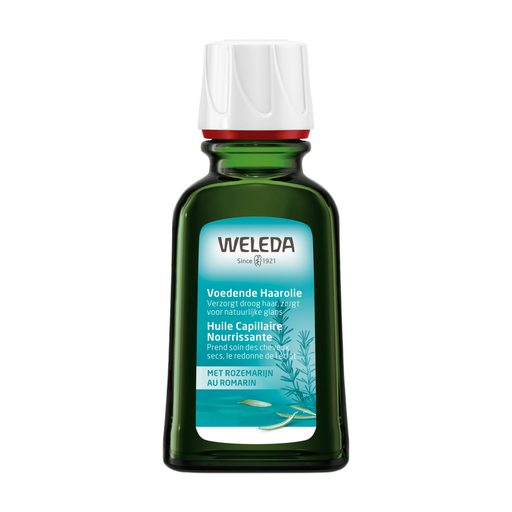
Why it suits this profile: For anyone looking for an oil with rosemary and lavender fragrance for dry ends or a pre-wash conditioning routine.
The product description mentions the NATRUE label and use on the hair or scalp. This makes its positioning clearer than a general claim such as “pure”.
50 ml, designed for dry and damaged hair and suitable for an oil treatment or scalp massage.
We have put together a complete, up-to-date list of products that fully meet these strict selection criteria and the applicable European safety regulations.
Start with a shampoo that suits your scalp and washing frequency. Then apply conditioner to the lengths and ends. Add a hair mask once a week if your hair feels dry or damaged. Use hair oil or leave-in hair care in small amounts on the ends, especially after washing or styling.
This depends on the size, dosage and frequency of use. A 200 to 250 ml conditioner will generally run out sooner with daily use than a 440 or 1000 ml bottle. Always check the symbol showing the period after opening and follow the storage and usage instructions on the packaging.
The cost mainly depends on the number of products. A basic routine with shampoo and conditioner is cheaper than a combination including a mask, oil and serum. So compare the price per 100 ml and only buy an additional product when it has a specific purpose, such as extra hydration, protection against frizz or conditioning damaged ends.
