
Vandaag of morgen in huis

Kwaliteit gegarandeerd

Welkomstaanbiedingen ontgrendelen: GRATIS bezorging | Tot 80% korting | Gratis 30 dagen JoyPlus-proefperiode
Download de app
Dry hair, frizz, lack of volume or curls that quickly lose their shape: finding the right product may seem straightforward, but there is a huge range to choose from. Marketing terms such as “repair”, “anti-frizz” and “strong hold” mean little on their own. When choosing hair care and styling products, your hair type, how often you use the product, and its ingredients or technical specifications are the most important factors.
In this buying guide, you’ll find out what to look for in shampoo, conditioner, hair masks, hair oil, styling products and electrical tools. You’ll then find recommendations for different uses.
“Repair” does not automatically mean that a cosmetic hair product will structurally repair damaged hair. It often simply provides a temporarily smoother, softer or more manageable feel. That’s why you should read the full product description and ingredients list.
For example, a hair mask containing glycerine, oils, silicones or conditioning agents may help create a smoother feel, but its effect varies depending on your hair structure. Treat brand claims as product information, not a guarantee. A brand’s own research may report certain results, but always check whether the underlying test method and conditions are clearly explained.
A rich hair mask or hair oil can feel pleasant on dry and damaged hair, but using too much can weigh fine hair down. Conditioner, hair masks and oil should generally be applied to the lengths and ends. Your scalp often does not need an additional layer of care unless the product is specifically designed for it.
A hairdryer, straighteners or heated brush can be useful, but temperature and instructions for use are more important than wattage alone. A tool that gets too hot or does not offer suitable settings is less suitable for fine, coloured or damaged hair. Hairspray and hair gel also require consideration of ingredients, ventilation and fire safety.
Start by choosing one main purpose:
Also check for allergens and fragrance. For example, Andrelon Everyday Shampoo lists fragrance components such as linalool and limonene. If you are sensitive to particular ingredients, it is a good idea to check the packaging.
A 400 or 440 ml bottle is practical for regular use. A 180 to 230 gram jar of hair mask is particularly suitable if you use the product once or twice a week. A small 50 ml can of hairspray is handy for a handbag or travel, but contains less product for daily use.
Follow the instructions for use. A hair mask is generally applied after washing and then rinsed out. Hair oil should be used in small quantities on towel-dried or dry hair. Styling gel is usually left in and should be distributed evenly through the lengths.
For a hairdryer, power, heat and speed settings, weight and safety features are important points to consider. The ochama Ultra-Light Hair Dryer has a stated power rating of 1600–1800 W, weighs approximately 480 grams and operates at 220–240 V. The supplied concentrator nozzle is designed for more targeted styling.
For a heated brush, check the temperature settings and the plug. The Wavytalk Thermal Brush has five temperature settings from 150 to 215 °C. According to the product description, the lower settings are intended for fine or damaged hair. The product information also specifies a UK plug, so check before buying whether you need an adapter.
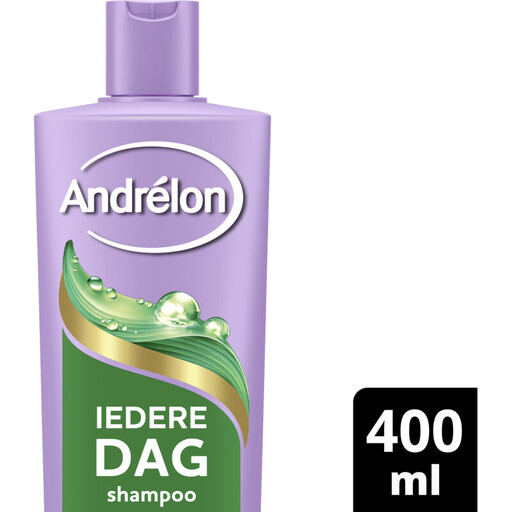
Why it suits this profile: A straightforward shampoo for adults who want to wash their hair regularly without building an extensive routine. The product description mentions sunflower oil and suitability for all hair types.
The choice is based on the intended use and the 400 ml size, rather than a general claim about repair or styling.
400 ml size; designed for daily cleansing; vegan and paraben-free according to the product information.
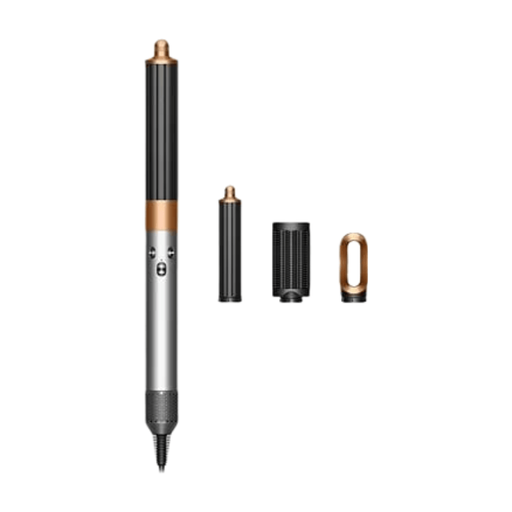
Why it suits this profile: For users who want one tool for blow-drying, smoothing and curling. The device has three heat settings, three speed settings, a cold shot and three attachments.
The temperature, speed and attachments are clearly specified. This makes comparison easier than relying solely on a promise about the styling results.
1300 W; 0,58 kg; 220–240 V; two-year warranty according to the product information.
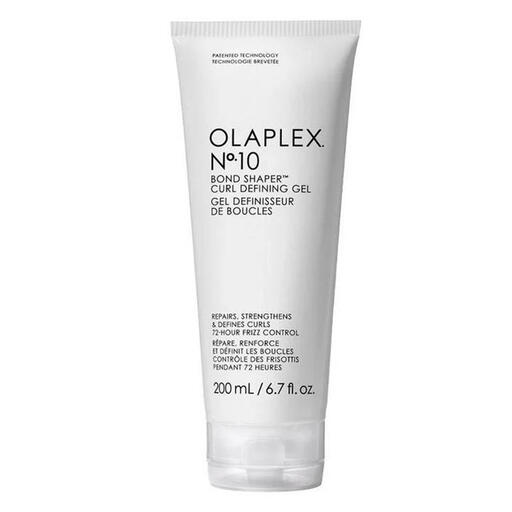
Why it suits this profile: For adults with curly hair who want definition, hold and less frizz. According to the instructions, apply the gel to clean, towel-dried hair and do not rinse it out.
The product information mentions a strong hold and moisture-resistant formula. Even so, use a small amount to prevent hair from feeling stiff or weighed down.
200 ml size; designed to define curls; suitable for use with a diffuser or air-drying.
We’ve put together a complete, up-to-date list of products that fully meet these strict selection criteria and the applicable European safety regulations.
This depends on your hair structure and the product. For dry, coloured or damaged hair, it is often used once or twice a week. If your hair feels heavy or limp, you can temporarily replace the mask with conditioner.
Use the lowest temperature that is sufficient, keep the airflow moving and never block the air inlet of a hairdryer. Use a heated brush on dry, detangled hair. Allow a hot appliance to cool down completely after use, and only then put it away.
Check the expiry date and the period-after-opening symbol on the packaging. Many products display “12M”, for example, meaning twelve months after opening. Has the smell, colour or texture changed? It is best not to use the product any more.
