
Vandaag of morgen in huis

Kwaliteit gegarandeerd

Welkomstaanbiedingen ontgrendelen: GRATIS bezorging | Tot 80% korting | Gratis 30 dagen JoyPlus-proefperiode
Download de app
Dry hair, frizzy ends, limp curls or a flaky scalp don’t automatically call for more products. The right hair care starts with identifying your hair concern and checking the product information. A hair mask, for example, can add softness, while a bond repair treatment targets the hair fibre. A conditioner, on the other hand, mainly smooths and detangles.
Terms like “repair”, “bond repair” and “anti-frizz” sound clear, but how they work varies by formula and hair type. A brand’s claims are not a universal guarantee. According to Olaplex’s own research, No.0 is said to deliver “68% more repair” and three times stronger hair; treat this as a brand claim rather than a fixed result for every user.
So pay attention to the instructions for use, ingredients and application. A product that needs to be applied to the scalp is different from a treatment for the mid-lengths and ends.
A rich hair mask isn’t always suitable for daily use. On fine or thin hair, a heavy formula can leave it feeling flat. On curls, too much product can reduce definition. Use a mask once or twice a week as a general rule, unless the packaging states otherwise.
For hair care for dry hair, a good conditioner is also important. You use that more often and for a shorter time than a hair treatment. A leave-in treatment stays in the hair and is handy for detangling, caring for curls or anti-frizz hair care.
The scalp has different needs from damaged ends. A serum for dryness or dandruff is intended for the scalp, whereas a bond repair treatment is usually applied to the mid-lengths and ends. Olaplex No.0, for example, explicitly states that the product should not be used on the scalp.
If you have persistent itching, redness or flaking, cosmetic scalp care is not a substitute for medical advice. Stop if irritation occurs and consult a doctor or pharmacist if symptoms persist.
First, check whether the product is a rinse-off or leave-in treatment. A rinse-off mask is applied after washing and rinsed out after a few minutes. A leave-in product stays in, so it needs to be applied sparingly.
Examples:
Look for a clear match with your situation: coloured hair, curls, dry hair, damaged hair or a sensitive scalp. Also check the recommended frequency. According to the product information, Olaplex No.3 is typically used once a week, with a maximum of a few applications per week for heavily damaged hair.
For curls, a light formula, detangling and heat protection are practical points to consider. Revlon UNIQ ONE ALL IN ONE CURL TREATMENT mentions curl definition, light hold and heat protection among its features. These are product specifications; the final result depends on your hair structure and styling method.
Compare the volume in millilitres or grams and check whether fragrances, alcohol or silicones suit your preferences. Silicones can make hair feel smooth, but they are not necessarily suitable or unsuitable for everyone. Pay particular attention to the combination of formula, hair type and use.
Also check the ingredients list on the packaging, as manufacturers can change formulas. With products containing perfume or active ingredients such as piroctone olamine and salicylic acid, it’s wise to start cautiously. Avoid contact with the eyes and always follow the safety information.
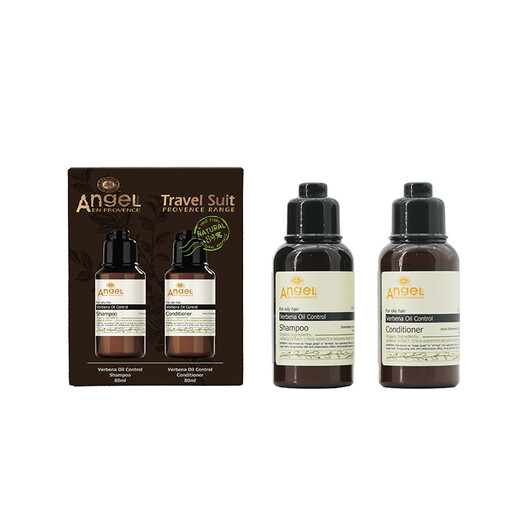
Why this fits the profile: The set contains shampoo and conditioner in 80 ml sizes. That makes it practical for travel, a first routine, or anyone who doesn’t want to buy large bottles straight away.
You can see upfront which two basic steps you’re buying, without having to put together an extensive routine with separate products.
Shampoo and conditioner in one set; compact 80 ml volume per product.
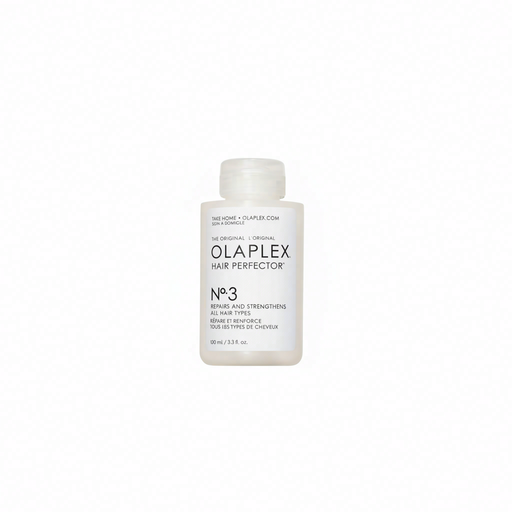
Why this fits the profile: This is a pre-shampoo bond builder for anyone who wants targeted care for coloured, bleached or heat-treated hair.
The application is clearly defined: on damp hair before shampoo, leave on for at least 10 minutes, then rinse out.
Pre-shampoo treatment; 100 ml volume; according to the product information, sulphate- and paraben-free.
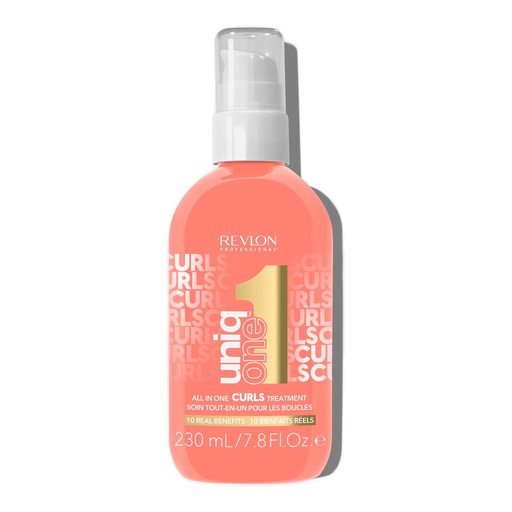
Why this fits the profile: For people with curls who want one leave-in product for detangling, styling and care during busy mornings.
The product description makes it clear that this is a leave-in treatment. So you don’t need to use it as a rinse-off mask.
230 ml volume; use on damp hair; according to the product information, suitable for curl definition, light hold and heat protection.
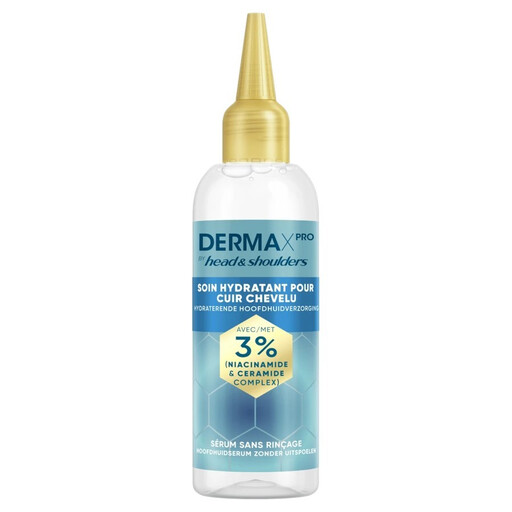
Why this fits the profile: This leave-in balm is intended for use on the scalp and fits into a routine for dry scalp and anti-dandruff care.
The application is clearly different from a hair mask: apply to the scalp and leave in, don’t spread on the lengths like a conditioner.
145 ml volume; leave-in formula; according to the ingredients list, contains niacinamide, piroctone olamine and panthenol.
We’ve put together a full, up-to-date list of products that fully meet these strict selection criteria and comply with current European safety regulations.
For most hair masks, once to twice a week is a practical starting point. Dry or damaged hair may need more care, while fine hair can feel heavy more quickly. Follow the instructions on the packaging and apply the mask mainly to the lengths and ends.
A conditioner usually makes hair smoother and easier to comb through after washing. A bond repair treatment targets the structure of damaged hair and often has a specific processing time or order of use. These products complement each other, but they are not automatically interchangeable.
The shelf life is stated on the packaging, for example as a best-before date or with the symbol for the period after opening. Store products in a cool, dry place, close the packaging properly and watch for changes in smell, colour or texture. Do not use a product if it causes irritation.
